How to defines a micro weather station
A micro weather station, also called a mini weather station, is a small and portable weather monitoring system. It is cost-effective and easy to use. It is made to measure and report the weather in a certain area.
These stations are often easier to use than full-size weather stations. They have fewer features, but they are still useful for checking microclimates. Their light design makes them easy to use. They are great for places where bigger weather stations are too large or too costly.
Components of a Micro Weather Station:
1. **Sensors**:
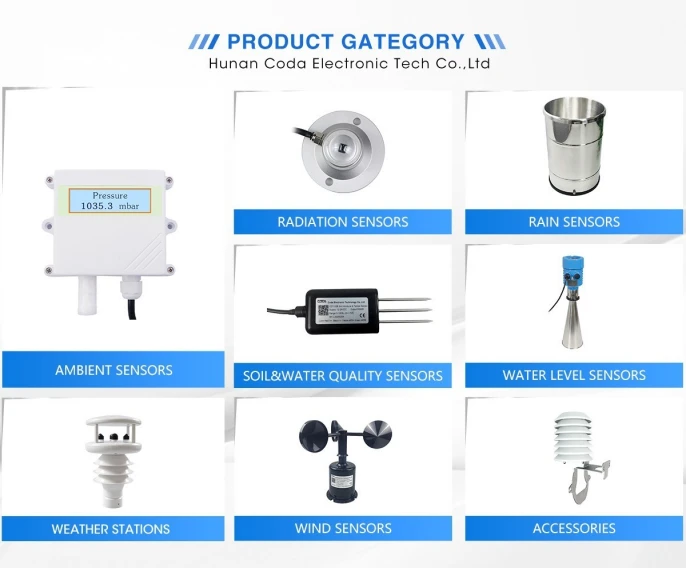
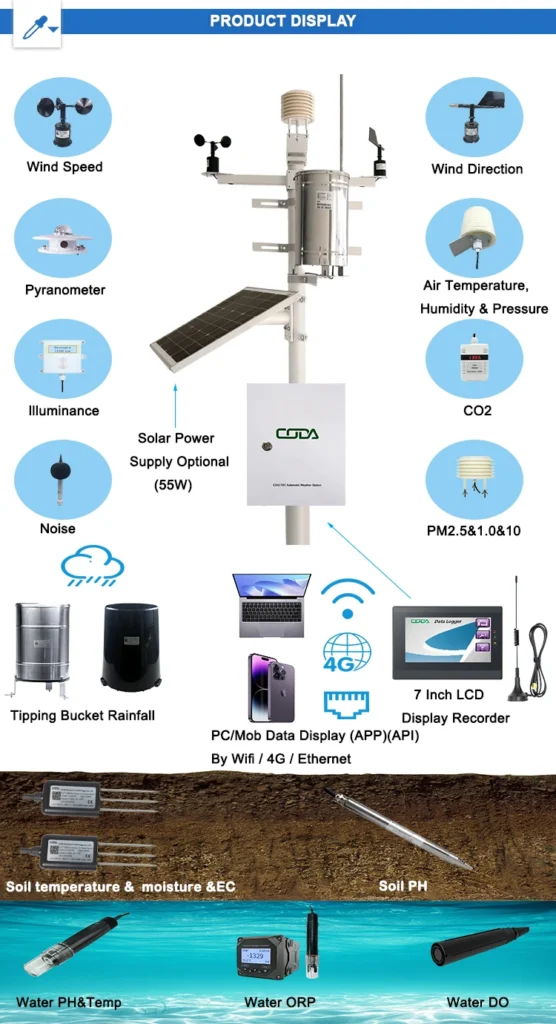
These devices measure important things like temperature, humidity, wind speed, wind direction, air pressure, rainfall, and sunlight. Certain sophisticated models might also include sensors for monitoring air quality, soil moisture, or other environmental weather conditions.
2. **Data Logger**:
It keeps and saves the sensor data. It can handle the long term data and send it to a server or cloud for more analysis.
3. **Power Supply**:
It runs on solar panels or rechargeable batteries. This allows it to work in remote areas without regular power sources.
4. **Communication Module**:
This module allows you to send data without wires. You can use Wi-Fi, cellular networks like 3G, 4G, or 5G, or satellite links.
5. **Data Processing Software**:
This software gathers data and makes detailed reports and statistics. It also offers trend analysis and visual tools, such as charts. These features help users see and understand local weather trends.
Key Characteristics:
1. **Compact Size**:
Easy to carry and simple to set up in different places.
2. **User-Friendly Installation**:
Made for easy and fast setup that doesn’t need technical skills.
3. **Basic Sensor Array**:
The sensors measure simple things like air temperature, humidity, wind speed, and rainfall.
4. **Low Power Consumption**:
Energy-efficient for long use in places without power sources.
5. **Data Transmission**:
Wireless connectivity lets you share data in real-time with smartphones, laptops, or cloud platforms.
6. **Affordability**:
Smaller size and fewer features make them cheaper than regular systems.

Application Scenarios:
1. **Home & Garden**:
Keep an eye on your backyard or garden to help plants stay healthy and plan outdoor activities.
2. **Agriculture**:
Watching microclimates in fields or greenhouses can help farmers. This helps manage crops, water, and pests better.
3. **Education**:
Students get chances to watch the weather and conduct science experiments.
4. **Outdoor Activities**:
Supplying real-time weather updates for hiking, camping, fishing, and similar pursuits.
5. **Urban Planning**:
Keeping track of small climate changes in cities helps us plan and manage the environment better.
6. **Scientific Research**:
Providing accurate, real-time weather data for studies on forecasting and climate change.
7. **Weather Alerts**:
We give early warnings for bad weather. This helps both authorities and residents get ready ahead of time.
8. **General Monitoring**:
This data is used in cities, mountains, oceans, and other places. It helps with city planning, protects the environment, and responds to emergencies.
Micro weather stations play key roles in fields such as agriculture, environmental monitoring, urban management, education, and scientific research. They provide important data that helps with crop management, air quality checks, weather forecasts, and disaster planning. These devices are small and can bend easily. They are useful for checking the weather in different locations.
conclusion
In summary, micro weather stations are helpful and versatile tools. They provide accurate weather data in a portable way. They help users in many areas by giving timely information. This helps them see changes in small climate areas and deal with related problems.