—
Introduction: From Cloudy Skies to Precise Predictions
Have you ever wondered how meteorologists can forecast a thunderstorm a day in advance or how climate scientists track subtle changes in temperature across the globe? The answer lies in a network of silent, tireless observers—automatic meteorological monitoring stations. These compact, data‑driven machines sit on rooftops, in remote valleys, and even on satellite dishes, capturing a symphony of atmospheric variables in real time. In this post, we’ll explore the inner workings of an automatic meteorological monitoring station, why it matters, and how you can leverage its data for everything from agriculture to disaster preparedness.
1. The Anatomy of an Automatic Meteorological Monitoring Station
1.1 Core Components: Sensors, Data Loggers, and Power
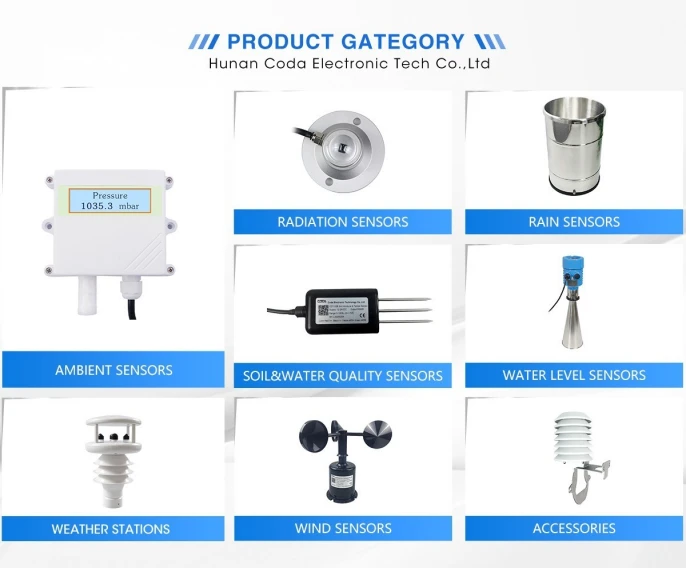
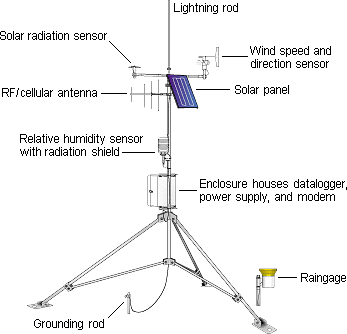
At the heart of every automated weather station is a suite of sensors:
- Temperature probes that measure surface and air temperature.
- Anemometers that record wind speed and direction.
- Barometers that track atmospheric pressure.
- Hygrometers that gauge humidity.
- Rain gauges that quantify precipitation.
- Solar radiation sensors that measure incoming solar energy.
These sensors feed data into a data logger—a rugged microcontroller that timestamps, stores, and often pre‑processes the readings. Modern stations typically use solar panels or backup batteries to maintain 24/7 operation, ensuring no data gaps during power outages.
1.2 Data Transmission: From Field to Cloud
Automatic meteorological stations employ wireless protocols—Wi‑Fi, cellular LTE, LoRaWAN, or satellite uplink—to transmit data to local servers or cloud platforms. Once in the cloud, the data can be accessed via dashboards, APIs, or integrated into larger meteorological models. This instant connectivity is what makes real‑time weather data possible.
1.3 Calibration and Maintenance: Keeping Accuracy High
Sensors drift over time. Routine calibration—often automated through self‑check routines—is essential. Many stations incorporate self‑diagnostics that flag anomalous readings and trigger alerts to technicians. Regular maintenance, such as cleaning rain gauges or checking sensor alignment, keeps the station’s output reliable.
—
2. Why Automation Matters: The Power of Continuous, Real‑Time Data
2.1 Overcoming Human Limitations
Traditional weather observation relied on human observers who recorded data by hand, introducing delays and potential errors. Automation eliminates these bottlenecks, delivering continuous, high‑frequency data (often every minute or even every few seconds). This granularity is crucial for capturing rapid weather changes, such as convective storms or micro‑climate variations.
2.2 Enhancing Weather Forecasting Models
Numerical weather prediction models ingest vast amounts of observational data. The richer the dataset, the more accurate the forecast. Automatic meteorological monitoring stations supply the high‑resolution, real‑time inputs that help refine model outputs, reducing forecast errors by up to 30% in some regions.
2.3 Supporting Climate Science and Research
Long‑term climate studies require consistent, comparable data. Automated stations provide a standardized dataset that scientists use to track trends like rising temperatures, changing precipitation patterns, and shifting wind regimes. This data underpins climate reports and informs policy decisions.
—
3. Practical Applications: Turning Data into Action
3.1 Agriculture: From Planting to Harvest
Farmers can use real‑time weather data to:
- Schedule irrigation precisely, saving water and reducing runoff.
- Timing pesticide application to avoid drift during high winds.
- Predict frost events to protect sensitive crops.
- Optimize planting schedules based on projected rainfall.
Many precision agriculture platforms integrate automatic meteorological station data to automate these tasks, leading to higher yields and lower input costs.
3.2 Energy: Managing Renewable Resources
- Wind farms benefit from accurate wind speed and direction data to optimize turbine placement and maintenance schedules.
- Solar farms use irradiance measurements to predict power output and adjust energy storage strategies.
- Hydropower operators monitor precipitation and river flow data to manage reservoir levels and turbine load.
By feeding station data into energy management systems, operators can maximize efficiency and reduce downtime.
3.3 Disaster Preparedness: Early Warning Systems
Automatic meteorological monitoring stations are frontline detectors for severe weather:
- Storm surge and tornado alerts rely on rapid pressure and wind changes.
- Flood forecasting uses rainfall accumulation and soil moisture data.
- Wildfire risk assessments incorporate temperature, humidity, and wind data.
When integrated into early warning systems, these stations provide critical lead time, potentially saving lives and infrastructure.
3.4 Urban Planning: Designing Climate‑Resilient Cities
City planners use micro‑climate data from stations to:
- Optimize building orientation for natural ventilation.
- Design green spaces that mitigate heat islands.
- Plan stormwater infrastructure that reflects real precipitation patterns.
The result is more resilient, sustainable urban environments.
—
4. Building Your Own Automatic Meteorological Monitoring Station
4.1 Choosing the Right Sensors
Start with a comprehensive sensor kit that includes temperature, humidity, wind, pressure, precipitation, and solar radiation sensors. Ensure sensors are:
- Weather‑proof (IP65 or higher).
- Low‑maintenance (self‑cleaning rain gauges).
- Accurate (±0.5°C for temperature, ±5% for humidity).
4.2 Selecting a Data Logger and Connectivity
Popular data loggers include the WeatherLink, HOBO U12, and Arduino‑based systems. Pair them with a reliable connectivity module:
- Cellular LTE for remote sites.
- LoRaWAN for low‑power, long‑range networks.
- Wi‑Fi for urban or campus installations.
4.3 Power Management
For remote stations:
- Use solar panels sized for expected energy consumption.
- Add a deep‑cycle battery to bridge cloudy periods.
- Consider a backup generator for critical installations.
4.4 Calibration and Data Management
- Perform a baseline calibration during installation.
- Schedule periodic recalibration (every 6–12 months).
- Store data in a cloud platform (e.g., AWS IoT, Google Cloud) or a local database.
- Use APIs to pull data into dashboards or analytical tools.
4.5 Compliance and Standards
Ensure your station complies with National Oceanic and Atmospheric Administration (NOAA) or European Meteorological Society standards for data quality. This boosts credibility if you plan to share data with research institutions.
—
5. The Future of Automatic Meteorological Monitoring Stations
5.1 Integration with IoT and AI
Smart stations will increasingly incorporate edge computing to process data locally, reducing latency. Machine learning algorithms can detect anomalies, predict sensor drift, and even forecast local weather events on the spot.
5.2 Miniaturization and Swarm Networks
Advances in sensor miniaturization allow for dense sensor networks—a swarm of small stations providing hyper‑local data. This could revolutionize micro‑climate modeling, especially in urban heat islands.
5.3 Open Data and Citizen Science
Many agencies are opening meteorological data to the public. Citizen scientists can deploy low‑cost stations and contribute to large datasets, fostering community engagement and enhancing data coverage in underserved areas.
—
Conclusion: Key Takeaways
- Automatic meteorological monitoring stations are the backbone of modern weather forecasting and climate science, offering continuous, high‑resolution data.
- Their core components—sensors, data loggers, and robust power supplies—work in harmony to capture atmospheric variables with minimal human intervention.
- The real‑time data they generate powers critical applications: precision agriculture, renewable energy optimization, disaster preparedness, and urban resilience.
- Building your own station is feasible with today’s off‑the‑shelf components, but requires careful sensor selection, reliable connectivity, and diligent calibration.
- Looking ahead, the fusion of IoT, AI, and miniaturized sensors promises even more precise, actionable weather insights—turning data into proactive decision‑making.
Whether you’re a farmer, an energy manager, a city planner, or simply a weather enthusiast, understanding and leveraging an automatic meteorological monitoring station can unlock a new level of precision and preparedness in the face of an ever‑changing climate.