—
Introduction: Weather‑Smart Farming Starts Here
Picture this: a farmer in Iowa wakes up to a gentle rain forecast, checks a quick dashboard, and decides to delay irrigation for 24 hours. Meanwhile, a neighboring farm uses the same data to schedule fertilizer application, avoiding runoff during an expected storm. The difference? A real‑time agricultural meteorological monitoring system that turns raw weather data into actionable insights.
In an era of climate uncertainty, those who can read the sky in real time—and act on it—gain a decisive edge. Whether you run a small family plot or a commercial operation, understanding how weather impacts soil, crops, and labor can save money, protect yields, and even help the planet. This post will walk you through the core components of a modern agricultural meteorological monitoring system, show how to implement it, and explain why it’s a game‑changer for precision agriculture.
1. What Is an Agricultural Meteorological Monitoring System?
The Basics
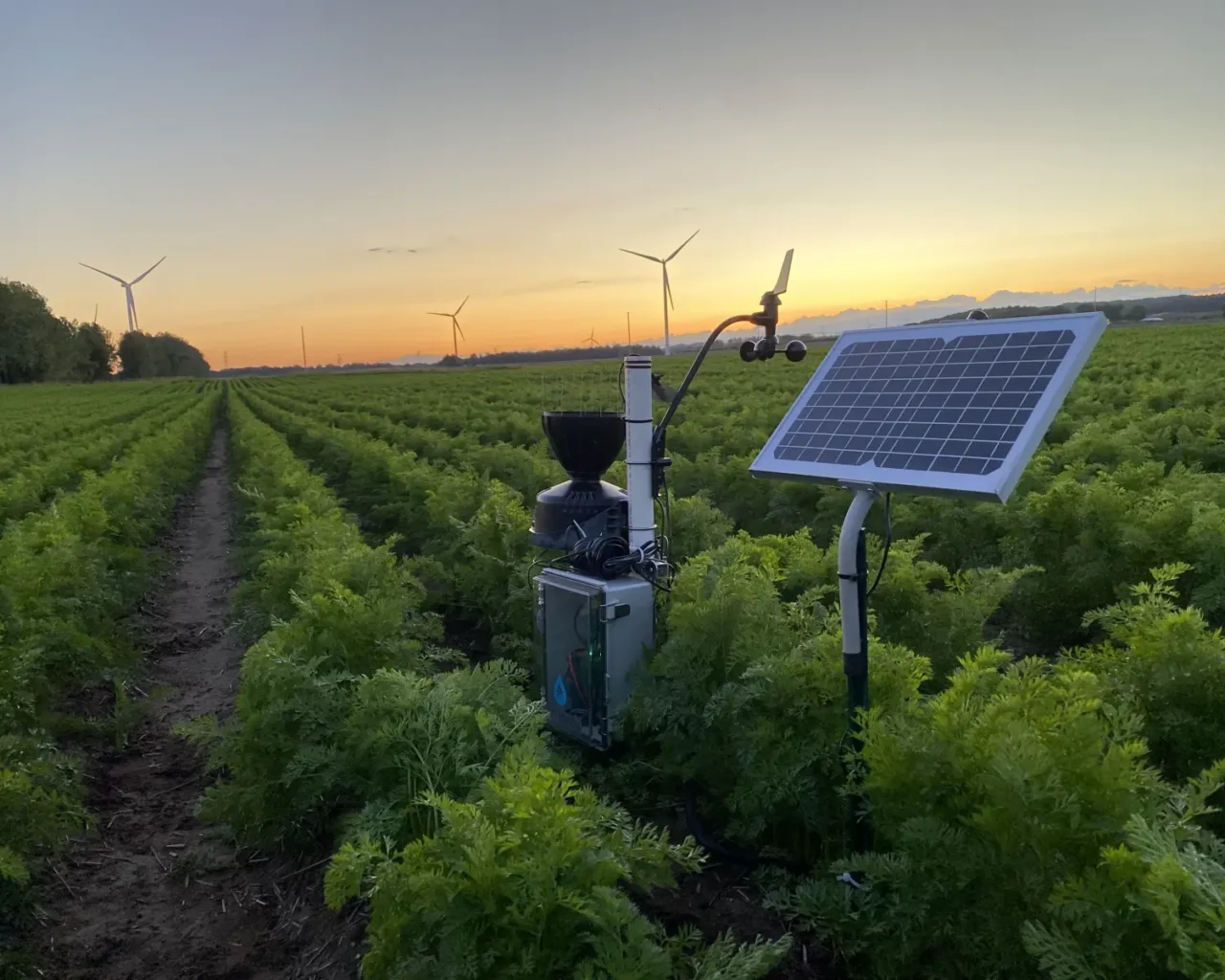
An agricultural meteorological monitoring system (often called a farm weather station) is a network of sensors and software that captures real‑time environmental data right on the farm. Typical parameters include:
- Temperature (soil, air, canopy)
- Humidity (relative, dew point)
- Wind speed & direction
- Precipitation (rainfall, snowfall, hail)
- Solar radiation
- Soil moisture & temperature
- Atmospheric pressure
These data points feed into a cloud‑based platform that provides dashboards, alerts, and predictive analytics.
Why It Matters
- Crop Health: Early warning of heat stress, frost, or drought.
- Water Management: Optimize irrigation schedules, reduce waste.
- Pest & Disease Control: Correlate weather patterns with pest outbreaks.
- Operational Planning: Schedule labor, equipment, and harvest windows.
- Regulatory Compliance: Meet reporting requirements for water usage, pesticide application, and sustainability metrics.
—
2. Building Your Farm Weather Station: Hardware Essentials
2.1 Choose the Right Sensors
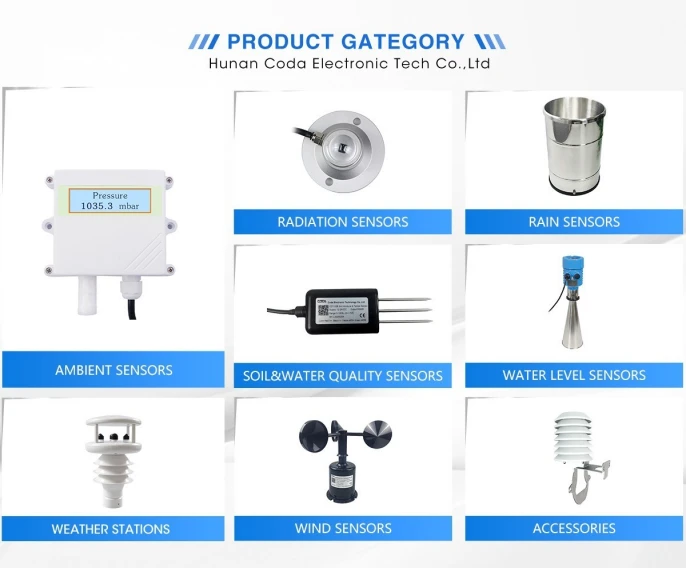
| Sensor | Key Metric | Typical Use |
|——–|————|————-|
| Thermocouple | Air/soil temperature | Detect frost risk, heat stress |
| Hygrometer | Humidity | Estimate evapotranspiration |
| Anemometer | Wind speed/direction | Assess wind erosion, pesticide drift |
| Rain Gauge | Precipitation | Irrigation cut‑off, runoff planning |
| PAR Sensor | Photosynthetically Active Radiation | Optimize planting density |
| Soil Moisture Probes | Volumetric water content | Smart irrigation triggers |
Tip: Look for sensors certified for agricultural use (e.g., ISO 9001, ASTM standards) and with long battery life or solar power options.
2.2 Connectivity: Wired vs. Wireless
- Wired (Ethernet, RS‑485): Reliable, low latency – ideal for larger farms or where power is plentiful.
- Wireless (LoRa, NB‑IoT, Zigbee): Easy installation, scalable – perfect for remote or sprawling fields.
Choose a system that supports both options so you can mix and match based on terrain and power availability.
2.3 Powering the System
- Solar Panels + Batteries: Sustainable, low maintenance.
- Grid Power: Convenient for operations already connected to the grid.
- Hybrid: Combine solar and grid to ensure uptime during cloudy periods.
2.4 Data Logging & Storage
Most modern stations include onboard memory (e.g., 8‑16 GB SSD) to buffer data during connectivity outages. Ensure the device can store at least 30 days of data to avoid loss.
—
3. From Data to Decisions: Software & Analytics
3.1 Cloud Platforms & Dashboards
Choose a platform that offers:
- Real‑time visualization: Heat maps, trend lines, alerts.
- Historical analysis: Compare seasonal patterns, identify anomalies.
- Integration: Connect with existing farm management software (e.g., FarmLogs, Climate FieldView).
3.2 Predictive Analytics
Advanced systems use machine learning to forecast:
- Frost risk: Predict nights below 0 °C within 48 h.
- Heat stress: Estimate crop temperature thresholds.
- Drought index: Combine precipitation deficits with soil moisture to trigger irrigation.
These predictions can be delivered via push notifications or API endpoints for automation.
3.3 Decision Support Tools
- Irrigation Scheduling: Automate valves based on soil moisture thresholds.
- Pesticide Drift Alerts: Stop applications during high wind events.
- Harvest Planning: Align crop maturity with weather windows to avoid post‑harvest spoilage.
—
4. Integrating Meteorological Monitoring into Precision Agriculture
4.1 Synergy with GPS & Yield Mapping
Combine weather data with GPS‑guided equipment to:
- Adjust seed rates: Calibrate planting density based on expected rainfall.
- Variable Rate Irrigation (VRI): Apply water where needed, guided by both soil moisture and weather forecasts.
4.2 Smart Contracts & Blockchain
Some farms are exploring blockchain‑based smart contracts that trigger actions (e.g., irrigation, fertilization) when weather thresholds are met. This adds transparency and traceability to supply chains.
4.3 Data Sharing & Community Networks
Participating in local weather networks (e.g., Cooperative Extension, regional agronomy groups) allows farmers to:
- Validate data: Cross‑check station readings with neighboring farms.
- Share insights: Discuss pest outbreaks linked to specific weather patterns.
- Access aggregated models: Improve predictive accuracy by pooling data.
—
5. Practical Steps to Deploy Your System
5.1 Conduct a Site Assessment
- Map out wind patterns, shade, and water bodies.
- Identify power sources and connectivity hotspots.
- Determine critical crop stages that need monitoring.
5.2 Select a Vendor & Solution
- Request demos and case studies.
- Verify compatibility with existing equipment.
- Negotiate service level agreements (SLAs) for uptime and support.
5.3 Install & Calibrate
- Mount sensors at recommended heights (e.g., 1.5 m for air temperature).
- Calibrate soil probes in representative soil types.
- Validate data against a known reference station.
5.4 Train the Team
- Offer hands‑on workshops for operators.
- Create quick‑reference guides for interpreting dashboards.
- Establish protocols for responding to alerts (e.g., “Frost Alert → Deploy heaters”).
5.5 Continuous Improvement
- Review performance quarterly.
- Update firmware and analytics models.
- Incorporate farmer feedback to refine thresholds.
—
Conclusion: Weather‑Smart Farming Is Within Reach
An agricultural meteorological monitoring system transforms raw weather data into a strategic asset. By combining reliable sensors, robust connectivity, and intelligent analytics, farmers can:
- Reduce water waste by up to 20 % through smart irrigation.
- Avoid crop losses from unanticipated frost or heat events.
- Optimize labor and equipment by aligning tasks with favorable weather windows.
- Enhance sustainability by minimizing runoff and pesticide drift.
Key Takeaways
1. Start with the right sensors—temperature, humidity, wind, precipitation, and soil moisture are essentials.
2. Choose connectivity that fits your farm’s layout—wired for reliability, wireless for flexibility.
3. Leverage cloud platforms for real‑time dashboards and predictive analytics.
4. Integrate with precision agriculture tools to maximize yield and resource efficiency.
5. Invest in training and continuous improvement to keep the system delivering value year after year.
By embracing an agricultural meteorological monitoring system, you’re not just reacting to the weather—you’re mastering it. Turn those clouds into clear opportunities and watch your farm thrive.