As the world shifts to renewable energy, wind power is more important than ever. With wind farms sprouting up across the globe, the need for accurate and reliable wind measurement has never been more crucial.
At the heart of this effort is a wind speed and direction transmitter, a device that helps capture wind energy. But what exactly is a wind speed and direction transmitter, and how does it work? In this article, we will explore wind measurement. We will review how these devices work and why they matter. We will also look at their role in renewable energy.
Introduction to Wind Speed and Direction Transmitters
A wind speed and direction transmitter is a device designed to measure the speed and direction of wind in real-time. This information is sent to a central monitoring station. It helps optimize wind turbine performance, predict energy output, and improve wind farm efficiency.
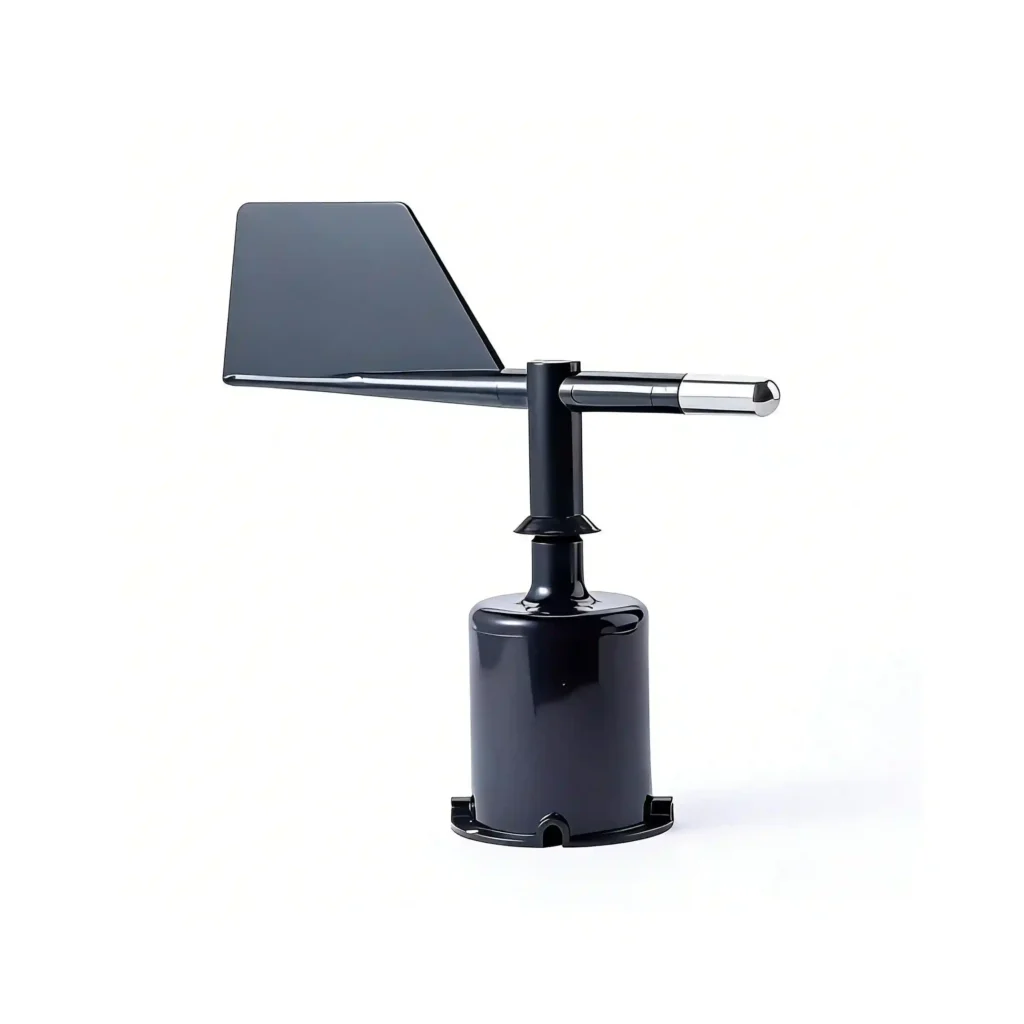
These transmitters typically use a mix of sensors. These include anemometers, which measure wind speed. They also include wind vanes, which measure wind direction. The data from these sensors is processed and sent through wired or wireless links. This allows smooth communication between the transmitter and the monitoring station.
Wind speed and direction transmitters must be accurate and reliable. Even small errors can greatly affect wind farm performance. For example, a transmitter that reads wind speed 1% too low can cause a 2% to 3% drop in energy output. As a result, it is important to choose a high-quality transmitter that meets the needs of your wind farm.
When selecting a transmitter, consider factors such as measurement range, accuracy, response time, and durability. Look for devices certified by trusted groups, such as the International Electrotechnical Commission (IEC) or the American Wind Energy Association (AWEA).
Applications of Wind Speed and Direction Transmitters
Wind speed and direction transmitters have many uses, from wind farms and weather stations to aviation and maritime industries. In the context of wind energy, these transmitters are used to:
Optimize wind turbine performance: Transmitters provide real-time wind speed and direction data. This helps operators adjust turbine settings for maximum energy production.
Predict energy output: Accurate wind measurements help operators forecast energy production. This supports better grid management and reduces uncertainty.
Ensure turbine safety: Wind speed and direction data can help detect hazards. These include extreme wind gusts or sudden direction shifts. This allows operators to take preventive measures.
Beyond wind energy, wind speed and direction transmitters are used in various fields, including:
Weather forecasting: Transmitters give useful data to weather stations. This helps improve weather forecasts and warning systems.
Aviation: Wind measurements are vital for aviation safety. They help pilots navigate and avoid dangerous weather.
Maritime: Wind data is essential for shipping and navigation, as it helps predict wave heights and wind patterns.
Installation and Maintenance of Wind Speed and Direction Transmitters
Accurate wind data depends on proper installation and maintenance of wind speed and direction transmitters. When installing a transmitter, consider the following factors:
Location: Choose a location with a clear view of the area around it. Avoid obstacles like trees or buildings.
Height: Install the transmitter at a height that supports accurate wind speed and direction measurement. It is typically 10 to 30 meters above ground level.
Orientation: Make sure the transmitter faces the right way. Align the anemometer and wind vane with the prevailing wind.
Regular maintenance is also essential to prevent data errors and ensure optimal performance. This includes:
Cleaning the transmitter and sensors to prevent debris buildup and corrosion
Checking and replacing worn or damaged components, such as bearings or cables
Calibrating the transmitter to ensure accuracy and reliability
Future Developments and Trends
As the wind energy industry evolves, we can expect major advances in wind speed and direction transmitters. Some of the trends and developments on the horizon include:
Improved sensor accuracy and reliability
Increased use of wireless communication protocols, such as Wi-Fi and cellular networks
Integration with other sensors and systems, such as solar radiation and temperature sensors
Development of more compact and lightweight transmitters, suitable for use in urban and residential areas
The Internet of Things (IoT) is growing fast.
It is expected to play a major role in improving wind speed and direction transmitters. By using IoT technologies, like cloud computing and data analytics, wind farm operators can better understand wind patterns. They can also track turbine performance, which helps them run operations more efficiently and effectively.
Conclusion and Key Takeaways
In conclusion, wind speed and direction transmitters are crucial in wind energy. They provide accurate, reliable data. This data helps optimize turbine performance. It also helps predict energy output. It also helps ensure turbine safety. When selecting a transmitter, consider factors such as measurement range, accuracy, response time, and durability.
Proper installation and maintenance are also essential to ensure optimal performance and prevent data errors. As the industry evolves, we can expect major advances in transmitter technology. These include better sensor accuracy, more wireless communication protocols, and integration with other sensors and systems.
- Key takeaways from this article include:
The importance of accurate and reliable wind measurement in the wind energy industry
The role of wind speed and direction transmitters in optimizing turbine performance and predicting energy output
The need for proper installation and maintenance to ensure optimal performance and prevent data errors
The potential for future developments and trends, such as improved sensor accuracy and increased use of IoT technologies.
By understanding the significance of wind speed and direction transmitters and staying up-to-date with the latest developments and trends, wind farm operators and industry professionals can unlock the full potential of wind energy and contribute to a more sustainable and renewable energy future.