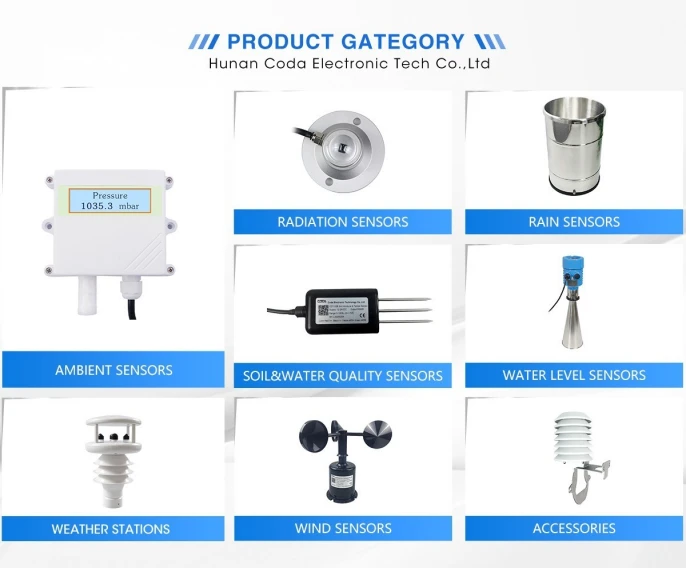
Environmental Sensors
Environmental sensors play a vital role in monitoring data center conditions, such as temperature and humidity. These sensors provide real-time data. DCIM software collects, analyzes, and reports this data. With this information, data center managers can spot trends, get alerts, save energy, and boost uptime.
**Key Types of Environmental Sensors and Their Benefits:**
**1. Temperature Sensors:**
These sensors detect temperature changes in the data center. They help prevent damage from hot spots and reduce costs from overcooling. While some only monitor room temperatures, ASHRAE recommends at least six temperature sensors per rack.
Place sensors at the top, middle, and bottom. Install sensors at both the front and back of each rack. Optimal intake temperatures should be between 18° and 27°C (65° to 80°F). The exhaust temperature should be at least 20°C (35°F) higher than intake.
**2. Humidity Sensors:**
Maintaining proper humidity levels is important. Low humidity can cause static electricity to build up. High humidity can cause equipment corrosion.
To maintain a stable environment, humidity levels should range between 40% and 60%, as per ASHRAE guidelines. Humidity sensors are usually placed in front of racks. One sensor is used for every five racks. Some setups may need more sensors.
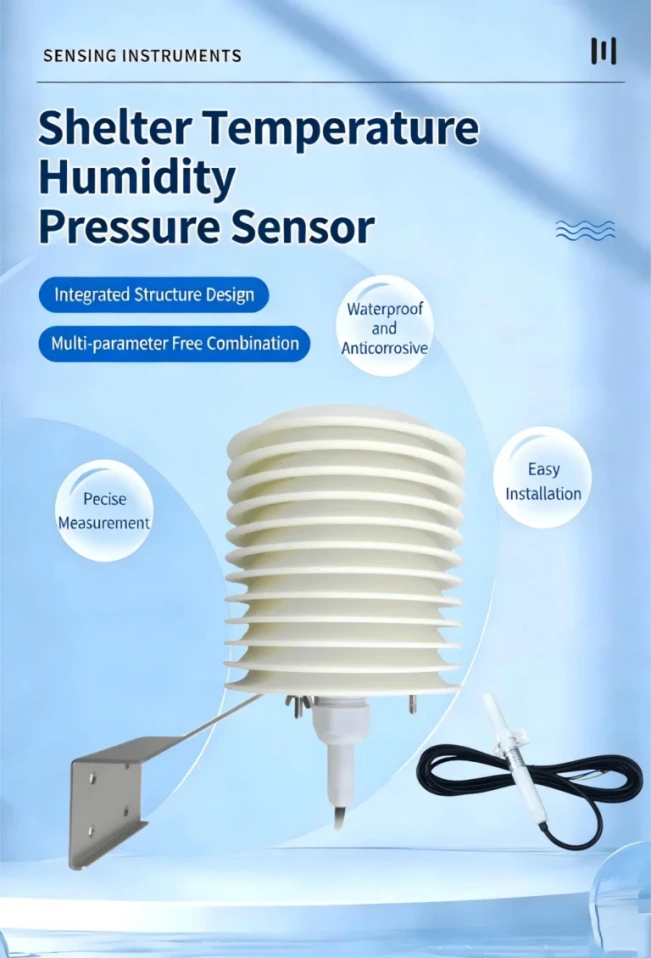
**3. Airflow Sensors:**
Monitoring airflow helps cooling work well and prevents hot spots from blocked air circulation. Proper placement includes sensors in each cold air supply zone and in each hot air return. Keeping this helps hold a steady room temperature. It also helps cooling systems run well.
**4. Pressure Sensors:**
When deploying hot aisle/cold aisle designs with variable-speed fans, differential air pressure sensors can detect differences in airflow between aisles.
This helps find air leaks caused by moved barriers or issues like chimneys between nearby racks. Place these sensors at the top and bottom of racks. Place them between aisles, underfloor perforated tiles, vents, and air plenums.
**5. Vibration Sensors:**
Over time, vibrations can lead to disk drive damage and increased downtime. By analyzing vibration data with DCIM software and parts management, managers can find drive models likely to fail.
**6. Water Leak Detection Sensors:**
Water intrusion from sources like air conditioning leaks, condensation, burst pipes, or plumbing failures can cause major damage. Early detection with water leak sensors gives vital time to limit damage and reduce downtime.
**7. Contact Closure Sensors:**
These sensors are essential for maintaining security and tracking cabinet access. They detect if cabinet doors are open or closed.
They are often linked to third-party devices, like smoke detectors or webcams. These devices can take pictures when someone opens a cabinet door.
**Deployment and Connectivity:**
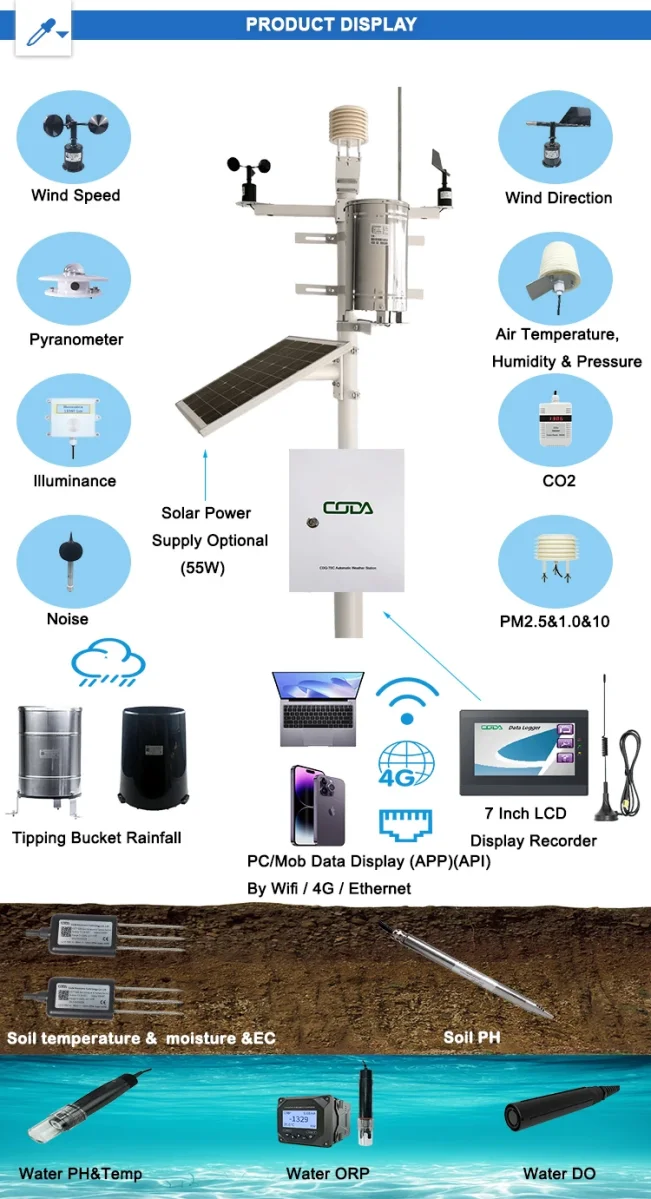
Environmental sensors are plug-and-play devices. You can add them to smart rack PDUs, rack controllers, inline meters, branch circuit monitors, and gateways. The collected data is analyzed using DCIM software or other analytical tools.
– **Wired Connectivity:** Wired systems ensure fast, reliable communication free from electronic interference over long distances. However, installing them can take a lot of labor and cost more money. There is also a risk of damaging cables or connections.
– **Wireless Connectivity:** Wireless systems save money and avoid cable installation. They are easy to scale and place anywhere. However, they may face issues like interference or limited range.