Everything You Should Know About Weather Monitoring Systems
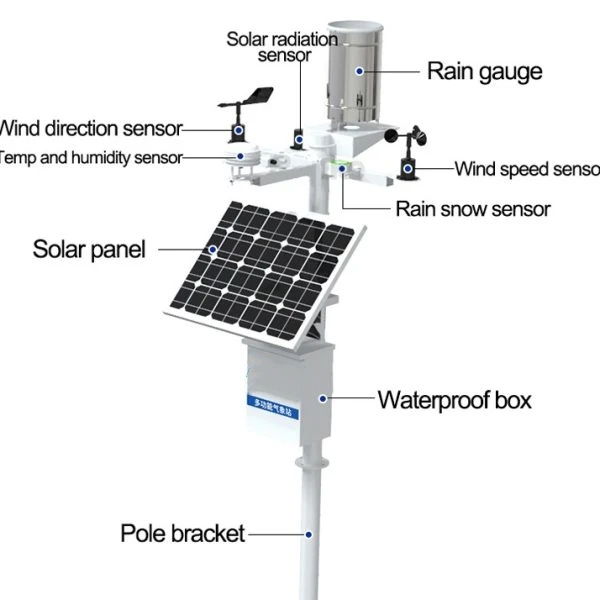
Monitoring the weather is crucial for keeping track of the shifting conditions. Weather monitoring systems are crucial in supplying data for examining environmental changes, climate patterns, and aiding various sectors such as agriculture, geology, and mining, while also improving weather forecasting models. This article explores the intricacies of weather monitoring systems, emphasizing their components, advantages, and their application across different industries.
What is the service life of a outdoor weather station?
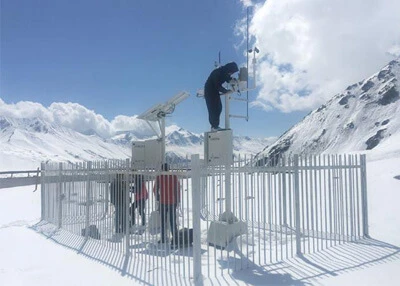
Outdoor Weather stations are locations dedicated to the real-time monitoring of meteorological and environmental data. These stations collect information with different sensors and tools. They help with weather prediction, climate studies, and environmental monitoring.
The Evolution of Weather Stations: From Analog to Digital
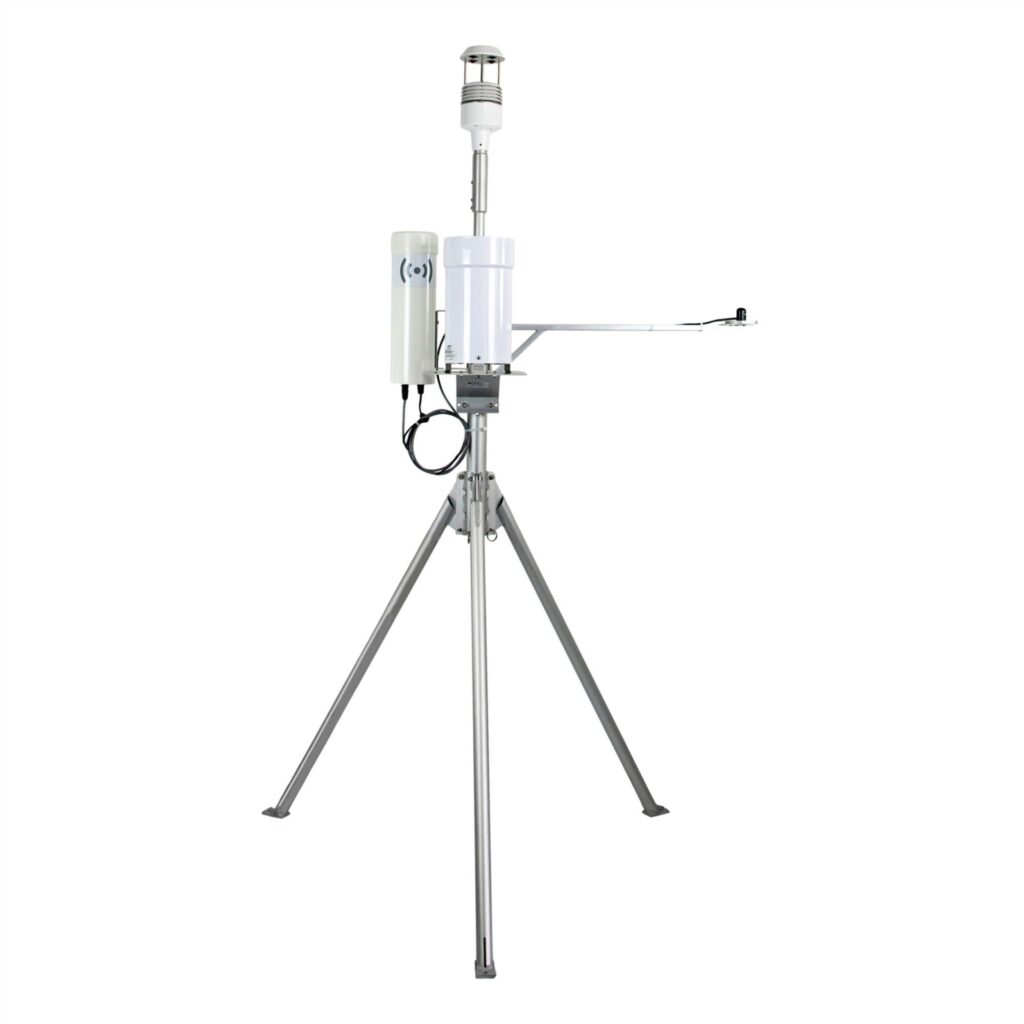
Advancements in technology have significantly shaped the progression of weather stations. Transitioning from basic analog devices with mechanical gauges to cutting-edge digital systems, weather stations now deliver precise, real-time environmental data. This article explores the transformation of weather stations, tracing their journey from analog origins to modern digital solutions, and highlights their profound influence on meteorology.
What are automated weather stations?
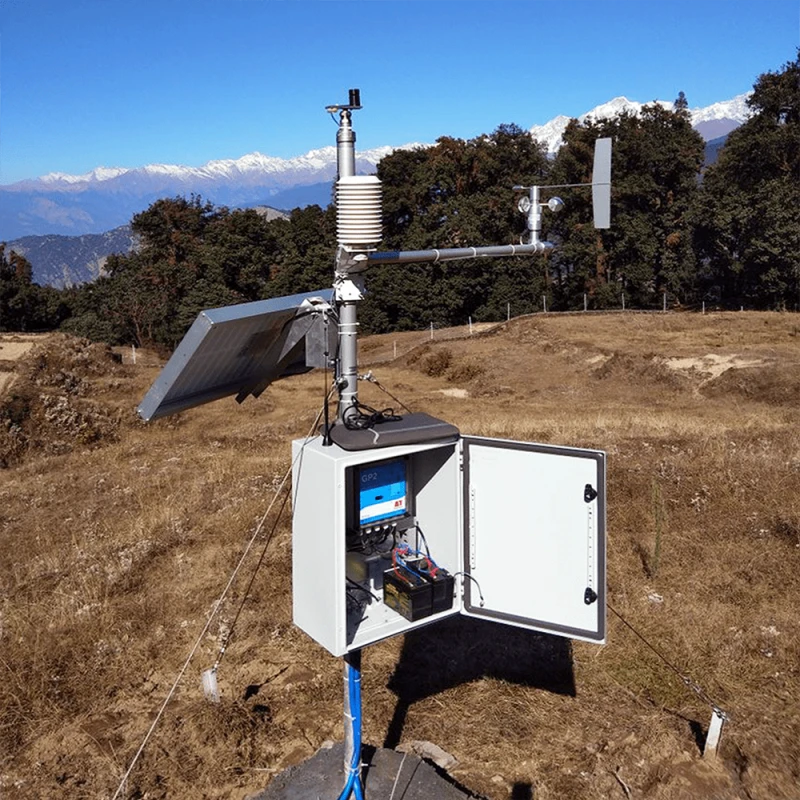
A weather station is an essential tool designed to gather, analyze, and process meteorological data. These devices provide timely and precise weather information, facilitating decision-making in various fields.
Do you need wireless for weather station?
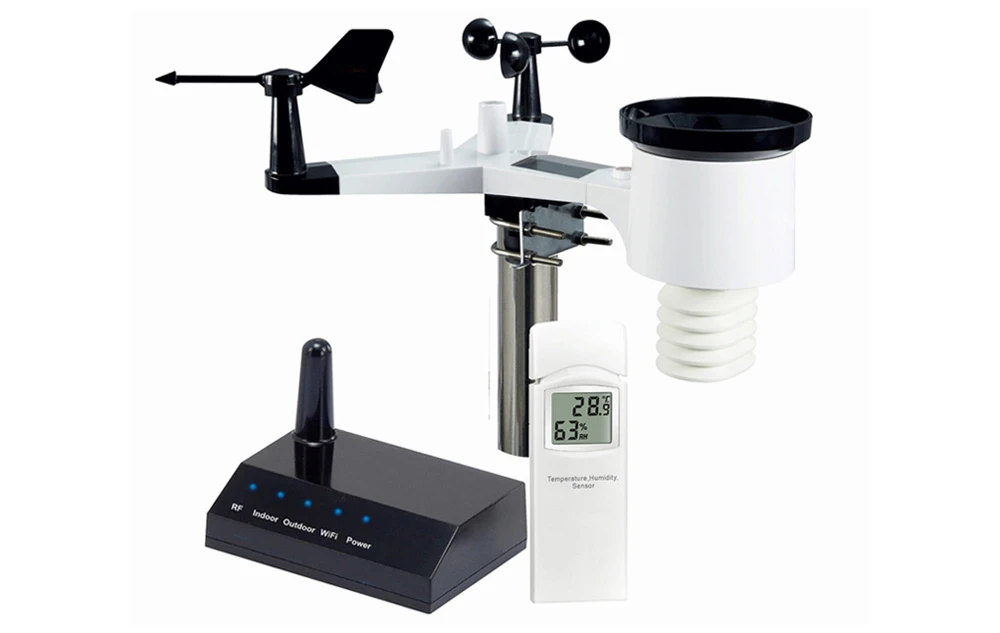
A weather station is a device designed to measure, analyze, and process meteorological data. Weather stations use sensors and instruments to continuously monitor temperature, humidity, air pressure, wind, rainfall, and other atmospheric conditions.
Types of automatic Weather Stations
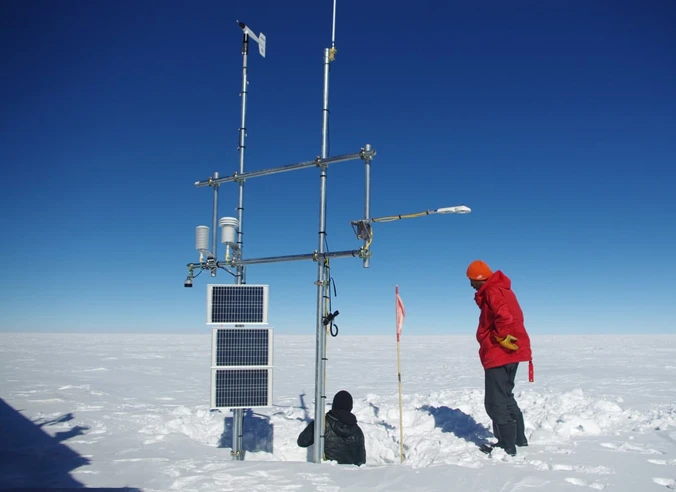
Weather stations can be categorized based on various classification standards, with each type serving distinct purposes and functionalities. Here’s a breakdown of the main types and their features:
Industrial Weather Station
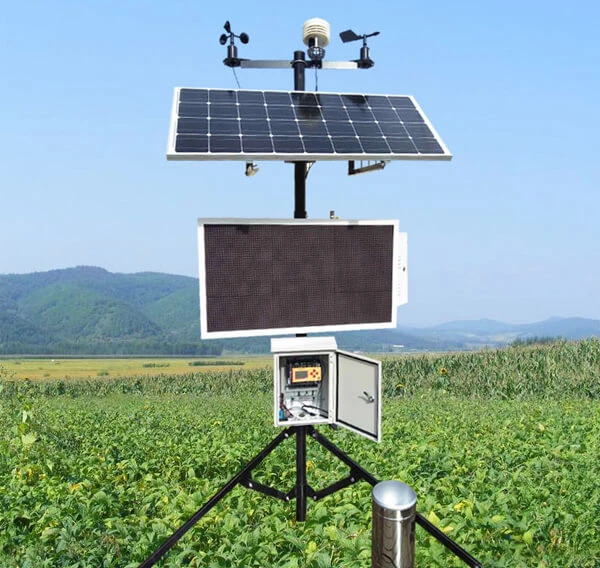
An industrial weather station is a specialized facility designed to monitor and analyze meteorological conditions in industrial zones. These stations are typically positioned near industrial sites such as parks, chemical plants, power stations, and other similar areas. Their purpose is to measure and document weather elements along with atmospheric pollutants linked to industrial activities.
How does weather station work?
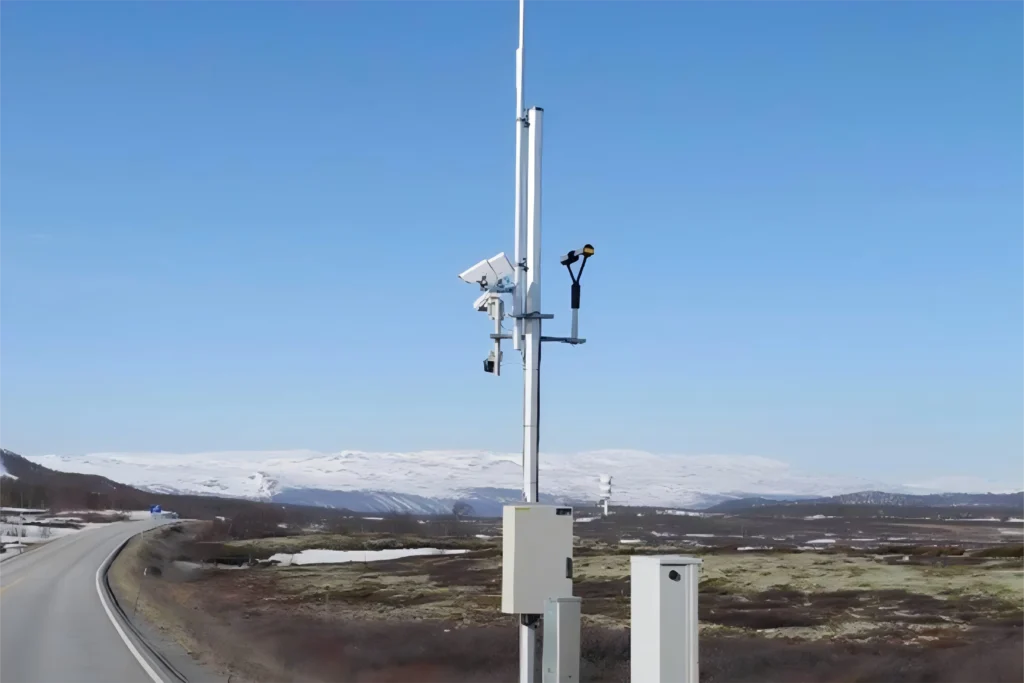
A weather station is a site for observation for instruments & sensors used in the sale, measurement and weather monitoring. Such stations, the data derived from them being an important tool to evaluate the environment as well as predict weather conditions combined with many applications from various fields.
Automatic Weather Station : Functionality and Advantages
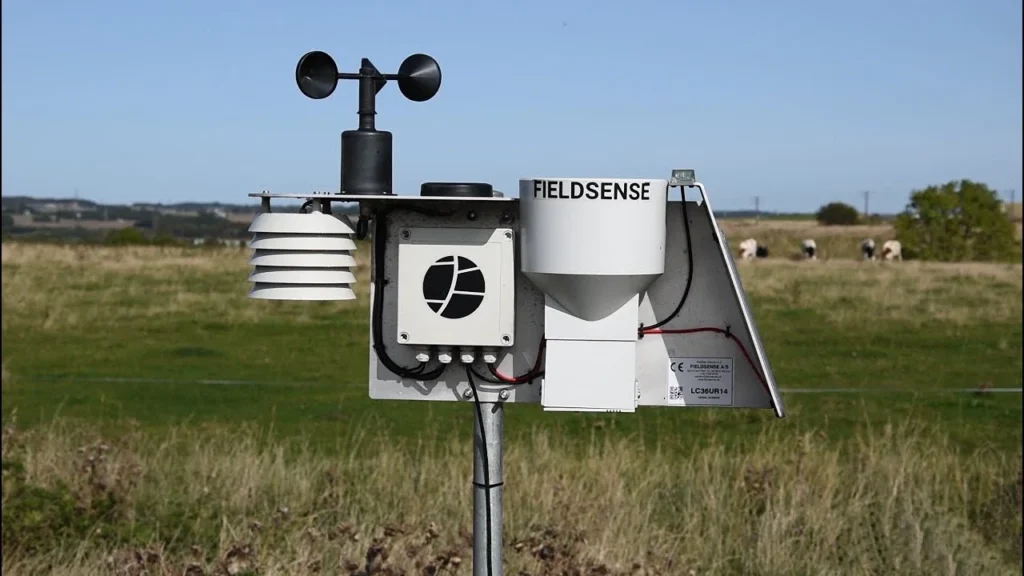
Automated Weather Stations (AWS) are innovative tools used to gather meteorological data through the use of cutting-edge sensors and instruments. These stations are indispensable in industries such as weather forecasting, climate analysis, agriculture, and beyond. This article delves into the mechanics of an automatic weather station and highlights the key benefits they bring to various sectors.
Weather station price
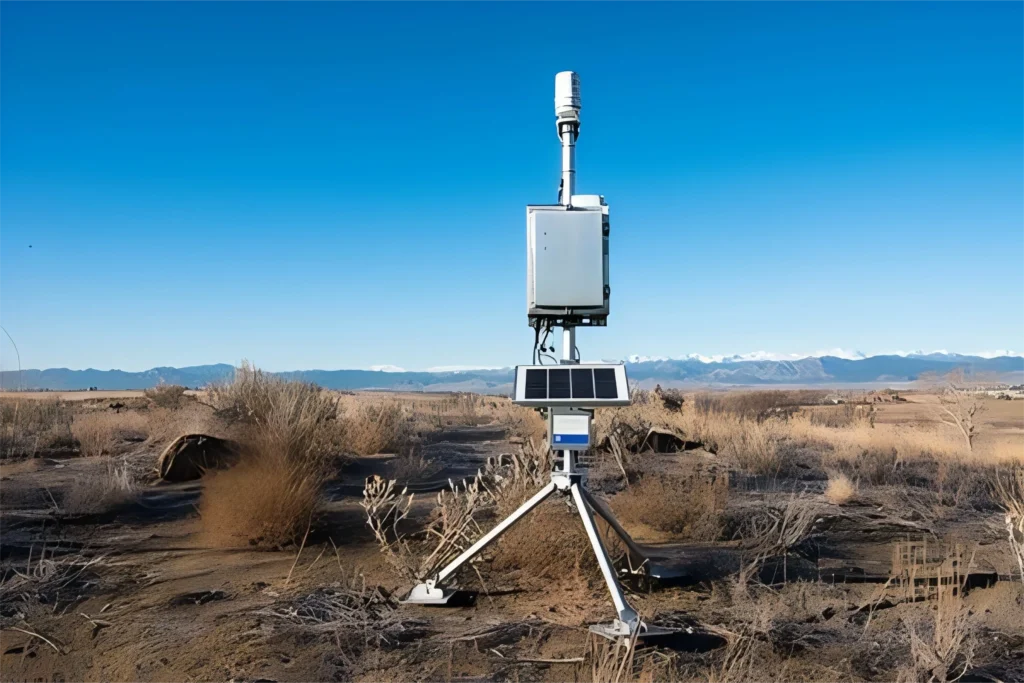
A weather station is a scientific setup designed to monitor and document atmospheric conditions. It gathers a lot of weather data by regularly observing different weather elements. These include temperature, humidity, wind speed, wind direction, air pressure, precipitation, and solar radiation.