How rain and snow sensors work and their practical applications
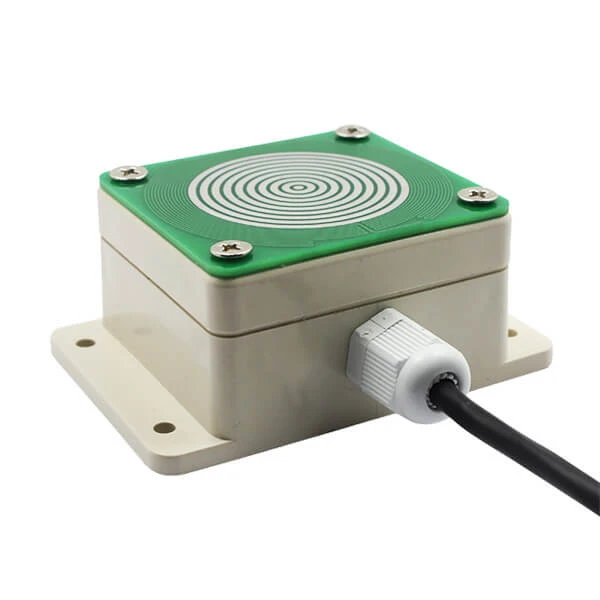
Rain and snow, both forms of natural precipitation, arise from disruptions in the atmospheric cycle and play a crucial role in the Earth’s water cycle. They serve as the sole means of delivering fresh water to land-based organisms located far from rivers and lakes.
What Future In Cup Anemometer Application Trend Technology?
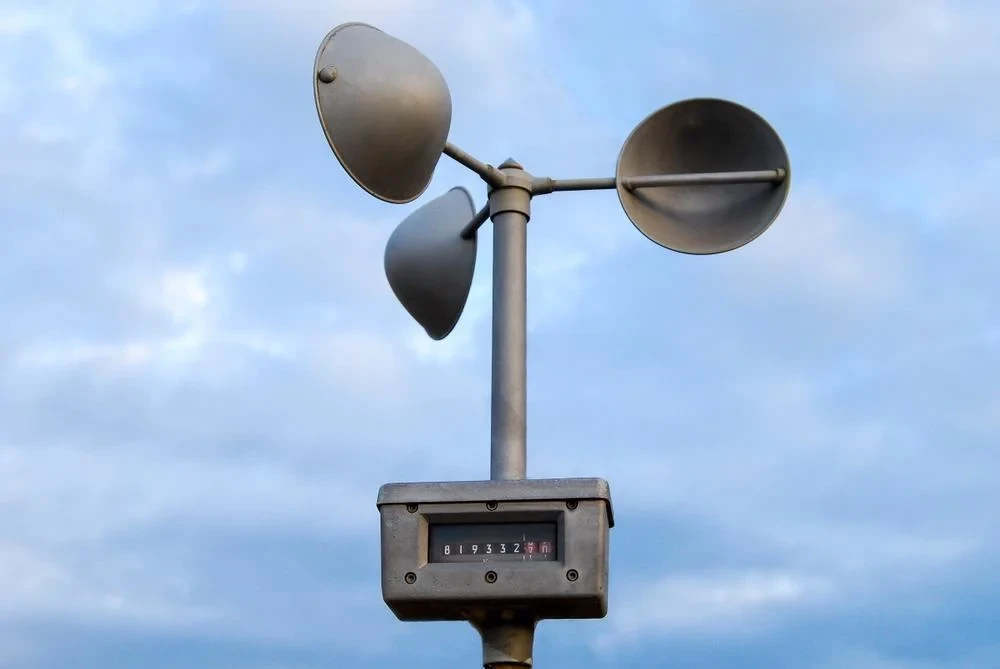
Wind measurement has always been a crucial aspect of weather monitoring and various scientific applications. The cup anemometer is one of the oldest and most popular instruments used for measuring wind speed.
The Advantages of IoT-Enabled Temperature and Humidity Sensors
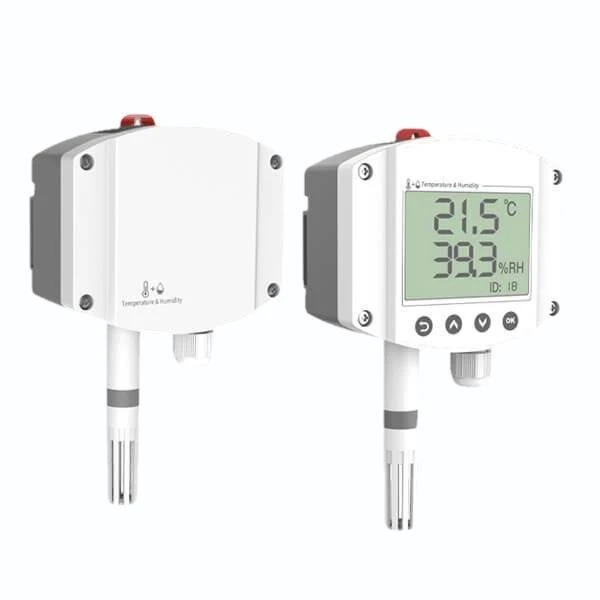
The Internet of Things (IoT) is changing how we use technology. It includes smart home devices and big industrial systems. One of these innovations is the use of IoT-enabled temperature and humidity sensors.
Float level sensor advantages and disadvantages
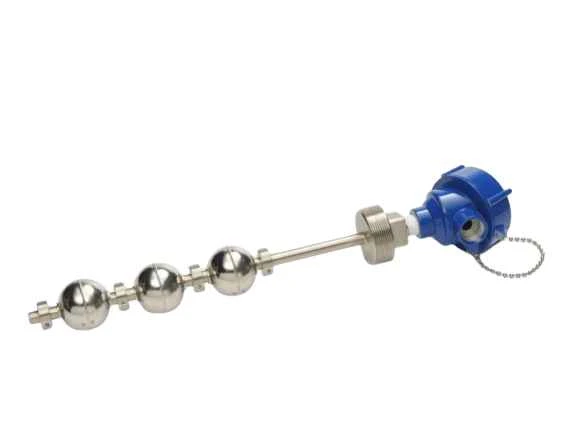
In many areas like water treatment, manufacturing, and oil and gas, keeping accurate liquid levels is important. It helps with both efficiency and safety. Level sensors are crucial in this context, facilitating precise measurement and management of liquid levels.
Advantages and Disadvantages of Cup Anemometers
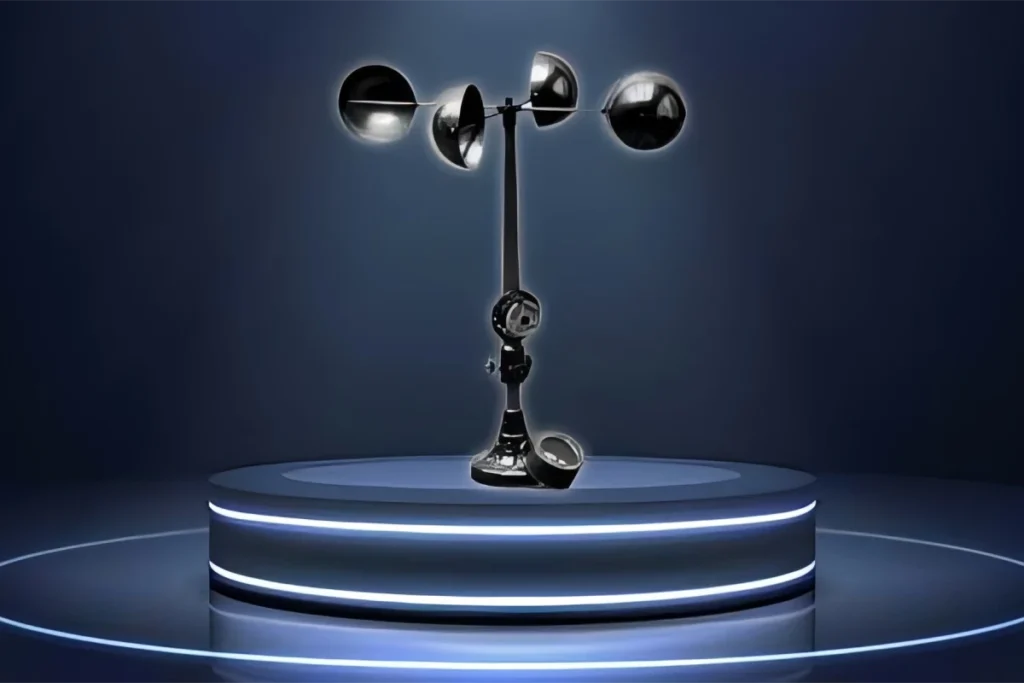
A cup anemometer is a specific type of device designed to measure wind speed, utilizing cups attached to a rotating shaft. Below are some benefits and drawbacks associated with using a cup anemometer:
What does visibility mean in weather?
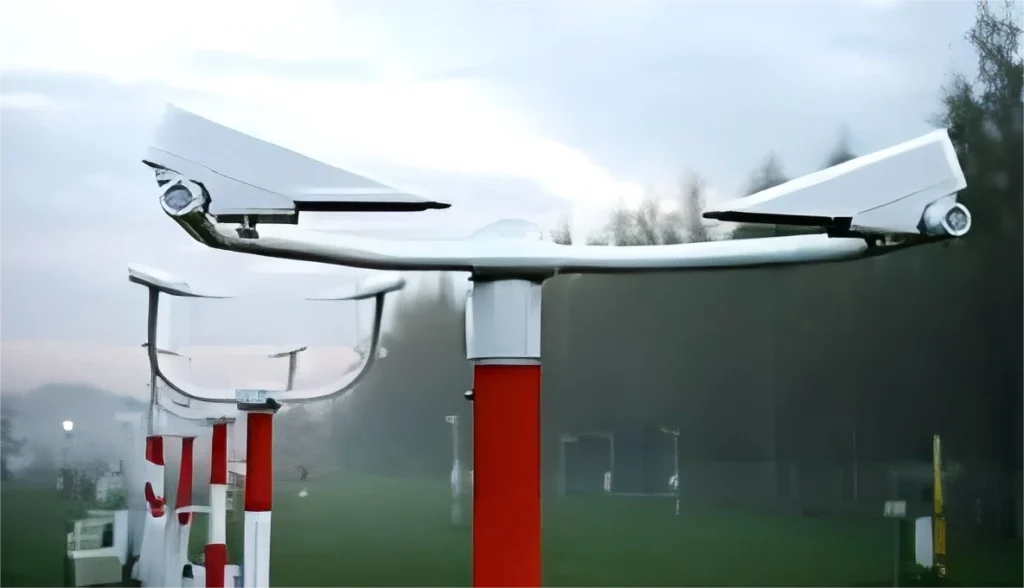
Visibility is the farthest distance an observer can clearly see and identify objects. This depends on the weather and the clarity of the air.
How is measure visibility sensor? What tool do we use to gauge visibility?
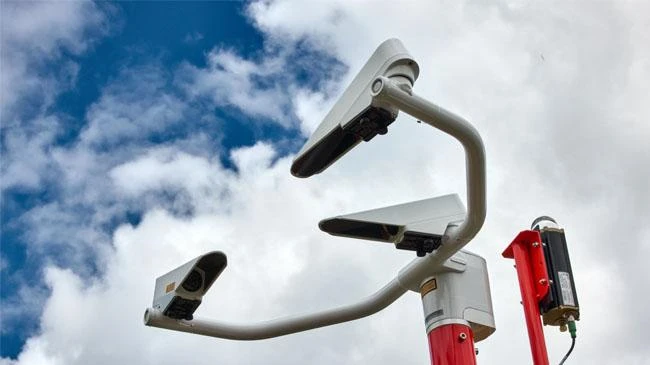
Visibility is the distance at which we can clearly see and recognize objects in the air. Particles like fog, dust, smoke, or water droplets can affect it. People generally quantify it in meters (m). Here are some typical techniques for measuring visibility along with the instruments utilized for this purpose:
What is Hydrology?
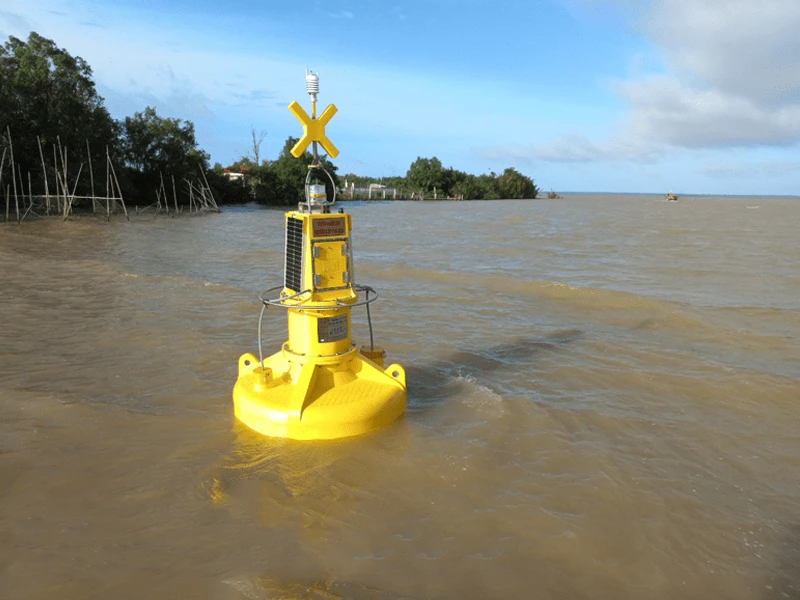
Hydrology involves examining the distribution, movement, and characteristics of water on Earth, as well as the processes that cause changes. Researchers can divide hydrology into several categories based on various research viewpoints and applications.
What tools are available for tracking hydrometeorological hazards?
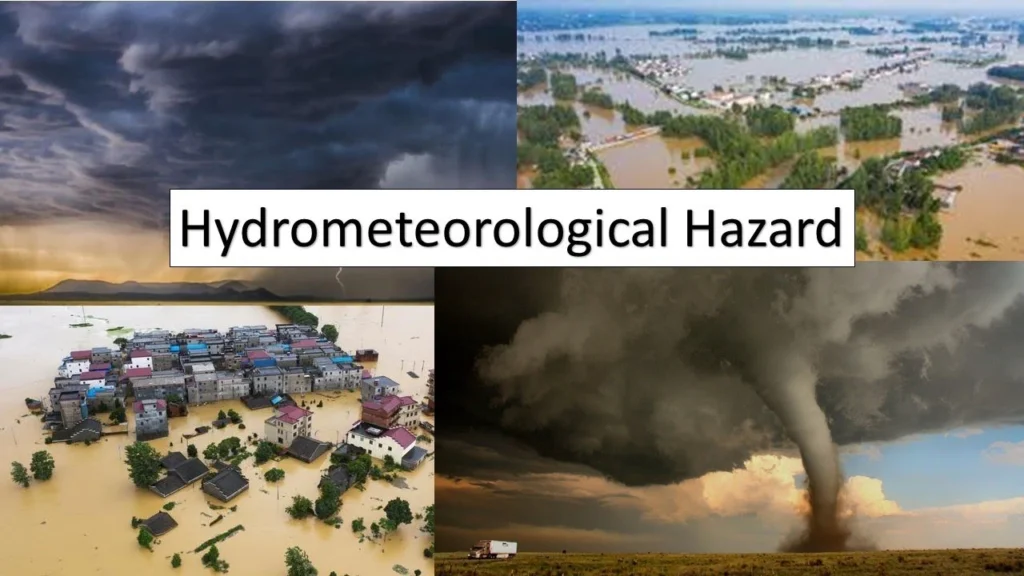
Many tools and technologies are available for tracking hydrometeorological hazards. These include different sensors, remote sensing systems, models, and information systems.
Top 9 Weather Sensors for a Meteorological Station
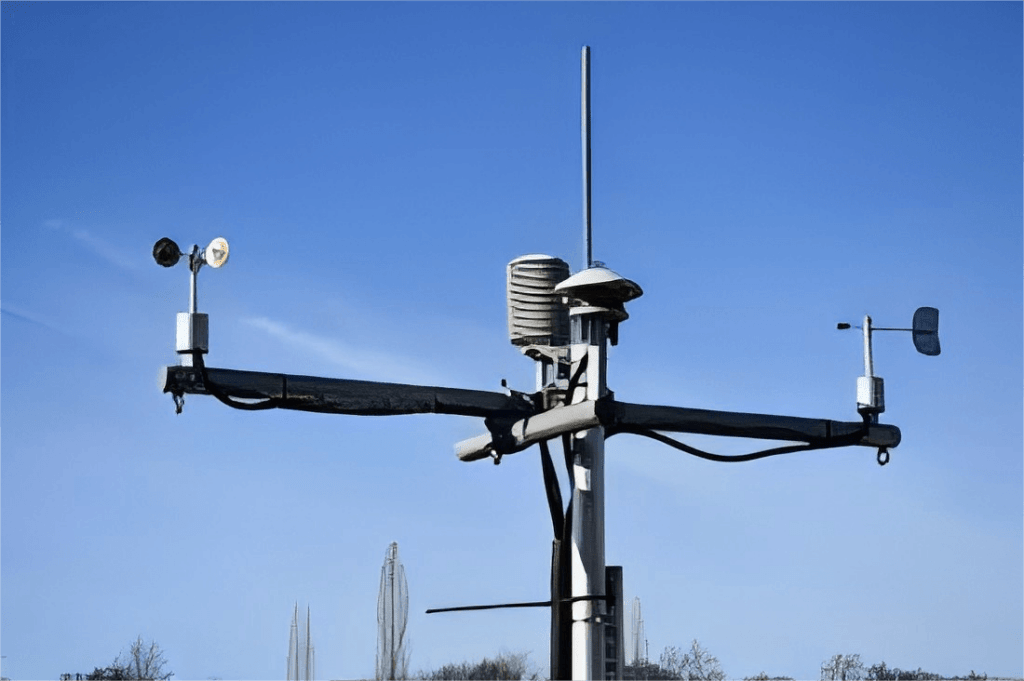
A weather sensor is an instrument designed to measure and track meteorological factors such as temperature, humidity, atmospheric pressure, wind speed, and wind direction. People typically install these sensors on weather stations, satellites, aircraft, ships, and various other platforms for weather observation.