


Water Level Sensor | Overview, Functionality, Benefits, and Types
What is a Water Level Sensor?
A water level sensor checks how high a liquid, usually water, is in storage tanks. These units can be tanks, reservoirs, or other types of containers. Water level sensors can be grouped into two types. These are contact type and non-contact type.
Contact-type sensors, such as water level transmitters, measure the levels of liquids. They do this by changing the height of the liquid into an electrical signal. These are some of the most common and effective sensors for checking water levels.
Uses of Water Level Sensors
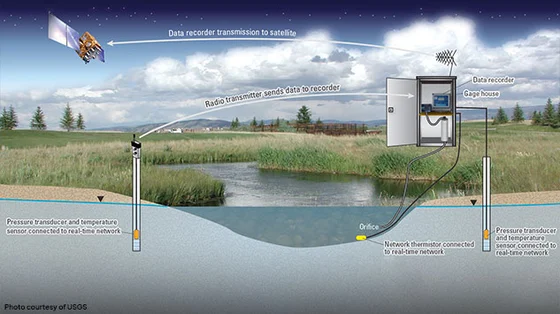
Water level sensors, or water level gauges, are important tools. They check and track liquid levels. They can also measure solid levels in various uses.
These tools are useful for monitoring levels. You can use them in reservoirs, oil tanks, or natural water bodies like rivers.

Benefits of Water Level Sensors
1. **Simple Design**
Water level sensors have no moving or flexible parts. This makes them reliable and easy to take care of. They are straightforward to use and highly dependable.
2. **Easy Installation**
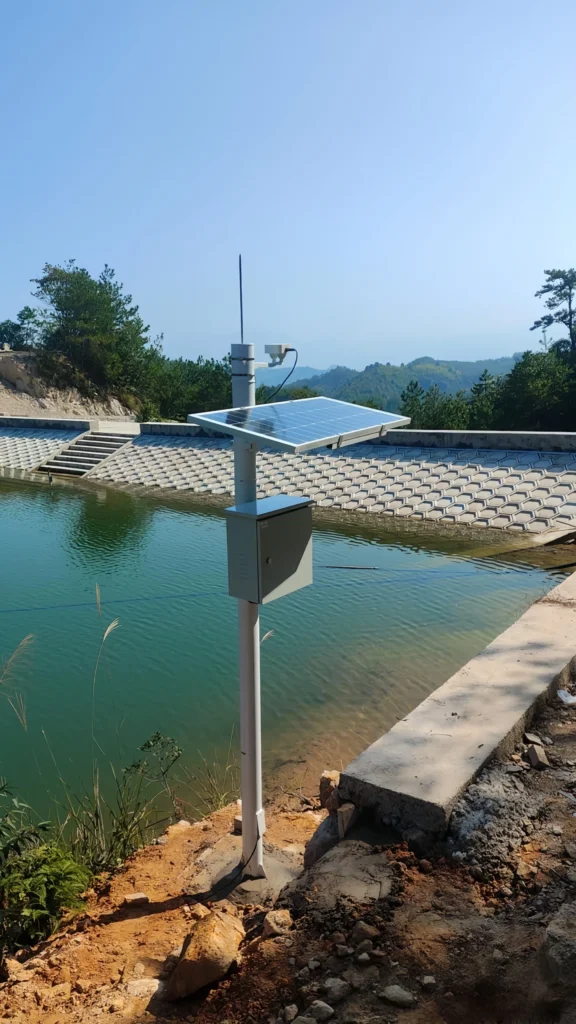
To install a water level sensor, first connect one end of the wire correctly. Then, submerge the sensor probe into the liquid you want to measure. This makes the process easy for users.
3. **Customizable Range**
These sensors can measure water levels from 1 to 200 meters. There are options to customize for other measurement needs.
4. **Versatile Applications**
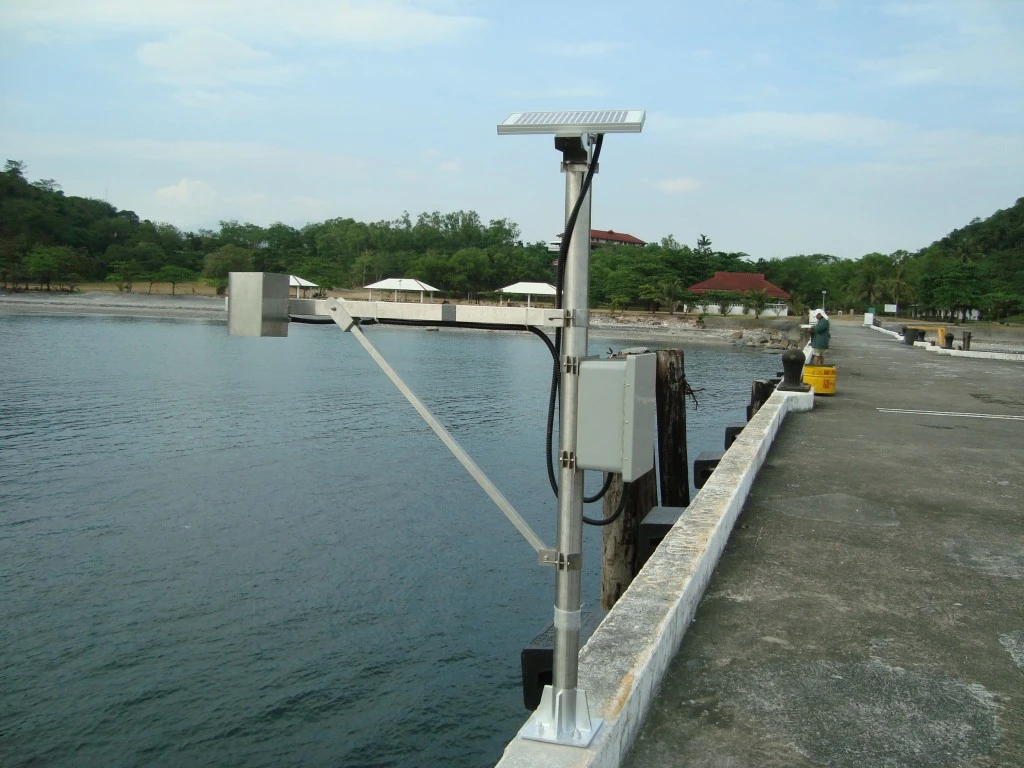
Water level sensors work well in many tough conditions. They can withstand high temperatures, high pressure, and harsh or polluted environments. For example, electronic water level gauges on riverbanks can monitor tides well.
5. **Adaptable to Different Mediums**
They measure liquids like water and oil, as well as thick pastes. The sensors are made to work well in different temperatures. They are not affected by foaming, deposits, or the electrical properties of what they measure.
6. **Durability**
In normal conditions, water level sensors work well for 4-5 years. In tougher conditions, they last for 2-3 years. This shows they are very durable.
7. **Advanced Functionalities**
Water level sensors can link to digital displays. This allows for real-time monitoring. They can also work with controllers to manage liquid levels. This is done by setting upper and lower limits based on needs.
8. **Precise Measurements**
These devices have high-quality sensors. They provide great sensitivity and quick response times. They can detect small changes in liquid levels, whether the liquid is flowing or still, with great accuracy.
9. **Multiple Variants**
Water level sensors have many designs. Each design serves different needs in many settings and industries.

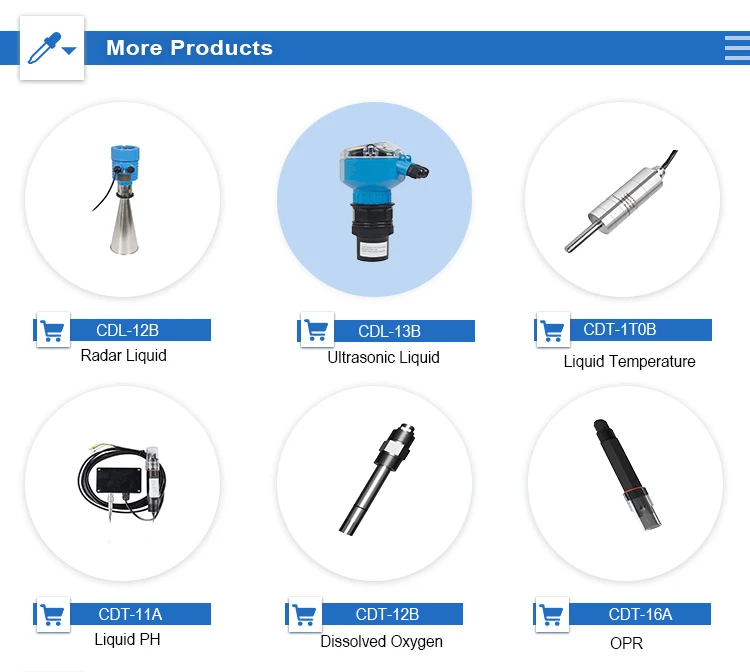
Water level sensors come in different types. They are grouped by how they measure, where they are placed, and what they are used for. Below are seven common types of water level sensors explained with key features:
1. **Optical Water Level Sensor**
This sensor works with solid-state technology. Infrared LEDs and phototransistors are connected when the sensor is in the air. When placed in liquid, infrared light can escape. This changes the output signal.
Optical sensors can detect nearly all kinds of liquids. They work well in different lighting and with small bubbles. Their reliability makes them good for long-term monitoring with little maintenance.
Advantages: Precise, quick response, and non-contact measurement.
Disadvantages: Water vapor and direct sunlight can affect performance.
2. **Capacitive Liquid Level Sensor**
A capacitive sensor has two metal electrodes: one for sensing and one for reference. When the liquid is present, it increases the capacitance between the electrodes. This allows for measurement. This type is good for tracking how liquids rise and fall in containers.
Advantages: It provides reliable measurements of container levels. You can set it from empty (0%) to full (100%) for a clear liquid level display.
Disadvantages: Electrode corrosion can change readings. This may need cleaning or recalibration.
3. **Hydrostatic Level Sensor**
This sensor works on the idea that liquid height relates to static pressure. It uses a sensitive silicon part to change pressure into electrical signals. After adjusting for compensation and linear correction, we create standard outputs for precise measurements. It is perfect for clean or slightly dirty liquids.
Advantages: High precision, simple design, and ease of installation.
Disadvantages: Changes in the temperature and density of liquids can affect accuracy. Extra protection is needed for thick or corrosive liquids.
4. **Diaphragm Liquid Level Sensor**
This type uses air pressure on a diaphragm. It activates a micro switch when the air pressure rises with higher liquid levels. When liquid levels go down, lower air pressure turns off the microswitch. The switch does not touch the liquid, so it works well with different fluids.
Advantages: Suitable for diverse liquids; does not require power inside the tank.
Disadvantages: Being mechanical in nature, regular maintenance is needed over time.

5. **Float Water Level Sensor**
The float sensor has a hollow float. This float is attached to an arm that moves with the liquid levels. The movement turns on a magnetic or mechanical switch. It also shows changing levels from full to empty.
This tool is often used to measure water levels in places like basement pump pits.
Advantages: Cost-effective; works across various liquid types without needing a power supply.
Disadvantages: Bulky design; mechanical components require more frequent usage and maintenance.
6.Ultrasonic liquid level sensor
An ultrasonic level gauge is a digital device managed by a microprocessor to measure liquid levels. The sensor sends out ultrasonic pulses while it operates. These pulses hit the surface of the liquid and come back to the sensor.
These pulses turn into electrical signals with a piezoelectric crystal. You can find the distance to the liquid surface by measuring the time it takes for a sound wave to travel. This is done by measuring the time from when the sound is sent out to when it is received.
The ultrasonic water level sensor works by using a high-frequency sound wave. This wave is sent out by an ultrasonic transducer, also known as a probe. When the wave hits the surface of a material, like a liquid or solid, it bounces back. The transducer then changes this wave into an electrical signal.
The time it takes for sound to travel depends on the distance between the sensor and the surface. This can be shown with the formula S = C × T / 2. Here, S is the distance, C is the speed of sound, and T is the time it takes to transmit.
Advantages include non-contact measurement. It works with almost all materials. This makes it good for measuring the height of many liquids and solids.
Disadvantages: Environmental factors like temperature changes and dust can greatly affect measurement accuracy.
7.Radar level sensor
A radar liquid level sensor uses electromagnetic waves to measure liquid levels without touching the liquid. High-frequency electromagnetic waves are sent to the liquid surface. The echo signals we receive help us find the liquid level. We do this by measuring time or frequency differences.
Its main technology uses microwave signals. This helps it work well in tough conditions like high heat, high pressure, corrosive environments, and steam. Radar sensors are good for industries like petrochemicals, energy storage, food production, and pharmaceuticals.
Radar sensors have many benefits. They can be used in various situations. They work well in heat, dust, and steam.
Disadvantages: Sometimes, measurement accuracy can be affected by interference echoes in certain conditions.