


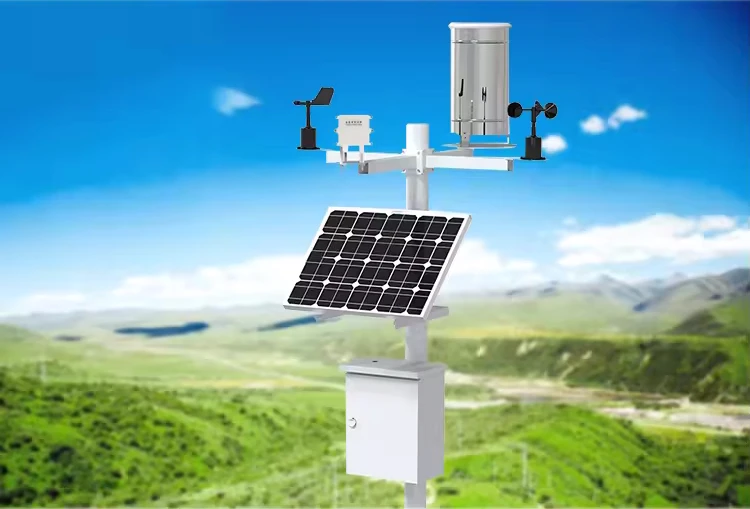
Why the Tipping Bucket Rain Gauge is Perfect for Measuring Rainfall
Rain measurement plays a critical role in fields such as agriculture, hydrology, weather forecasting, and climate research. To measure rainfall, we use different tools. These include the tipping bucket rain gauge, the weighing rain gauge, and the graduated cylinder rain gauge. Among these, the tipping bucket rain gauge stands out as one of the most dependable tools for accurately gauging rainfall.
What Makes the Tipping Bucket Rain Gauge Stand Out?
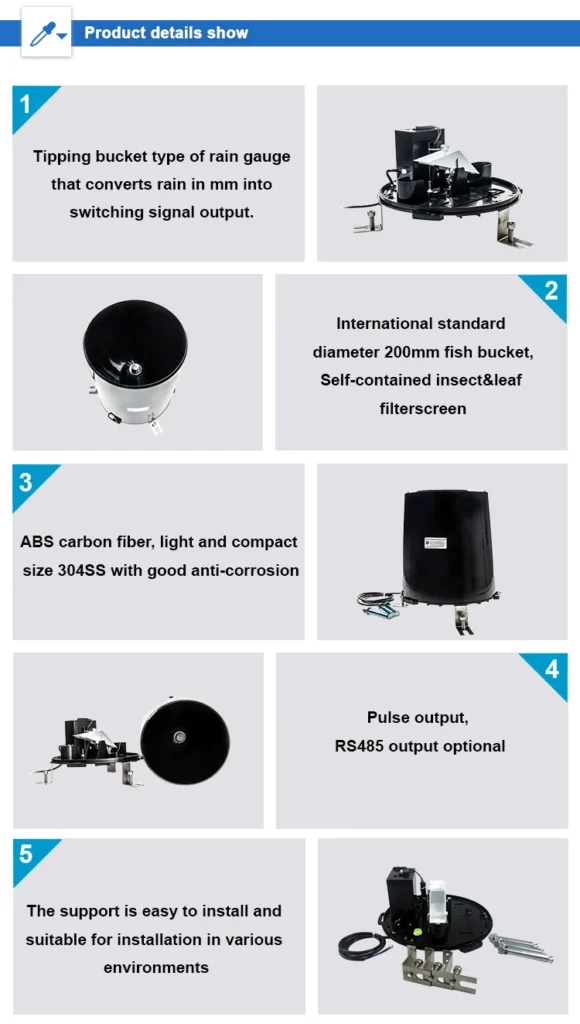
The tipping bucket rain gauge is well-liked. It is simple, accurate, and easy to take care of. It works by guiding rainwater through a funnel into a bucket that has two sections.
As one side fills, the bucket tips to pour out the water. At the same time, the other side collects more rain. This process allows for automatic and continuous rainfall measurement. It does not need constant manual checking.
This system works better than others for a few reasons. Its design cuts down evaporation and stops splashing. This helps collect data more accurately.
The tipping mechanism records data in real-time. This is important for applications that need constant monitoring of rainfall.
It also works well with weather stations and data logging systems that are automated. This makes it easier to collect and analyze data.

Key Advantages of the Tipping Bucket Rain Gauge
One key benefit of the tipping bucket rain gauge is its high accuracy. Each tip matches a set amount of rainfall, usually 0.2 mm or 0.01 inches. This accuracy is important for researchers, meteorologists, and water managers. They rely on rainfall data to make decisions.
This device is strong and easy to maintain. It is designed to work well in bad weather and last a long time.
Maintenance is often simple. It involves simple tasks like cleaning the funnel or checking the tipping mechanism. You do not need advanced tools or special skills.
The tipping bucket rain gauge can measure various kinds of rain and other precipitation. It is mainly made to measure rainfall. However, it can also measure snow and sleet if it is set up correctly.
By changing its settings, it can estimate how much liquid these forms equal. This gives important information for climate studies and managing water resources.
Practical Uses for the Tipping Bucket Rain Gauge
The tipping bucket rain gauge is helpful in many places that need to measure rainfall accurately. In agriculture, it helps farmers know how much water their crops get from rain. This helps them find better ways to water and care for their crops.
Tracking rainfall patterns helps farmers understand how weather impacts crop yields. They can change their plans.
In hydrology, this rain gauge is key for tracking water resources. It helps manage flood risks and assess drought conditions. Data collected at specific places helps hydrologists study rainfall patterns. They can also calculate runoff amounts and predict possible flooding.
This information is essential for making good water management plans. It helps to make drainage systems. This keeps communities safe from bad weather.
Meteorologists use data from tipping bucket rain gauges. This helps them make better weather forecasts and understand how rain and snow work. Real-time rainfall data, along with radar and satellite observations, helps weather agencies.
It allows them to give accurate forecasts, send timely severe weather alerts, and create climate projections. The high reliability of these gauges makes predictions more accurate. This is important for keeping the public safe during bad weather.

Calibration and Maintenance of Tipping Bucket Rain Gauges
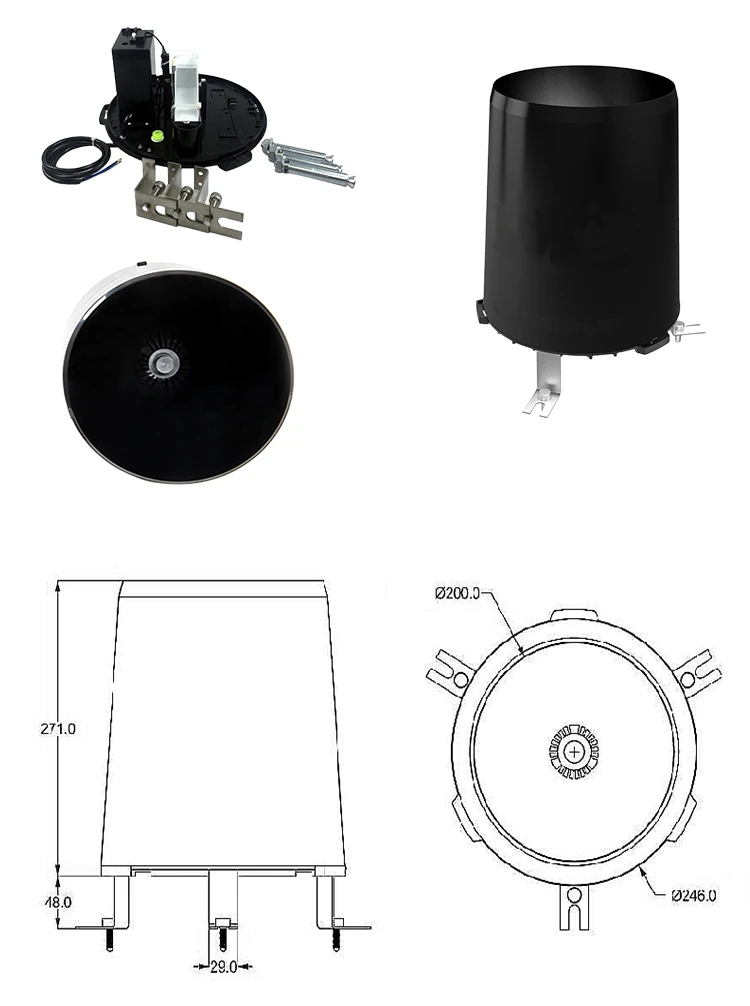
To keep rainfall measurements accurate, tipping bucket rain gauges need regular checks and maintenance. Calibration means checking how well the tipping system works. It also involves making adjustments to ensure each tip shows the right amount of rainfall. This usually means comparing the rain gauge’s measurements with those from a standard tool or reference device.
Maintenance tasks include cleaning the funnel, checking the tipping mechanism, and fixing any problems that could affect measurement accuracy. It is important to keep the funnel clean. This helps stop debris, dust, or other blockages from getting in the way of collecting rainwater.
Regularly checking the moving parts of the tipping mechanism helps it work well. This stops problems like sticking or jamming that can affect data.
Calibrating and keeping tipping bucket rain gauges in good shape is easy. Trained technicians or operators with basic knowledge can handle it. Most manufacturers provide clear instructions on calibration and maintenance.
This includes tips for regular checks and some adjustments now and then. By following these guidelines, users can get accurate rainfall measurements. Regular checks help make sure the measurements are accurate. This helps users meet their needs easily.
Advancements in Rain Measurement Technology
New technology is always improving how we measure rain. This helps make data collection more accurate, efficient, and reliable. One key area of growth is using wireless and remote sensing technologies.
These tools help track rainfall in real-time across wide areas. These systems use smart sensors, data recorders, and communication networks. They gather and send rainfall data from many places at the same time.
Another exciting development is using AI and machine learning to study rainfall data. Researchers and meteorologists can use AI models to find patterns and trends in rainfall data.
This helps improve forecasting and early warning systems. It also helps find better ways to manage water resources because of climate change.

Conclusion
In summary, tipping bucket rain gauges are dependable tools for measuring rain. They are easy to use, precise, and strong for many purposes. By knowing their benefits, uses, calibration steps, and maintenance needs, users can improve their effectiveness for specific tasks.
New technology will create better systems in the future. These systems will help us study rainfall patterns and see how they affect the environment.