

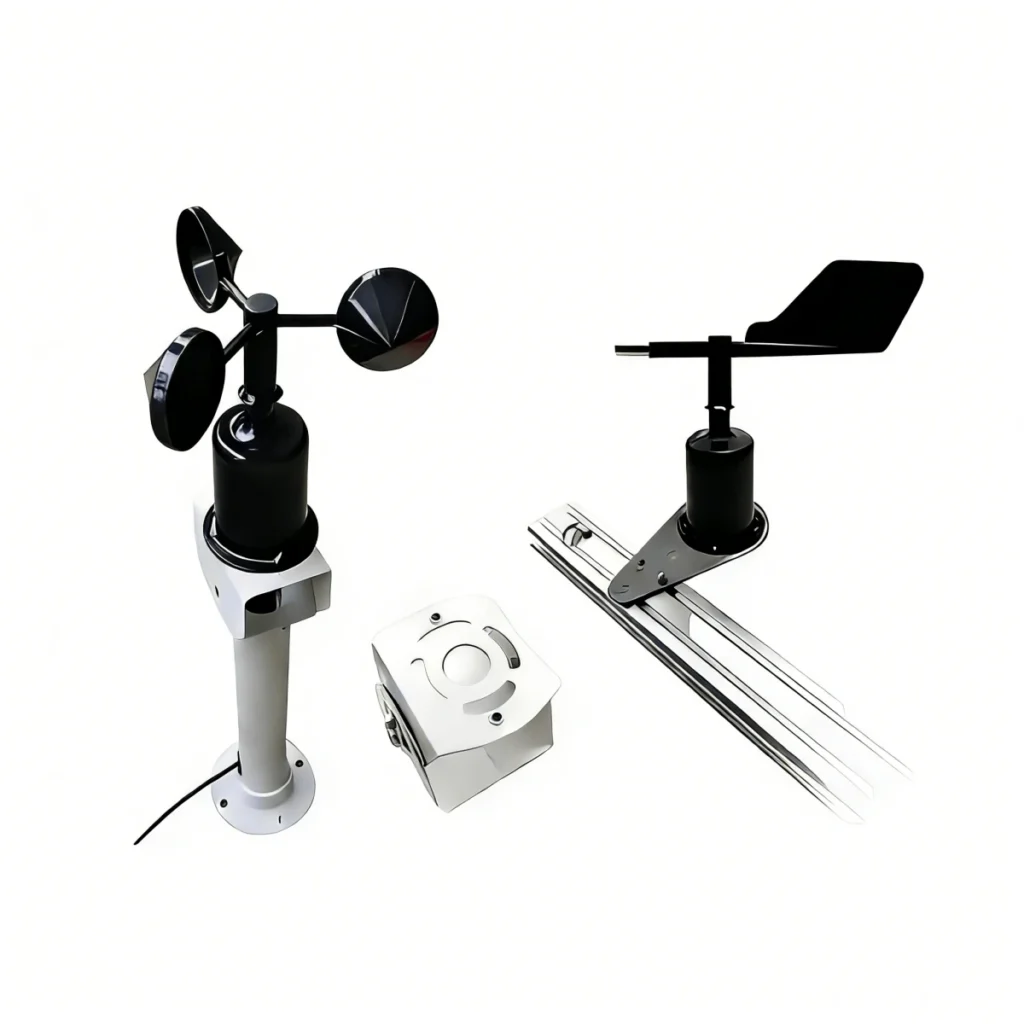
What device measures wind speed and direction?
A device that measures wind speed and direction is vital for many uses. These include weather forecasts, aviation, navigation, and better wind turbine performance for energy production.
Measuring Wind Speed
Wind speed is how fast air moves over time. It is usually shown in meters per second (m/s) or in kilometers per hour (km/h). Here are the main tools used to measure wind speed:
1. **Anemometers**:
This is the most common instrument for measuring wind speed. There are different types of anemometers, including:
– **Mechanical Anemometers**: Often these have rotating cups or blades. These components rotate at a speed that matches the wind speed.
– **Ultrasonic Anemometers**: Use sound waves to measure wind speed. By measuring the time it takes for ultrasonic waves to travel between sensors, wind speed is calculated with high accuracy.
2. **Laser Doppler Wind Radar**:
This advanced method uses laser beams to measure both wind speed and direction. It is known for its high accuracy and clear detail.
3. **Hot Wire Anemometers**:
Measure wind speed by sensing heat loss from a heated wire. The faster the air moves, the more heat is transferred away.

Measuring Wind Direction
Wind direction shows where the wind comes from. It is given in degrees from true north (0° is north, 90° is east). Common tools for measuring wind direction include:
1. **Wind Vane**:
A basic tool made of a rod and a vector arrow. The arrow points into the wind, showing where the wind comes from. The design ensures stability through varying areas of wind resistance at the head and tail of the vane.
The Relationship Between Wind Speed and Wind Direction
Wind speed and direction are crucial in meteorology. They define the overall wind vector. Together, they play a key role in understanding weather patterns. They also support practical uses like flight navigation, sailing, and energy production.
The relationship between these parameters includes:
1. **Interaction**: Terrain can affect both wind speed and wind direction. For instance, obstacles such as mountains may slow down wind and cause shifts in its direction.
2. **Joint Effect**: Combined, they define wind traits like speed and direction. These traits are vital for weather forecasts, climate research, and aerospace work.
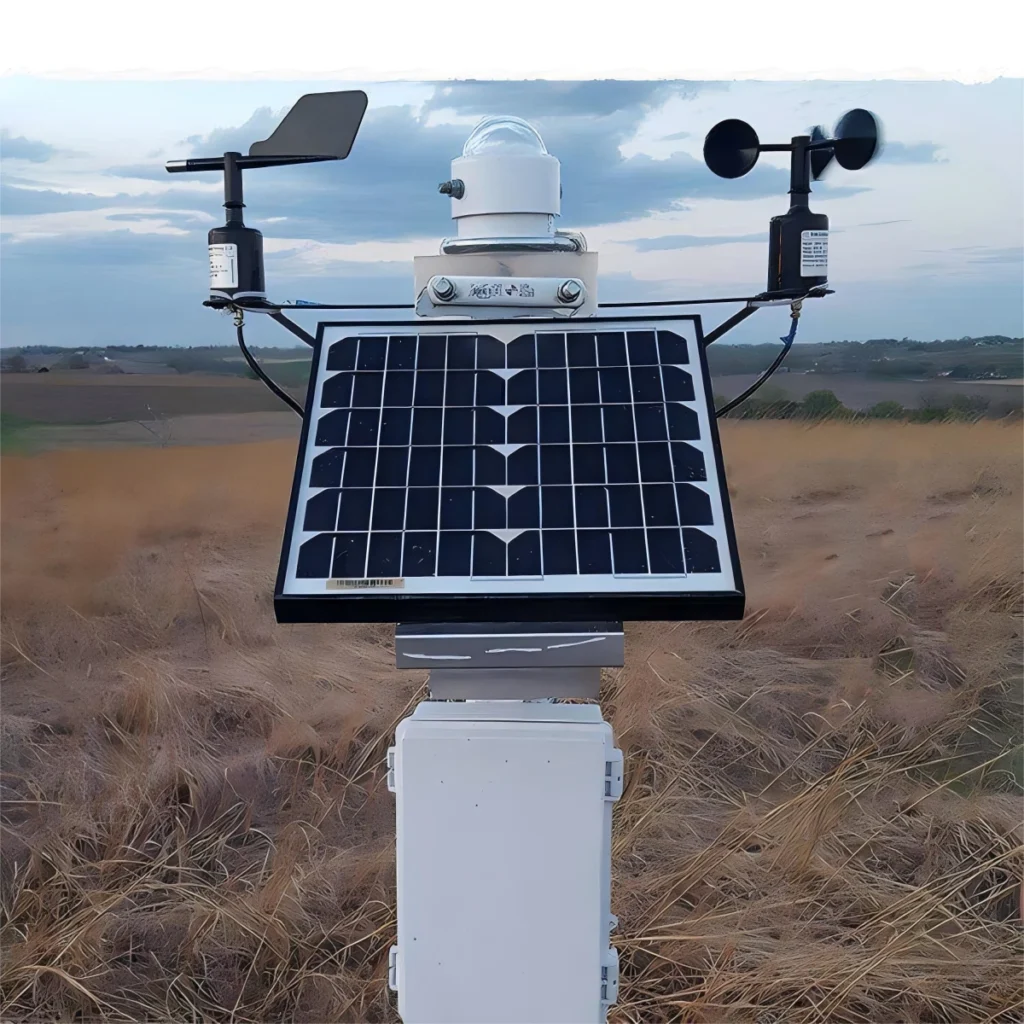
Modern weather stations often use devices that measure wind speed and direction at the same time:
1. **Ultrasonic Weather Stations**:
These use ultrasonic sensors to provide accurate and detailed data on both parameters.
2. **Combined Anemometer-Wind Vane Systems**:
Some mechanical equipment combines both functions and offers full wind assessments.

Wind Direction Measurement
1. **Wind vane (direction indicator)**:
Usually installed on top of an anemometer, this device has a semicircular dial. It has markings that show wind direction. The vane adjusts to align with the wind direction.
2. **Rotating vane anemometers**:
These instruments include a vane. It pivots to show the wind direction. A gear mechanism often sends rotation to a digital scale or a pointer on a dial for precise readings.
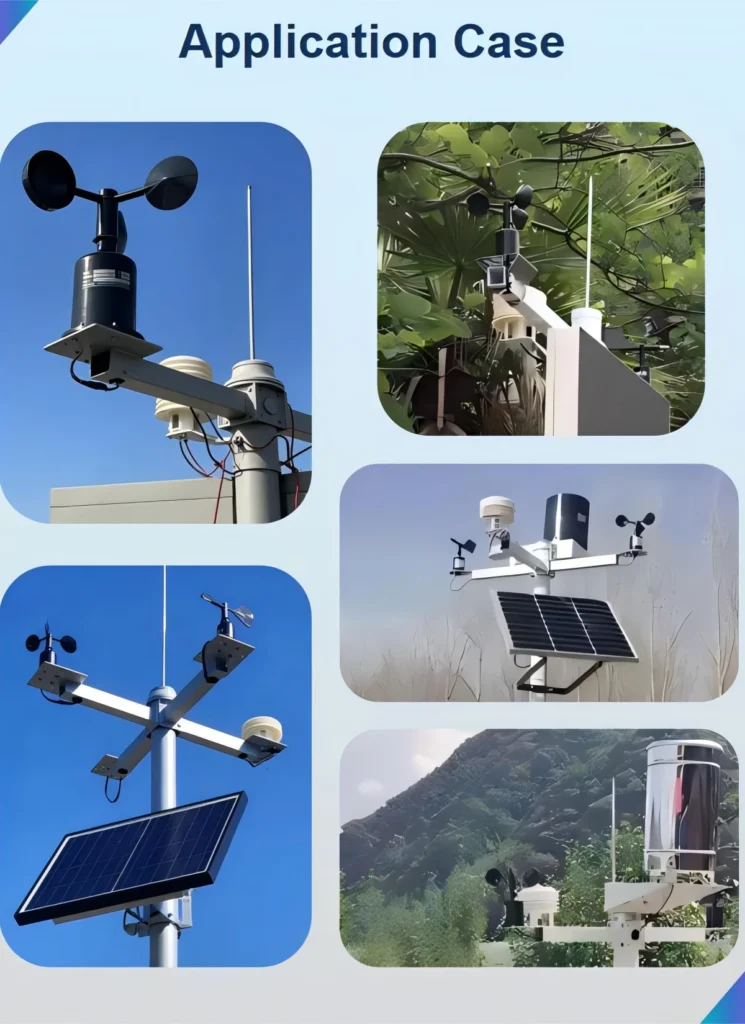
Wind speed and direction are mainly measured using anemometers and wind vanes. These tools can be used alone. They can also be used in combined systems, such as wind poles.
Advances in science and technology have also led to advanced devices like laser Doppler wind radar. These devices measure wind parameters with greater precision.
In conclusion
You can measure wind speed and direction using traditional tools and modern technology. Moreover, these two aspects depend on each other and together define the overall characteristics of wind.