


What Are IoT Sensors and Devices? | what is an iot device
In today’s fast-changing tech world, the Internet of Things (IoT) is a strong force. At the heart of this change are IoT sensors and devices. These parts link the physical world to the digital world.
This allows for smooth data flow and smart interactions. It is important to know what IoT sensors and devices are. This knowledge helps us see the full potential of the iot solutions ecosystem.
Defining IoT Sensors and Devices
IoT sensors are special devices. They are designed to find and measure changes in the environment or physical conditions. They change real-world data like temperature, humidity, motion, light, or air quality into digital signals. These signals can be processed, sent, and analyzed.
A temperature sensor can measure the room’s temperature. It then sends this information to a main system. IoT devices are more complete units. They can do many tasks and often iot devices include several sensors.
These devices can speak, do math, and take action based on the information they get. Smart thermostats can feel the temperature and connect to Wi-Fi. They change heating or cooling systems when needed. These devices are a good example of IoT technology.

How IoT Sensors and Devices Work
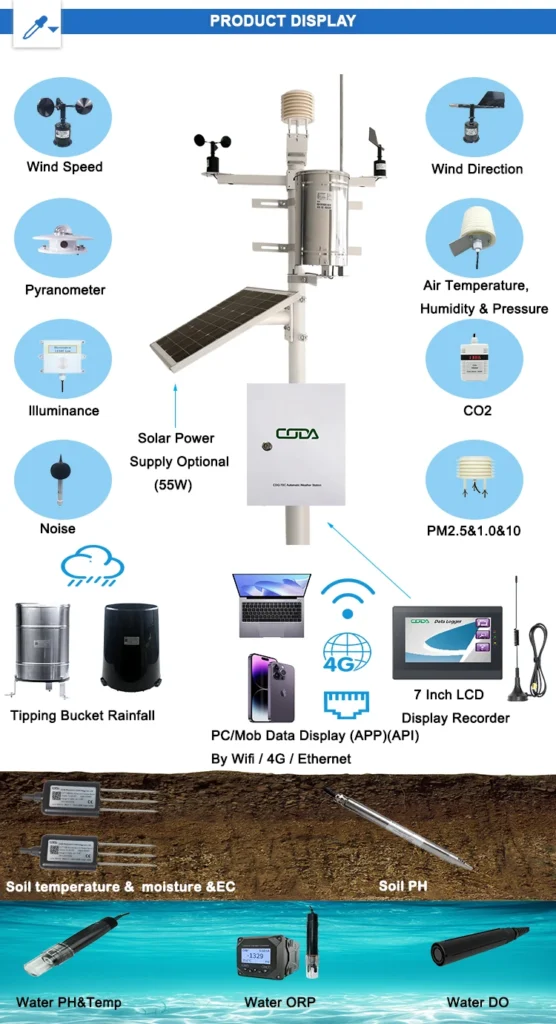
IoT sensors work by changing one form of energy into another. They use different sensing elements. And they use thermistors to measure temperature.
They use capacitive sensors to detect humidity. For motion sensing, and they also use piezoelectric materials.
When the target physical quantity changes, the sensing element’s properties change too. Then, this change turns into an electrical signal. People often enhance, filter, and change this electrical signal before sending it to a microcontroller or gateway.
IoT devices can handle data from sensors right where they are. They can also send this real time data to the cloud for further analysis. They use tools such as Wi-Fi, Bluetooth, Zigbee, and cellular networks to send and receive transmit data.
A smart security camera is an IoT device. It uses image sensors to capture video. It can check the video for motion. Then, it sends alerts and video clips to a user’s smartphone through the internet connectivity.
Types of IoT Sensors and Devices
IoT Sensors
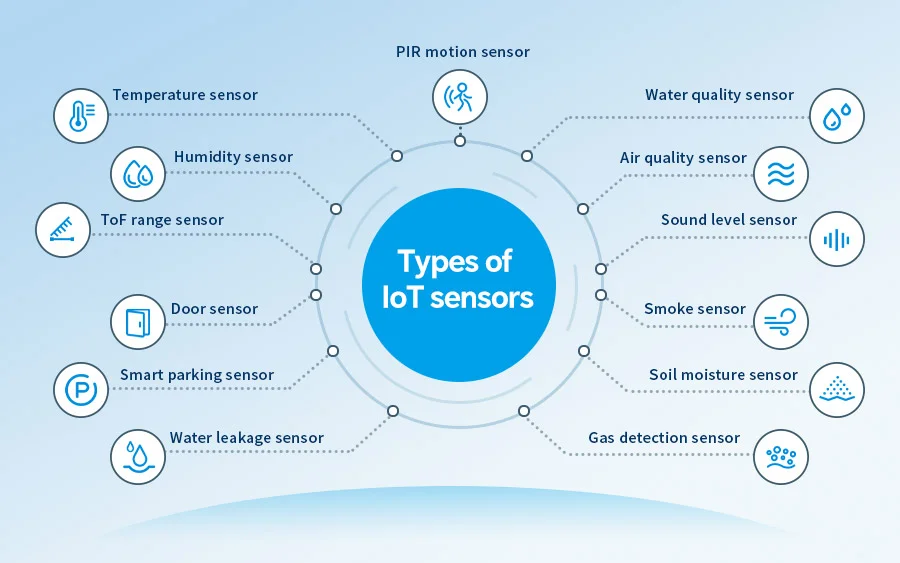
Environmental Sensors: These are widely used to monitor aspects of the natural or built environment. Temperature sensors are often used in HVAC systems, greenhouses, and data centers. They help keep the right temperature. Humidity sensors are often used with temperature sensors.
They help monitor moisture levels. This is important in agriculture for crop growth. It is also vital in museums to preserve artifacts.
Air quality sensors find pollutants like dust, carbon monoxide, and harmful chemicals. They help keep indoor and outdoor spaces healthy.
Motion and Proximity Sensors: Motion sensors, such as passive infrared (PIR) sensors, help security iot system find people or animals. They are also used in smart lighting systems. They turn on lights automatically when they detect motion. Proximity sensors measure how far apart physical objects are.
Biometric Sensors: These sensors help identify people by their unique physical traits. Fingerprint sensors, iris scanners, and heart rate monitors are types of biometric sensors.
They are part of the Internet of Things (IoT). Manufacturers use them in smartphones to keep them secure. In healthcare, professionals use them to check patients’ vital signs.

IoT Devices
Smart Cities Home Devices: This group includes many products that improve comfort, convenience, and energy efficiency. Smart speakers like Amazon Echo and Google Home can connect to other smart devices in your home.
This lets users control lights, thermostats, and security systems with their voice. Smart plugs enable users to remotely control the power supply to appliances, helping to save energy.
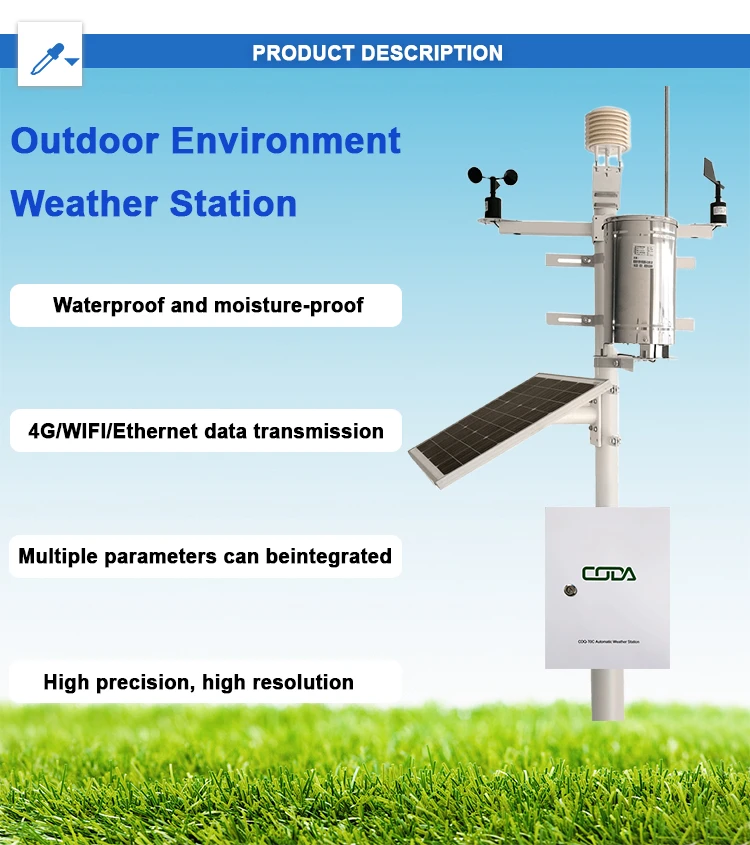
Industrial IoT (IIoT) Devices: In the industrial sector, IoT devices are used to optimize processes, improve productivity, and enhance safety. Industrial sensors can check how machine learning are working. They keep track of things like vibration, temperature, and pressure.
This helps to find early signs of equipment problems. People can monitor and control programmable logic controllers (PLCs) from a distance. These PLCs have IoT features. This allows for predictive maintenance and less downtime.
Wearable Devices: Fitness trackers, smartwatches, and medical monitoring connected devices are popular wearable devices. They are part of the Internet of Things (IoT). They use sensors to track physical activity, heart rate, sleep patterns, and other health metrics.
iot application Sensors and Devices
The use of IoT sensors and devices covers many industries. In farming, sensors can check soil moisture, nutrient levels, and weather. This helps farmers improve irrigation, fertilization, and crop care.
In healthcare, remote patient monitoring devices help doctors check patients’ health in real-time. This helps improve the quality of care and reduces hospital readmissions. In transportation, people use IoT devices to track vehicles, manage traffic, and maintain fleets.
In conclusion, IoT sensors and devices are key parts of the Internet of Things. They allow objects to talk, work together, and make smart choices. As technology advances, we can expect more new and different IoT sensors and devices to come out. These will change how we live, work, and interact with the world around us.
