


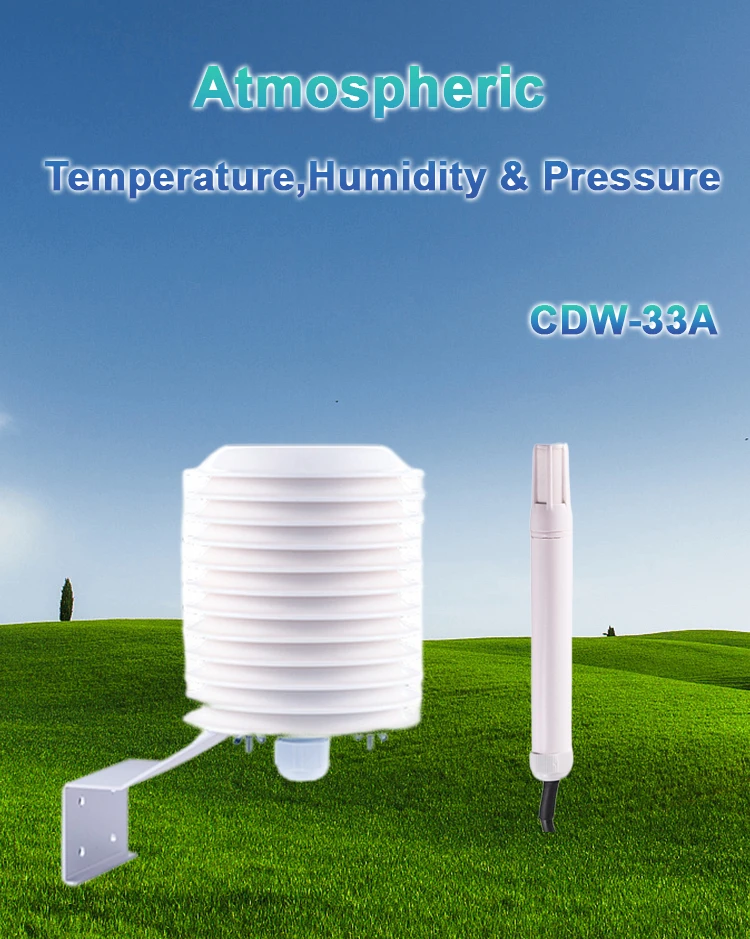
Weather Thermometers: Functionality and Why They Are Essential
Knowing how weather thermometers work can help you make better choices in your daily life and at work. A good weather thermometer is essential. It helps you get ready for outdoor activities.
It is also useful for managing complex projects. These tools help us track temperature changes. This makes us more prepared and improves our comfort.
Understanding Weather Thermometers
Weather thermometers are important tools. They help us measure and check the temperature. And they come in many kinds and have different uses.
They can be used for personal use or work needs. Getting to know the different types can help you choose the one that fits your needs.
How Weather Thermometers Operate
Looking at how different weather thermometers work helps us understand their methods.
Mercury Thermometers: These old thermometers work by using thermal expansion and contraction. Changes in temperature cause the mercury in the glass tube to expand or shrink.
This shows the temperature based on where the mercury is. Mercury thermometers are very accurate, but they are fragile. They also raise safety concerns because mercury is toxic.
Digital Thermometers: Digital thermometers use sensors to measure temperature. They change temperature changes into electrical signals. These signals are shown on a screen.
They are great for accuracy and easy to use. This makes them good for both indoor and outdoor use. They are also safer and last longer than mercury thermometers.
Infrared thermometers gauge temperature by sensing objects’ infrared emissions. This allows for non-contact measurements.
This type is widely used in healthcare to check body temperature. It is also used in industries to check machines. It gives fast readings without having to touch anything.

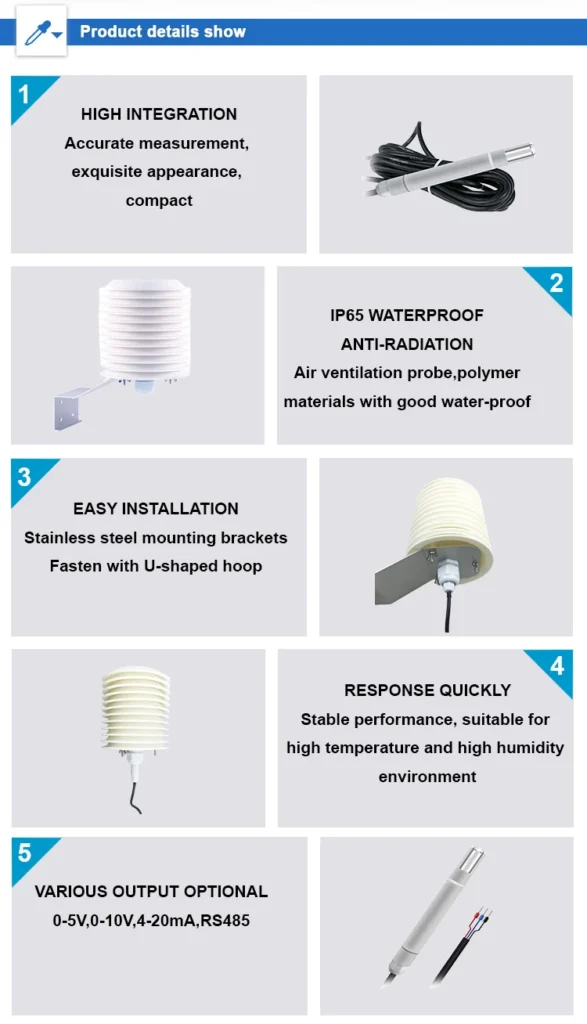
The Science Behind Temperature Measurement
Temperature measurement comes from thermodynamic principles. These principles involve the study of heat, temperature, energy, and work. Temperature quantifies the average energy of particles within a material. The Celsius scale relies on water’s freezing and boiling points as its foundation. The Fahrenheit scale is mainly used in the United States.
Why Owning a Weather Thermometer Matters
Weather thermometers prove their worth across personal and professional domains:
Personal Applications:
At home, these devices help make the indoor air comfortable. They also help plan outdoor activities better. They are important for health. And they help check room temperature and choose good times to go outside.
Professional Use:
Many industries need accurate temperature readings. Farmers use weather thermometers to decide when to plant and harvest crops.
Construction workers check the environment to stay safe while working on projects. Marine travelers need accurate data to predict weather patterns. This helps them navigate safely.


Analyzing Pros and Cons Across Types
Each type of weather thermometer has its own benefits and downsides.
Accuracy and Precision:
– Mercury Thermometers: They are known for being accurate. However, they can break and spill mercury, which is dangerous. They are less frequent now because of safety issues.
– Digital Thermometers: Highly reliable and durable but sometimes come at a higher price point.
– Infrared Thermometers: It’s quick and easy to use, but it might struggle to detect small temperature differences accurately.
Ease of Use:
– Mercury Thermometers: Simple readings need careful handling. They are fragile and can be harmful.
– Digital Thermometers: Easy to use, providing quick results that are perfect for daily use.
– Infrared Thermometers: It is convenient and fast, but it can be hard to measure small or shiny surfaces accurately.
Cost and Maintenance:
– Mercury Thermometers: They are more expensive and need careful handling. They last a long time, but they also have safety risks.
– Digital Thermometers: The price is fair, and it requires little upkeep. It might need some changes now and then, but it lasts a long time.
– Infrared Thermometers: Affordable at first and needs little maintenance. Regular cleaning and calibration help it work well.
Real-World Applications and Case Studies
Weather thermometers serve essential roles across various contexts:
Home Weather Stations:
Modern home weather stations often use digital thermometers. They give a full range of data like temperature and humidity.
Weather Research:
Researchers use advanced thermometers to gather important data for climate studies and weather analysis.
Weather Prediction:
Meteorologists rely on precise temperature data to anticipate weather trends and deliver dependable forecasts.
Case Study:
A great example is how they are used in the marine sector. The Port of Los Angeles employs sophisticated weather thermometers to monitor temperature fluctuations impacting shipping and logistics. It is important to know the right temperature for managing cargo schedules. This keeps items safe while they are being handled.


The Future of Weather Thermometers
New technology is making weather thermometers work much better. Smart thermometers that connect to the Internet of Things (IoT) can send temperature updates to smartphones in real time.
This allows for remote monitoring and instant alerts. Wearable thermometers are getting popular for tracking body temperature. This is especially true in healthcare and fitness. In these fields, accuracy is very important.
Integrating Weather Thermometers into Daily Life
In summary, weather thermometers are very useful tools. They can improve both personal life and work life. A good weather thermometer provides the information you need. It helps keep you safe and comfortable.
It also supports smart choices. Adding one thing to your daily routine can help you be more ready and make better decisions.