


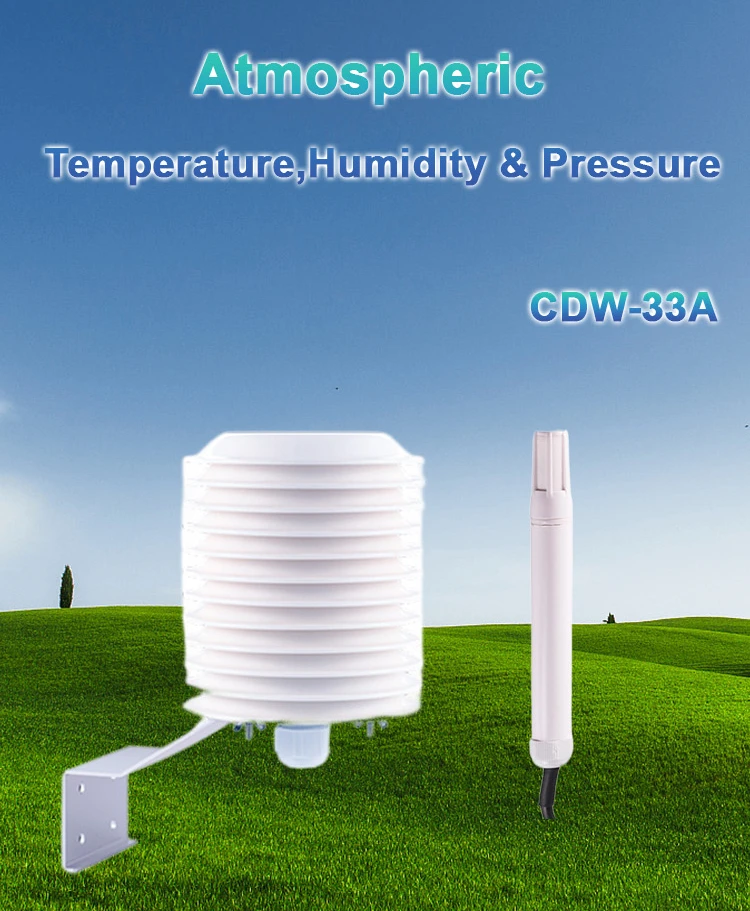
Weather station with barometric pressure sensor
Weather stations with barometric pressure sensor help track the weather. They collect key information on temperature, humidity, wind speed, rainfall, and air pressure. These systems are used by weather experts, researchers, and weather enthusiasts.
They help us see patterns and understand local weather more clearly. You can set them up for personal use at home or in schools. They can also be used on a larger scale for scientific research and accurate weather forecasting.

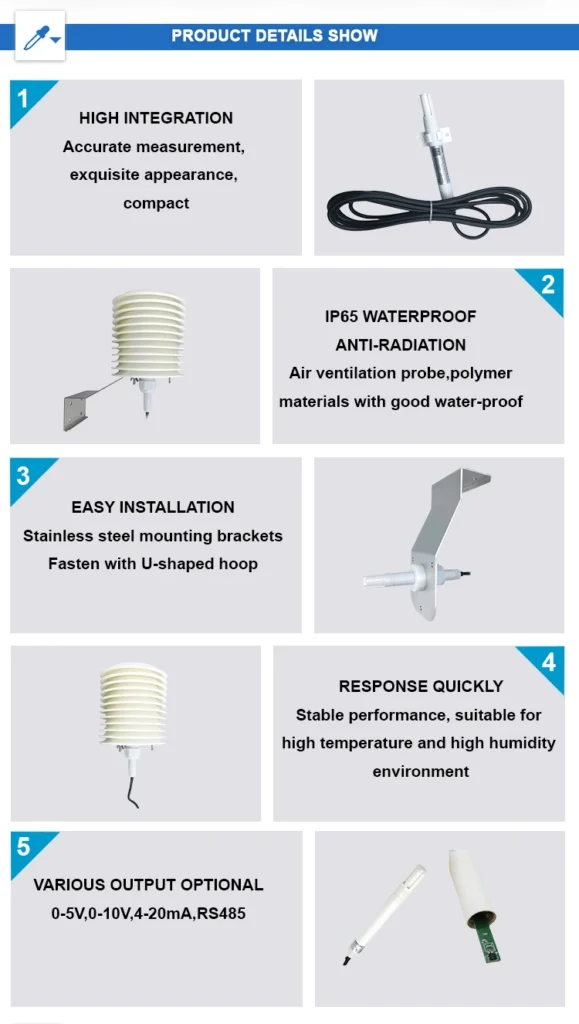
Barometric Pressure Sensor
A barometric pressure sensor, also called a barometer, measures the pressure of the atmosphere. This is the force from the weight of air at a certain point. These sensors can sense changes in pressure. They change these measurements into units like pascals (Pa), millibars (mb), or inches of mercury (inHg).
Barometric pressure sensors help us predict and understand the weather. Changes in atmospheric pressure are closely linked to weather events like storms and temperature shifts.
Benefits and Applications of Weather Stations with Barometric Pressure Sensors
Weather stations with barometric pressure sensors give real-time readings of air pressure and other important weather data. Adding this sensor makes the station more useful in many ways:
1. Weather Prediction and Forecasting
– **Storm Detection**: Keeping an eye on barometric pressure helps us spot storms or low-pressure systems early. These are often shown by drops in pressure. High pressure often brings clear skies. This helps with better weather forecasts and alerts for severe events like hurricanes and thunderstorms.
– **Identifying Weather Fronts**: Changes in barometric pressure help us find the boundaries between air masses. These boundaries are called weather fronts. These insights help us predict rain, snow, or quick changes in temperature.
2. Altitude Measurement and Elevation Monitoring
– **Determining Altitude**: As air pressure drops at higher altitudes, barometric sensors are useful for estimating elevation. This is important for activities such as hiking, climbing, and flying. Knowing the altitude is essential for safety in these outdoor adventures.
– **Pressure Calibration**: Well-calibrated barometric sensors make topographic mapping, geological surveys, and remote sensing tasks more accurate.
3. Agriculture and Farming
– **Weather Management for Crops**: Farmers use weather stations that have barometric pressure sensors. These help them forecast changes in the weather.
This information is important for planning irrigation, planting times, and harvest schedules. Sudden changes in pressure can indicate upcoming weather. This weather may impact the health of crops.
– **Pest and Disease Prevention**: Changes in barometric pressure can sometimes predict good conditions for pests or plant diseases. This helps farmers take action to protect their crops.
4. Scientific Research
– **Climate Analysis**: These weather stations provide important data for climate studies. They track long-term trends in atmospheric pressure and how they relate to global climate change.
– **Geophysics and Seismology**: Atmospheric pressure changes can sometimes relate to seismic or geological events. Researchers use data from barometric sensors. They search for links between pressure changes and natural events like earthquakes.
5. Personal and Educational Use
– **Home Weather Tracking**: Personal weather stations let people who love weather keep an eye on local conditions. They can also track real-time changes in air pressure.
– **Learning Tools**: In schools and educational centers, weather stations help students learn about weather science. They learn to gather data and study basic weather science.

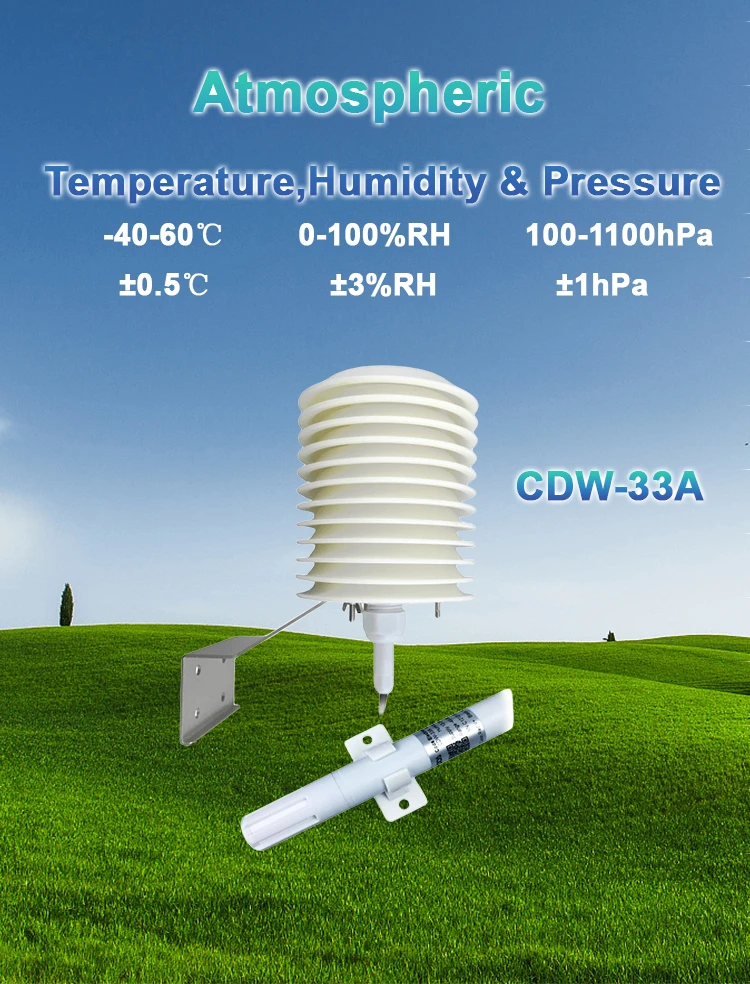
Overview
Weather stations with barometric pressure sensors are key tools for tracking the weather accurately. By measuring air pressure, they give useful information about storm warnings, changing weather fronts, and overall climate trends.
Their importance includes many areas, such as weather, farming, science, and personal tracking. This helps people make smarter choices and manage weather better.
These advanced systems are important for both experts and hobbyists. They help us understand our surroundings better. They also help us react well to the weather.