


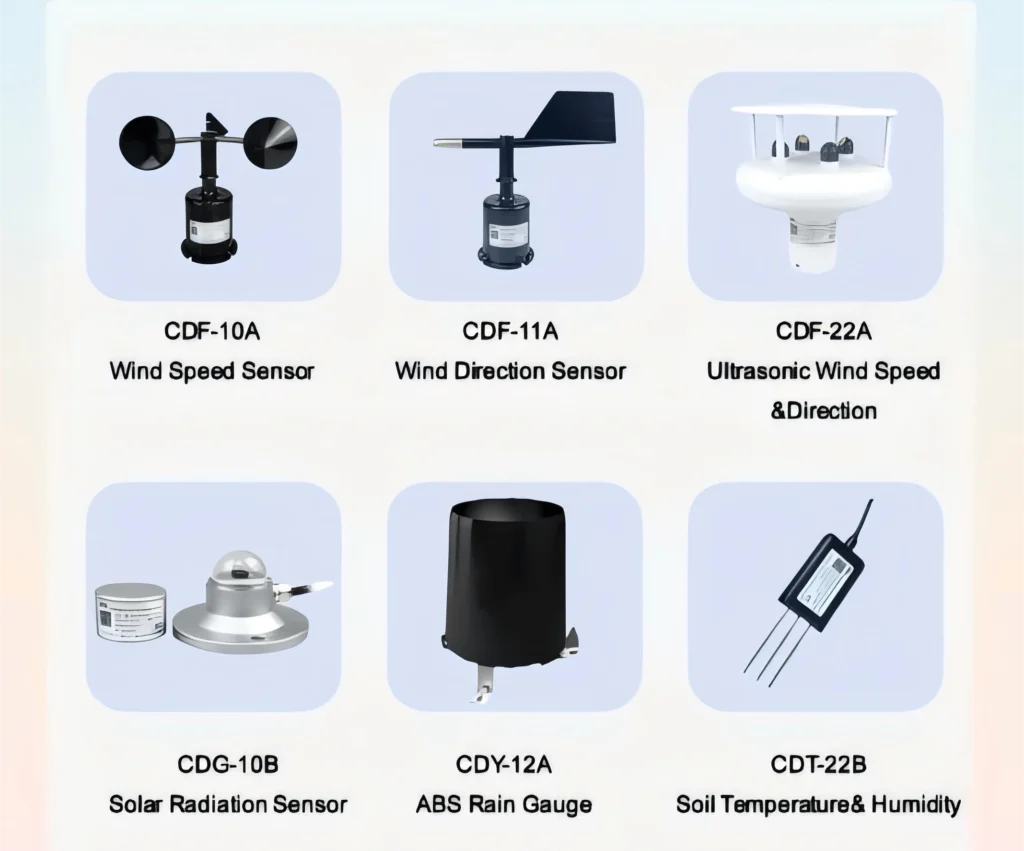
Types of Rain Sensors
**Introduction**
Rain sensors are vital for weather monitoring, farming, and flood prevention. These devices come in many types. Each type has its own way of working. Each has strengths, limits, and specific use cases.
This overview explains the main types of rain sensors.
These include tipping bucket rain gauges, capacitive sensors, and optical sensors.
They also include piezoelectric sensors, ultrasonic sensors, and radar rain gauges.
Weighing rain gauges are also included.

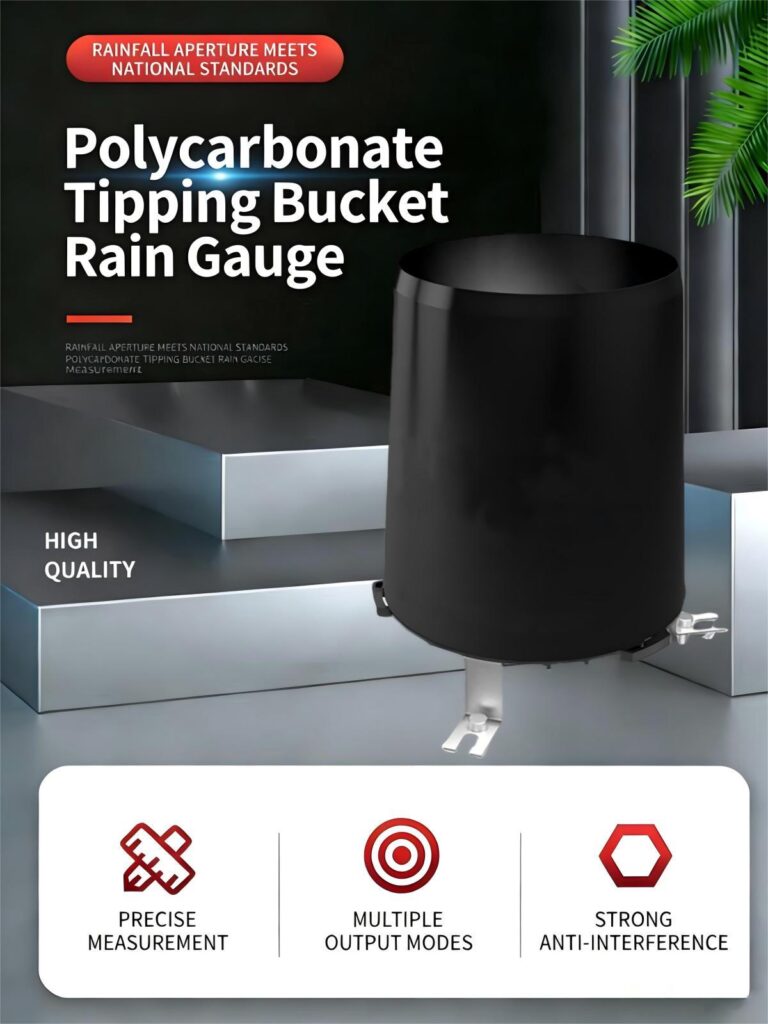
**1. Tipping Bucket Rain Gauge (Tipping Bucket Rain Sensor)**
**Working Principle**
A tipping bucket rain gauge collects rainwater through a funnel. Once a set amount of water, often 0.2 mm, collects, the funnel tips a small bucket.
This creates an electronic signal. Each tip marks a rainfall event, allowing for precise monitoring over time.
**Benefits**
– **Simple Design**: Its simple structure makes it easy to build and maintain.
– **Reliability**: Known for long-term stability, it is often used in weather stations.
– **Cost-Effectiveness**: Affordable when compared to other advanced sensor technologies.
**Disadvantages**
– **Wind Influence**: Strong winds can splash water or blow it away. This can reduce measurement accuracy.
– **Maintenance Needs**: Regular cleaning is necessary to prevent blockages caused by debris.
– **Errors in Heavy Rain**: Intense rain could cause data loss or delays due to frequent tipping.
**Role and Value**
– Provides key data for weather forecasts and water analysis.
– Supports flood warning systems by tracking water levels in rivers and lakes.
**Application Scenarios**
– Widely used in national and local weather stations.
– Essential for managing farm irrigation and optimizing water resources.
– Installed at hydrological observation stations to monitor rainfall in watersheds effectively.
**2. Capacitive Rain Sensor**
**Working Principle**
The capacitive rain sensor works by sensing changes in capacitance, since water has a higher dielectric constant than air. When rainwater collects on the sensor’s surface, the altered capacitance allows it to measure rainfall accurately.
**Benefits**
– **Non-Contact Measurement**: No direct water exposure reduces wear and lowers maintenance needs.
– **High Sensitivity**: Effectively detects even small amounts of precipitation. It is suitable for continuous data collection.
– **Rapid Response**: Quick to detect when rain starts. Ideal for real-time monitoring systems.
**Disadvantages**
– **Environmental Sensitivity**: Factors like temperature and humidity can affect measurements, so you may need occasional recalibration.
– **Error in Light Rainfall**: Accuracy may drop during very light rain or snow.
**Role and Value**
– Widely used in precision farming to optimize irrigation systems and improve crop management.
– Offers high-resolution precipitation data. It helps weather stations produce accurate forecasts.
**Application Scenarios**
– Enables smart irrigation control systems for better water use in agriculture.
– Integrated into automation systems for controlling equipment such as window shutters or awnings based on rainfall detection.

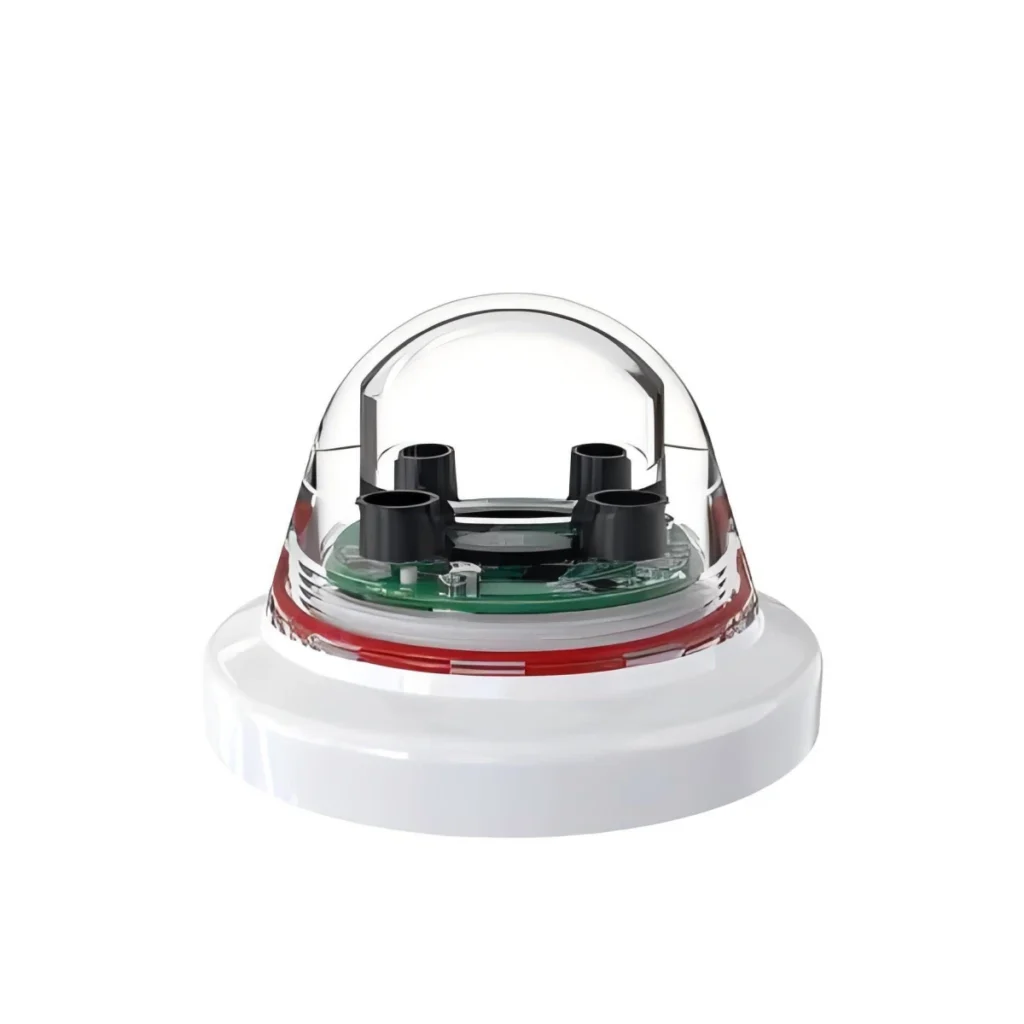
3.Optical Rain Sensor
**Working Principle**
The Optical Rain Sensor detects raindrops by utilizing a beam of light. When a raindrop blocks the beam, it changes the light pattern. This lets the sensor measure rainfall intensity and amount from those changes.
**Advantages**
– Lack of Moving Parts: The design removes mechanical parts. This lowers failure risk and reduces maintenance needs.
– High Accuracy: Accurately measures rainfall intensity and can tell the difference between rain and snow.
– Quick Detection: Responds quickly to rainfall events, making it suitable for real-time use.
**Limitations**
– Light Interference: Outside light sources, like sunlight or lamps, may cause false readings.
– Debris Impact: Dust, insects, or other particles can block the light beam. This can cause inaccurate results.
**Role and Significance**
– Smart Transportation Systems: Provides accurate rainfall data to help optimize traffic flow. It also improves safety in transportation networks.
– Outdoor Activity Monitoring: Provides weather alerts to help keep outdoor events safe.
**Application Scenarios**
– Traffic Systems: Automatically adjusts traffic signals to cut accident risks during rain.
– Event Planning: Delivers weather updates for sports, concerts, and outdoor events to help them run smoothly.
4.Piezoelectric Rain Sensor (Piezoelectric Rain Gauge)
**Working Principle**
This sensor uses piezoelectric materials that create an electric signal when raindrops deform its surface. By analyzing these signals, it finds raindrop size and rainfall intensity.
**Advantages**
– Rapid Reaction: Quickly detects raindrop impacts. This makes it ideal for dynamic monitoring.
– High Accuracy: Accurately measures precipitation volume and intensity, supporting scientific research.
– Absence of Moving Parts: A design without moving parts reduces maintenance needs and lowers the risk of failures.
**Limitations**
– Material Changes: Piezoelectric materials can degrade over time or from temperature changes, which may reduce accuracy.
– Temperature Sensitivity: Environmental temperature changes can affect sensor reliability.
**Role and Significance**
– Rainfall Analysis: Contributes to understanding rainfall patterns and intensity to model climate trends.
– Environmental Surveillance: Monitors rain-related environmental impacts. Helps ecological preservation initiatives.
**Application Scenarios**
– Research Institutions: Used to study climate change and precipitation patterns.
– Environmental Monitoring: Supports ecosystem management by tracking rainfall’s influence on local habitats.
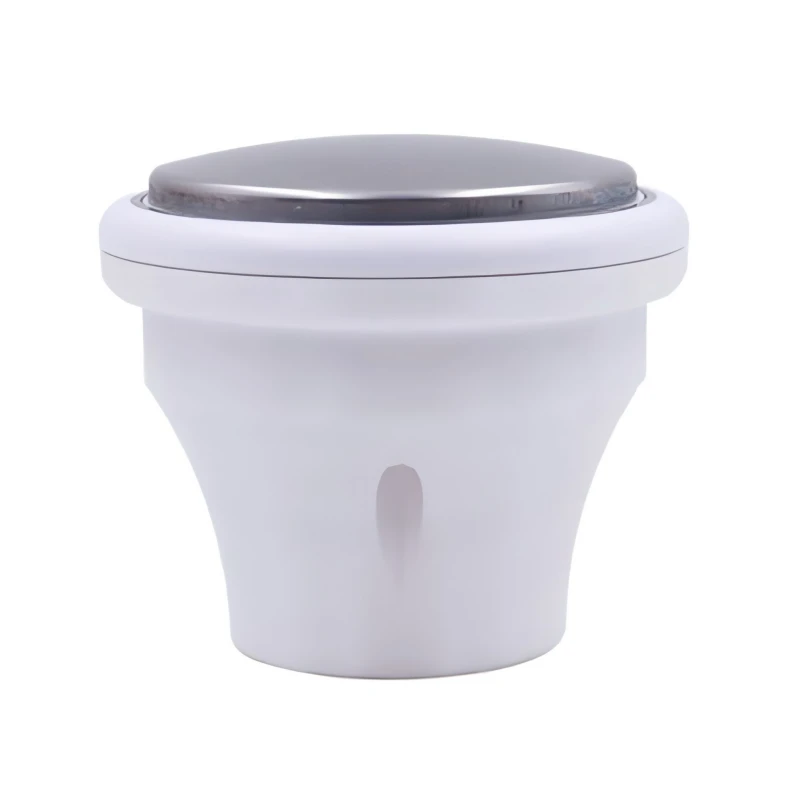
5.Ultrasonic Rain Sensor (Ultrasonic Rain Gauge)
**Working Principle**
The Ultrasonic Rain Sensor works by sending ultrasonic pulses toward raindrops and measuring how long they take to return. This data is analyzed to measure the amount of rainfall.
**Advantages**
– Contact-Free Operation: Measures rainfall without direct exposure. This reduces maintenance needs.
– Remote Measurement: Capable of measuring rainfall from a distance, making it ideal for wide-area monitoring.
– Environmental Adaptability: Operates well in tough conditions, enabling remote work even in harsh settings.
**Limitations**
– Wind Influence: Susceptible to errors when wind or airborne particles affect the sensor’s readings.
– Challenging Conditions: Extreme weather, like strong winds or sandstorms, can make measurements less reliable.
**Role and Significance**
– Remote Weather Observation: Supplies steady rainfall data to far weather stations for forecasting.
– Forest Surveillance: Provides insights into forest rainfall patterns. It helps fire prevention plans and supports ecosystem conservation efforts.
**Application Scenarios**
– Remote Weather Stations: Enables monitoring of weather conditions in uninhabited or deserted areas.
– Forest Monitoring Facilities: Tracks rainfall in forests to protect wildlife habitats and support fire management.
6. Radar Rain Gauge (Radar Rain Sensor)
**Working Principle of the Radar Rain Gauge**
The Radar Rain Gauge uses radar to detect rain particles in the air. When the radar beam hits raindrops, the drops scatter the beam. The radar system captures scattered signals to analyze rainfall intensity, distribution, and movement direction.
**Advantages of the Radar Rain Gauge**
– **Extensive area coverage**: It can monitor rainfall across large regions. This makes it suitable for regional weather forecasts.
– **High precision**: Capable of measuring rainfall intensity and distribution to improve detailed weather forecasts.
– **Multi-level monitoring**: Enables detection at many altitudes, providing full 3D rainfall data.
**Disadvantages of the Radar Rain Gauge**
– **High cost**: It needs complex equipment and technology, with high upfront costs and ongoing maintenance expenses.
– **Technical complexity**: Skilled staff are needed for operation and maintenance. This creates a high technical barrier.
**Role and Value of the Radar Rain Gauge**
– **Weather forecasting**: Provides accurate rainfall data to meteorological services, supporting short-term and long-term weather forecasts.
– **Disaster early warning**: Supports early warning systems for floods, storms, and other extreme events. This allows people to take action sooner.
**Radar Rain Gauge Applications**
– **Meteorology**: Used widely by national and local weather agencies.
– **Aviation industry**: Provides vital weather data to help ensure flight safety.
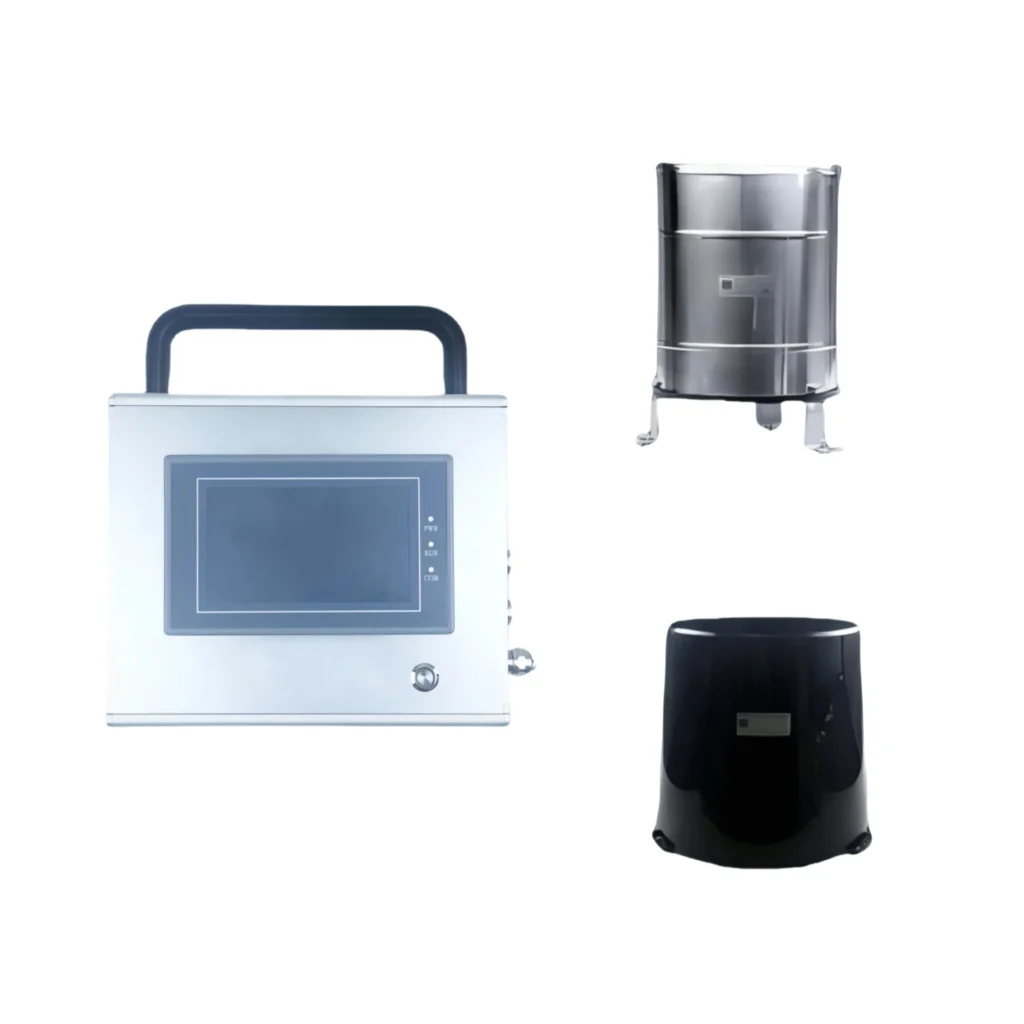
7. Weighted Rain Gauge (Rainfall Weighing Sensor)
**Working Principle of the Weighing Rain Sensor**
The Weighing Rain Gauge measures precipitation by weighing the rainwater it collects. It can record both liquid and solid precipitation. It also logs the start and end times of rainfall events.
**Advantages of the Weighing Rain Sensor**
– **Exceptional accuracy**: Offers precise measurements, especially effective for snowfall analysis.
– **Long-term reliability**: Designed for long monitoring periods. It ensures stable data collection over time.
– **Environmental resilience**: Unaffected by wind or temperature changes, it ensures reliable measurements.
**Disadvantages of the Weighing Rain Sensor**
– **Sensor drift**: Accuracy can decline over time unless you calibrate it regularly.
– **Maintenance needs**: Routine cleaning and maintenance are needed. This helps keep debris from hurting performance.
– **Higher costs**: Typically costs more than other rain sensor types.
**Role and Value of the Weighing Rain Sensor**
– **Hydrological research**: Provides accurate rainfall data needed to manage water resources well.
– **Climate studies**: Supports long-term trend analysis in climate change research efforts.
**Weighing Rain Sensor Applications**
– **Research institutions**: Essential for climate studies and long-term rainfall trend analysis.
– **Water resource management**: Monitors changes in water volume in rivers, lakes, and other bodies to support sustainable water use.
**Conclusion**
Rain sensors come in many types. Each type meets specific needs in environmental monitoring, weather forecasting, and resource management. While each sensor type has its own strengths and limits, using them together helps us track rainfall impacts.
A careful choice of the right sensor helps collect accurate data and supports informed decisions across many uses. It also supports sustainable practices in many industries.
Summary of Key Points
– **Tipping Bucket Rain Gauge**: Simple design with reliable performance. It is widely used in weather and hydrological monitoring.
– **Capacitive Rain Sensor**: Highly sensitive with touch-free measurement. Ideal for precision farming and real-time rainfall monitoring.
– **Optical Rain Sensor**: Accurate with no moving parts. Ideal for smart transport systems and outdoor event management.
– **Piezoelectric Rain Sensor**: Rapid response; ideal for scientific research and real-time environmental monitoring.
– **Ultrasonic Rain Sensor**: Non-contact with long-range monitoring; perfect for remote areas and harsh conditions.
– **Radar Rain Gauge**: Covers large areas with high accuracy. Ideal for broad weather forecasts and disaster alerts.
– **Weighing Rain Gauge**: Delivering high precision for long-term analysis. It is commonly used in scientific studies and water management.
By using different types of rain sensors based on specific needs, we can respond better to climate changes. We can also improve water use and support sustainable social development.