

The Important Role of Tipping Bucket Rain Gauge Sensors
1. Introduction
Farming depends a lot on the weather. Rainfall is an important part of the weather. It affects how crops grow, their yield, and how efficiently they are produced.
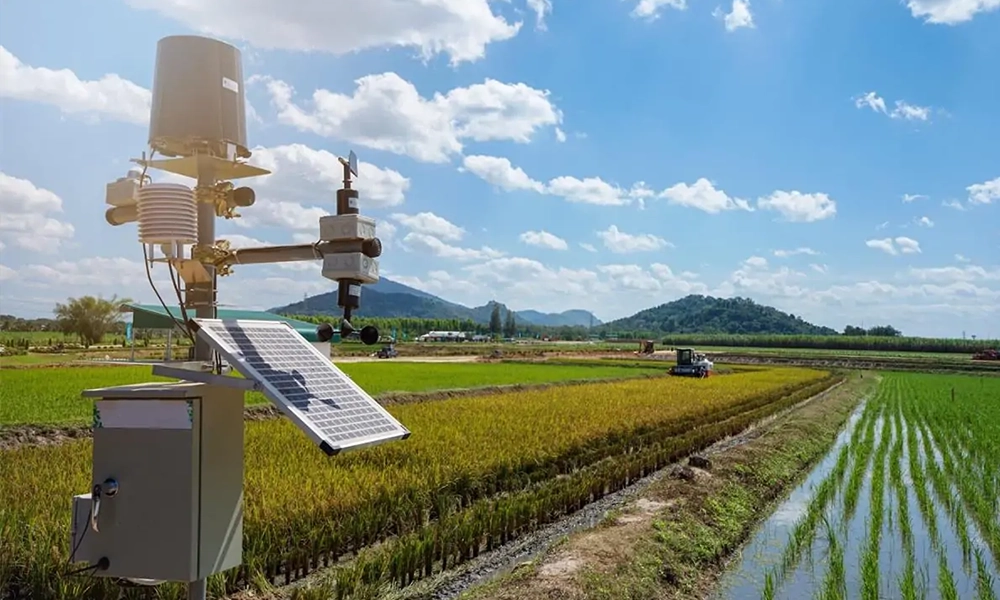
Agricultural meteorological stations are the “weather watchers” for farming. They watch and study weather data to help with farming activities.
The tipping bucket rain gauge sensor is an important part of their monitoring tools. The product has a simple design. It is very accurate and performs steadily.
It requires little maintenance. This is important for running a farm. It helps stop weather disasters and supports eco-friendly farming.
This article provides a brief summary of how it works and what its structure is. It shows its main role in weather stations for agriculture. This provides a guide for using it wisely in smart farming.

2. Overview of Tipping Bucket Rain Gauge Sensors
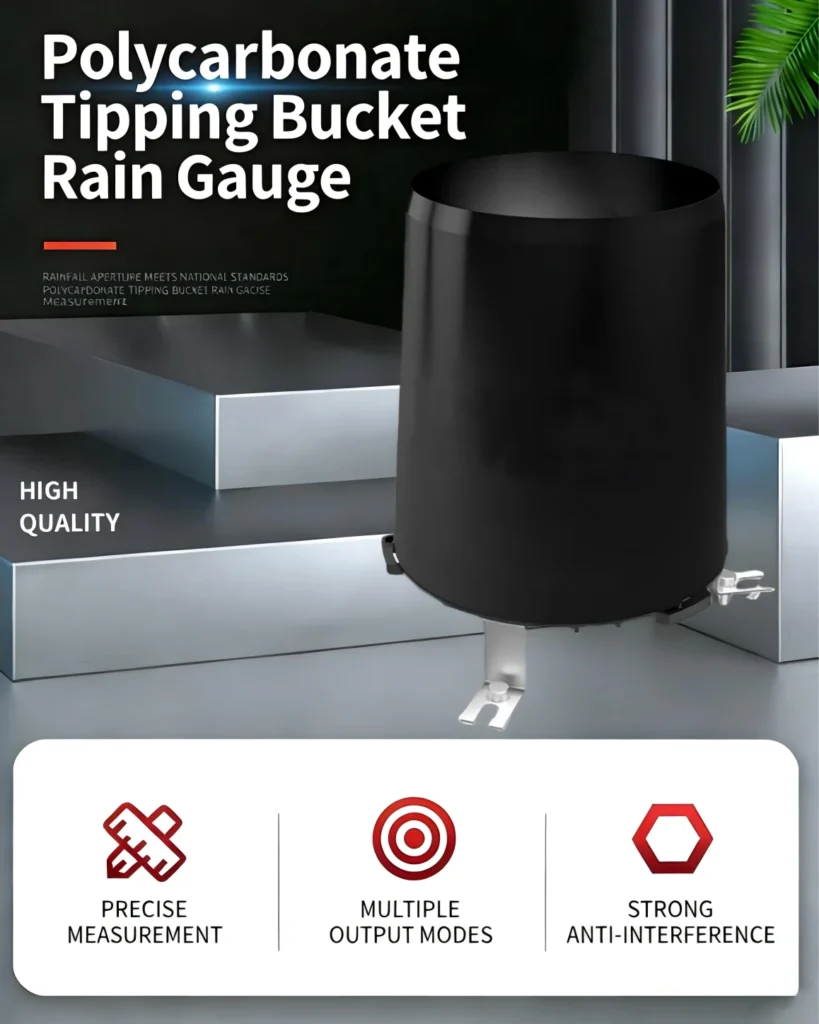
The tipping bucket rain gauge is a special tool. It measures natural rainfall for weather and water studies. It changes collected rainfall into digital electrical signals.
This helps with sending, processing, and recording data. It meets the needs for real-time monitoring and long-term data collection in agriculture, weather, and water studies.
Unlike piezoelectric, capacitive, and optical rain sensors, this one uses a mechanical measurement method. It has a simple structure, is very reliable, costs less, and is easy to maintain. This is the best equipment for measuring rainfall at many farm weather stations. It is very helpful for large farms and small to medium-sized farms.
2.1 Working Principle of Tipping Bucket Rain Gauge Sensors
The main working principle of the tipping bucket rain gauge sensor is simple. It uses a tipping bucket to measure rainfall. This bucket converts the rain into electrical signals through three important steps.
First, rainwater goes into the sensor’s water-collecting funnel. This funnel is usually made of smooth polycarbonate or stainless steel. These materials help prevent water from sticking.
The funnel has a diameter of 200mm. It meets World Meteorological Organization standards for good and even collection.
The collected rainwater flows steadily into the lower tipping bucket. This bucket is a light, mechanical structure made of aluminum alloy. It has two equal chambers separated by a baffle.
When rainwater in one chamber reaches a set level (usually 0.1mm or 0.2mm of rain), the tipping bucket flips. This happens because of a shift in center of gravity. The bucket pours out water while the other chamber begins to collect.
Flipping makes a pulse signal with a magnet and a reed switch. Each pulse matches a set amount of rainfall, like 0.1mm. A data collector counts the pulses. This helps to find the total rainfall and its intensity.
2.2 Key Structural Components
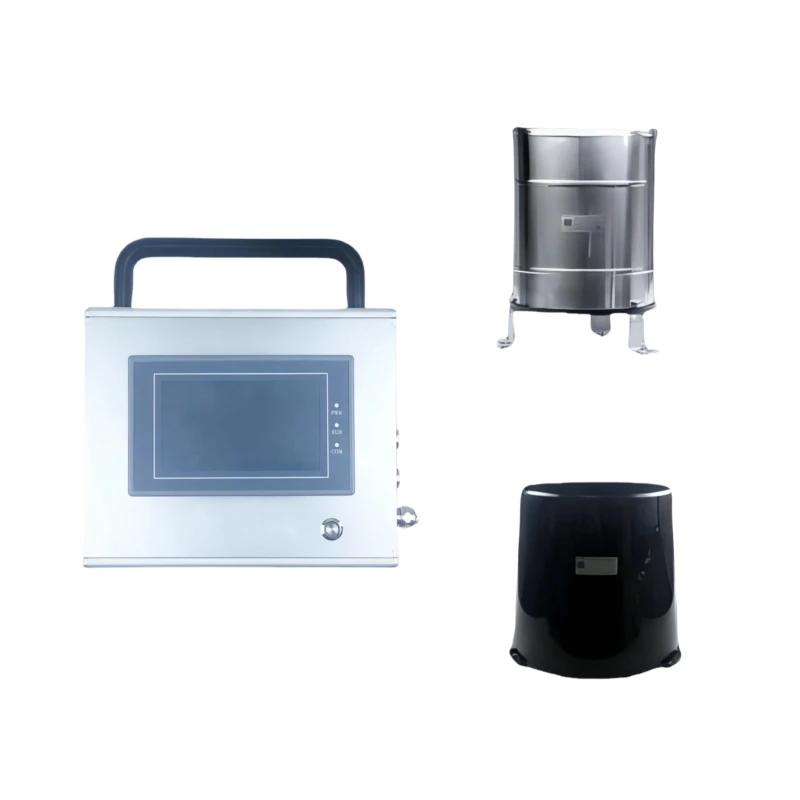
The tipping bucket rain gauge sensor has precise mechanical parts and electronic modules. Its stable operation depends on the coordination of these components. The water-collecting funnel is key for gathering rainwater. Its size and material help it work well and resist wind and dust.
The tipping bucket is a key part of the measurement system. Its bracket and bearing affect how well it measures and stays stable. Low-friction bearings, like gem bearings, help reduce wear and increase service life.
The signal output module includes a reed switch, a magnetic sensitive switch, and transmission lines. It changes mechanical flipping into electrical signals that can be sent. Some models also have lightning protection for outdoor use.
The shell has IP65+ protection. This makes it both dustproof and waterproof. It works well in tough outdoor conditions. The adjustable base can be installed horizontally. This helps to avoid measurement errors.
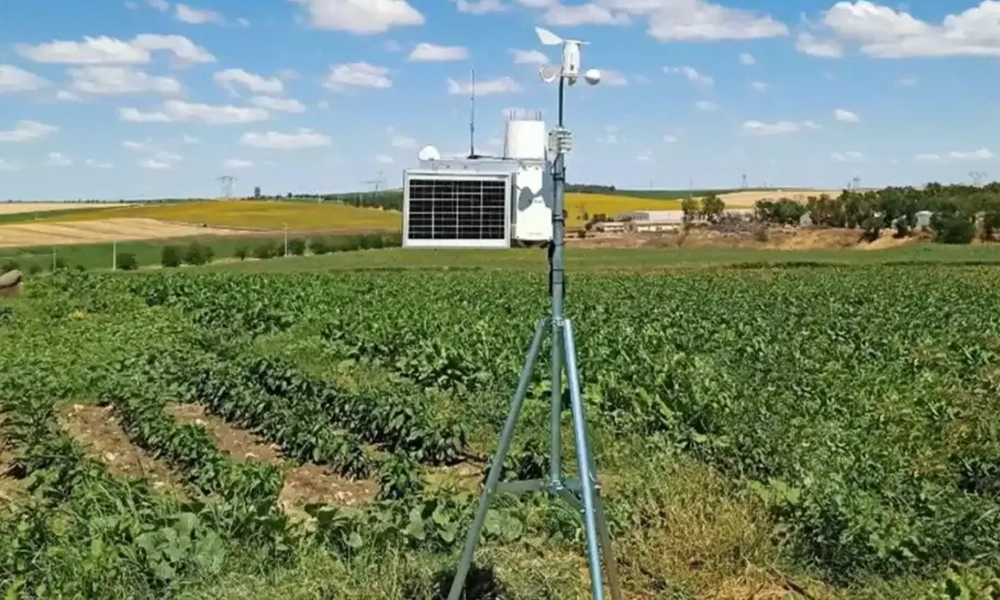
Advanced models may use wireless transmission like LoRa, NB-IoT, or 4G. They can also have solar power modules for remote, unattended field work.
2.3 Main Technical Parameters and Performance Characteristics
The design of the tipping bucket rain gauge sensor impacts its use in weather stations for agriculture. Its measurement range goes from 0-4 mm/min to 0-12 mm/min. This range includes all types of rainfall, from light drizzle to heavy rain.
Indoor calibration accuracy is ±2%. Outdoor long-term accuracy is ±4%. This is enough for making irrigation decisions and monitoring crop growth.
With a resolution of 0.1mm or 0.2mm, it measures small amounts of rainfall. This is important for seed germination.
It works well in temperatures from -40℃ to +60℃. Some models can handle -50℃ to +70℃. It adapts to different climates. Its IP65+ protection keeps it safe from high humidity, dust, and heavy rain.
It runs on 12V DC or solar power for field use. And it sends pulse or 485 signals and connects easily to weather station equipment. – The main benefits are easy maintenance.
– It has a low failure rate.
– Data reliability is high.
– It provides quick real-time responses.
– It uses low power for long-term operation without supervision.

3. The Status and Function of Agricultural Meteorological Stations
Agricultural meteorological stations are important for modern farming. They use precise equipment to monitor environmental factors. These factors include temperature, humidity, wind, rain, soil conditions, and light.
They use data analysis to support farming. They monitor weather in real-time and give early warnings. This helps guide scientific farming. It also helps manage resources better, lowers losses from disasters, and boosts yield and quality.
Rainfall is important for crop growth. It is the main water source for crops. It is also linked to drought, floods, soil erosion, and crop diseases.
Rainfall monitoring is a key job for agricultural weather stations. The accuracy of this data directly impacts their service quality.
The tipping bucket rain gauge sensor is key for rainfall monitoring. It collects and converts data. This helps track rainfall reliably. It also links weather data to actual farming results.
4. The Important Role of Tipping Bucket Rain Gauge Sensors in Agricultural Meteorological Stations
In agricultural weather stations, the tipping bucket rain gauge is more than just a tool. It helps with better management, disaster prevention, and scientific decision-making.
Its role includes managing crop growth, water use, disaster alerts, and planning for production. This is mainly seen in these areas.
4.1 Providing Accurate Rainfall Data for Crop Growth Monitoring
Crop growth depends a lot on rainfall. Different crops and growth stages need different amounts of water. Too little or too much rain can lower yield and quality.
The tipping bucket rain gauge sensor monitors rainfall on farmland. It records total rainfall, intensity, duration, and frequency in real time. The sensor sends this data to the meteorological station’s analysis system.
Technicians use this data along with crop growth and soil moisture. They check if there is enough water, see how rainfall affects crops, and make specific suggestions.
For example, its high resolution records small amounts of rainfall (0.1-0.5mm). This is important for wheat and corn germination.
It helps manage extra watering. Current data shows when heavy rain is likely. These risks include poor ventilation, diseases, and lodging during crop heading and filling.
This information leads to better drainage and field management. Long-term data helps us study regional rainfall patterns. This helps in choosing the right crop types and changing planting methods to improve production stability.
4.2 Guiding Scientific Irrigation and Optimizing Agricultural Water Resource Utilization
Water resources are very important for farming. However, poor irrigation practices waste water. This can lead to soil salinization and compaction.
The tipping bucket rain gauge sensor gives real-time and accurate rainfall data. This helps solve the problem and improves water use.
The meteorological station uses rainfall data, soil moisture, and crop water needs. It calculates water shortages for farmland.
Then, it creates smart irrigation plans. This helps with focused watering. It means giving more water during dry times and stopping when it rains.
In dry North China, real-time rainfall monitoring sends irrigation reminders. It also calculates the right amount of water needed. This helps use water-saving methods like drip and sprinkler irrigation. These methods can save over 30% of water compared to flood irrigation.
Advanced stations connect sensors to smart irrigation systems. These systems automatically change the watering time and amount based on real-time rainfall. This allows for unattended operation, boosts efficiency, cuts labor costs, and supports water-saving and smart farming.
4.3 Early Warning of Agricultural Meteorological Disasters and Reduction of Disaster Losses
Agricultural weather disasters, like droughts, floods, and waterlogging, lead to big drops in crop yields and economic losses. The tipping bucket rain gauge sensor is important for early warning. It monitors rainfall changes in real-time. This helps us take preventive measures ahead of time.
For flood and waterlogging, it checks the amount and intensity of rainfall. If it goes over a set limit, like 30mm/h, the station sends out early warnings. This helps with drainage, early harvests, and strengthening greenhouses.
These actions are important in southern rice-growing areas during the rainy season. They help reduce damage from waterlogging. To track drought, we collect long-term rainfall data.
When rainfall is much lower than the average and soil moisture is low, we issue drought warnings. These warnings help us save water and keep the soil moist. This ensures that crops can grow normally.
4.4 Supporting Agricultural Production Planning and Regional Agricultural Development
Long-term rainfall data from the tipping bucket rain gauge helps with planning for farming and regional agricultural growth. Agricultural departments and farmers use past rainfall data to create yearly planting plans.
They choose crops that can handle droughts or floods based on local rainfall patterns. They also schedule sowing and harvesting times to avoid problems caused by bad rainfall.
To optimize regional agricultural layout, we use rainfall data. This data helps us divide production zones, like grain, cash crops, or forage. It guides better resource allocation and improves overall agricultural efficiency.
It also helps in making farming policies. Governments use rainfall data to make disaster relief plans. They also use it for projects that save water and for farming support. This supports balanced farming growth in various areas.

5. Application Advantages and Practical Promotion Value in Agricultural Meteorological Stations
The tipping bucket rain gauge sensor has clear benefits for agricultural weather stations compared to other rain sensors. Its simple design and low maintenance cost meet the needs of rural weather stations.
High accuracy and stability give reliable rainfall data for farming choices. Quick response and real-time data help monitor crop growth and warn of disasters. Low power use and ability to work with wireless and solar power suit remote operations.
Its practical promotion value is important. It is low-cost and works well for small and medium farms. It is also good for remote agricultural areas. Easy operation helps farmers learn basic usage and data reading.
This improves the spread of agricultural weather technology. It fits well with smart farming equipment. This helps change traditional farming into smart farming.
6. Conclusion
In agricultural weather stations, the tipping bucket rain gauge is key for measuring rainfall. It is essential for monitoring crop growth, guiding irrigation, warning about weather disasters, planning agricultural production, and supporting regional agricultural development.
Its simple structure and high accuracy make it useful in agricultural meteorology. It offers stable performance at a low cost. This provides reliable rainfall data for smart and sustainable farming.
As smart agriculture gets better, the tipping bucket rain gauge sensor will be improved. It will have higher accuracy and smarter data processing. This sensor will also work with more weather monitoring tools. It will help modernize farming and make sure we have enough food.