



Steps to Change a Malfunctioning Rain Sensor
Dealing with a broken rain sensor can be frustrating. This is especially true if you rely on it to turn off your sprinkler system when it rains. You can easily replace a broken rain sensor.
Here is a simple guide to help you trade your broken device for a new one. This will make sure your sprinkler system works well again and saves water.
Understanding the Role of a Rain Sensor
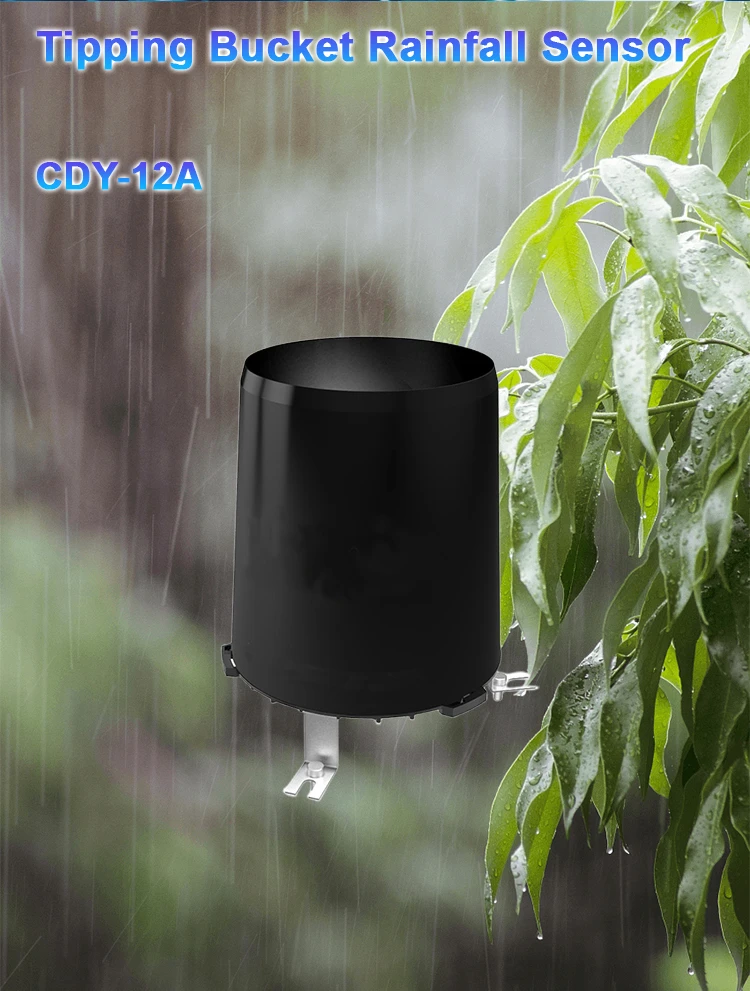
Before diving into the replacement process, it’s important to know what a rain sensor does. It’s a simple device that detects rain. It tells your sprinkler system to turn off. This stops overwatering, saves water, lowers your water bills, and protects your plants from too much water.
Rain sensors work by measuring the amount of water that collects on their surface. When the rain collected reaches a certain level, the sensor stops the irrigation system.
It will not water again until the area dries out. This small but powerful gadget helps manage water better. It also supports the health of your gard

Recognizing Signs of a Faulty Rain Sensor
Before you replace your rain sensor, check if it is working properly. A common sign is your sprinkler system running while it is raining. You may see areas in your lawn or garden that look overwatered. The sensor might not turn off watering even when it rains.
If you have noticed these problems, it’s time to get a replacement. Not paying attention to these signs can waste water, raise your water bills, and harm your yard.
Gather the Tools You’ll Need
Before starting, gather all the tools and materials required for the task:
– A new rain sensor (ensure it’s compatible with your sprinkler system)
– Screwdriver
– Wire strippers
– Wire connectors
– Ladder (if needed, depending on the sensor’s location)
Make sure the new sensor matches your system specifications for seamless operation. You can look at your sprinkler system’s manual or ask the manufacturer for help choosing the right model.
Steps to Replace Your Rain Sensor
With everything ready, follow these steps to install your new rain sensor:
1. **Turn Off the Power**
Always begin by turning off the power to your sprinkler system. This will reduce the risk of electrical hazards. Find the main power switch or circuit breaker and make sure it is turned off.
2. **Remove the Old Rain Sensor**
Find the current rain sensor and take it out gently. Use a screwdriver to remove it from where it is mounted. Once you detach it, disconnect any wires. Pay attention to how they are connected. This will help you install the replacement.
3. **Install the New Rain Sensor**
Position the new rain sensor in the same place where the old one was installed. “Use the screws or bolts given to secure it.” Connect the new device’s wires to the matching wires in your sprinkler system. Use wire connectors to make secure connections.
4. **Test Your New Sensor**
After you install the new sensor, check if it works properly. Turn your sprinkler system’s power back on. Then, test it by applying water to the rain sensor surface. Make sure it successfully turns off the sprinkler system.
5. **Adjust Sensor Settings (if applicable)**
Some rain sensors let you change how sensitive they are to rainfall. Look at the user manual for your new sensor. It will show you how to adjust these settings. This will help ensure the best performance and accurate rain level detection.
Maintaining Your Rain Sensor
After you replace your rain sensor, it is important to take care of it. This will help it work well. Here are some useful tips for taking care of your sensor:
– Clean the sensor surface regularly to remove dirt or debris that could interfere with its ability to detect rainfall.
– Check the sensor’s alignment. Make adjustments if needed to ensure it is in the right position to catch rain.
– Test the sensor regularly. This will ensure it works well and triggers the shut-off mechanism during rain.
– Check the sensor for any signs of wear or damage. If you see problems, replace the sensor quickly to prevent future issues.
By using these maintenance tips, you can extend the life of your rain sensor. This will help your sprinkler system work well for many years.


conclusion
Replacing your rain sensor when it stops working is an easy task. It greatly improves how well your sprinkler system works. To understand how a rain sensor works, look for signs of failure. Gather the tools and materials you need.
Then, follow the step-by-step guide to replace it. This will help you restore its function quickly. Regular maintenance of the sensor is important. It helps save water and keeps your lawn and garden healthy.