

Sensors in Agriculture: A Game-Changer for Modern Farming
Agriculture is a critical industry that faces an array of challenges. From sudden labor shortages and changing weather to poor soil caused by weak land management, these problems make farming harder. However, new advances in technology have added a useful tool to help solve many of these issues: agricultural sensors.
This guide looks at how sensors help in farming. It highlights the best sensor types and their uses. It also explains the many benefits they bring to precision farming.
What Are Agriculture Sensors?
In simple terms, a sensor is an electronic device. It detects specific environmental conditions. It then converts them into electrical signals or other readable outputs. These outputs can be analyzed or processed to help make informed decisions.
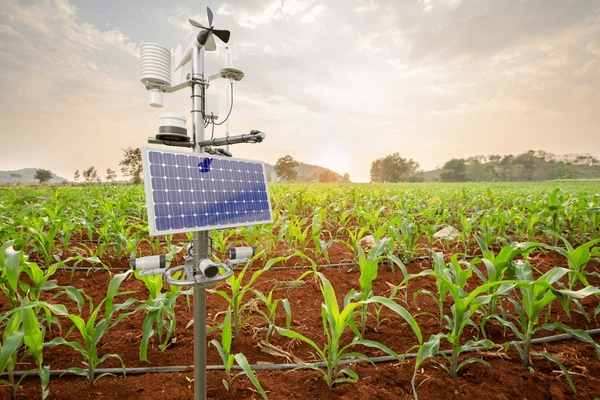
Agricultural sensors monitor soil conditions, plant health, and environmental factors. They provide real-time data to improve farming operations.
With the rise of the Internet of Things (IoT), sensors now reach many industries, including agriculture. IoT technology lets sensors collect data from many places on farms. It then sends that data to a central hub. This connection helps farmers use data-based plans to boost productivity and support sustainability.
For instance, a soil moisture sensor might be installed with probes embedded in the ground. These probes collect accurate soil moisture data and convert it into an easy format for farmers. Most farm sensors have two main parts: a probe or interface that touches soil or plants, and a display. The display shows the data collected.
For example:
– **Soil and crop monitoring**:
Sensors measure soil conditions such as pH, moisture, and nutrient levels. They also assess plant health, including growth rates and stress signs.
– **Resource optimization**:
By finding resource gaps, like low nutrients in certain fields, sensors help farmers change their plans. For instance, they may rotate crops or use targeted fertilizer.
– **Predictive planning**:
With complete farm data, farmers can better predict future needs. They can see which fields are ready to plant. They can also choose crops that fit local weather patterns.
By enabling precision farming, IoT sensors help farmers care for crops and fields better while using resources more efficiently. With data from these devices, farmers can focus on what matters most and cut waste.

Best Types of Agriculture Sensors
There is no “one-size-fits-all” solution when it comes to agricultural sensors. The choice depends on your needs for crop types, field conditions, and farming goals. Below are six popular types of sensors that deliver valuable insights for modern farming:
1. **Optical Sensors**
Optical sensors measure environmental conditions using light. Typically mounted on mobile platforms like vehicles, drones, satellites, or robots, these sensors study soil reflections.
They gather key information from the reflected signals. They can identify properties like soil moisture levels, organic matter content, clay composition, and plant coloration. The mobility of optical sensors makes them highly versatile for monitoring large tracts of land.
2. **Electrochemical Sensors**
Electrochemical sensors specialize in capturing chemical data from the soil by detecting specific ions. These sensors measure soil pH and nutrient levels in detail.
They help farmers fine-tune fertilization plans. Often installed on special sleds, they collect soil samples for analysis on-site or in labs. This ensures high accuracy.
3**Mechanical Sensors**
Mechanical sensors measure soil compression or how much it resists force. These sensors go into the soil and record the forces they meet as they pass through. This includes the resistance caused by cutting, crushing, and displacing soil. The collected data is shown in pressure units, which indicate the force needed to penetrate the soil.
4**Dielectric Soil Moisture Sensors**
These sensors assess the soil’s moisture content using its dielectric constant, an electrical property that varies based on moisture levels. They are often used to monitor soil moisture to improve crop growing conditions.
5**Location Sensors**
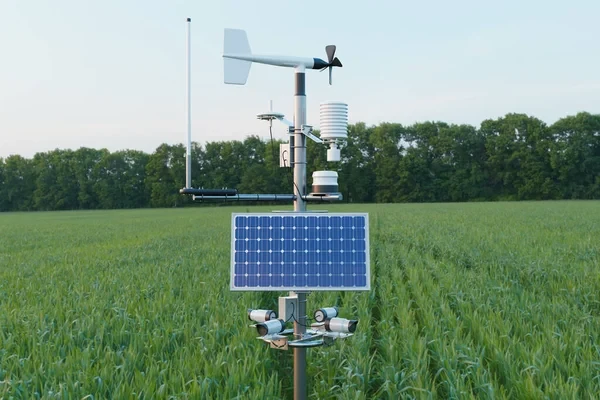
Location sensors help manage weather by being placed across fields. They collect weather data. They use GPS to pinpoint where weather events occur. This helps people make better decisions.
6**Air Flow Sensors**
Airflow sensors measure how air moves into the soil. They measure the pressure needed to add a set volume of air into the soil at a set depth. These sensors can be stationary or mobile, which allows flexible data collection about soil aeration.


**Benefits of Using Agricultural Sensors**
1. **Optimizing Resource Use for Maximum Yield**
Agricultural sensors help farmers grow more crops while using less water, fertilizer, and seed. This ensures efficiency and supports sustainable farming by saving resources.
2. **Ease of Installation and Use**
These sensors are usually easy to install and use. Connected to a central control system, they give farmers easy access to key data. They do this without complex processes.
3. **Remote Monitoring and Management**
Leveraging IoT technology, agricultural sensors can be controlled remotely. This removes the need to manage each sensor by hand. This makes operations simpler while staying effective.
4. **Insights on Pollution and Climate Change**
Beyond checking soil and crops, these sensors can track factors like pollution and climate change. They support sustainable farming by helping make needed changes.
5. **Facilitating Future Planning**
By collecting detailed data, farm sensors help farmers make accurate forecasts and smart choices about crops, fields, and equipment. This helps them plan for future challenges and opportunities with confidence.
**Challenges in Using Agricultural Sensors**
One key challenge is the need for always-on internet to support smart farming and IoT sensors. Many rural farming areas lack reliable internet, which can limit how well these technologies work.
Farmers in remote areas often need tough devices for harsh conditions and trusted IoT partners for steady connectivity. Collaborating with specialized providers like CODA can offer custom connectivity solutions. These solutions help farmers use sensors on farms in rural areas.
**The Role of Sensors in Modern Agriculture**
In summary, farm sensors are vital tools. They gather accurate data on crops, soil conditions, and equipment. They support smart farming by helping farmers check soil pH, moisture, compaction, composition, weeds, and weather.
By using sensors, farmers can make better decisions. They can spot problems early. They can boost yields and use fewer resources. This data-based approach helps them change their plans and supports sustainable farming in the future.
As more farmers use smart agriculture tools, solving connectivity issues is key to wider use and long-term success.