



What is the purpose of a weather station?
A weather station is a device that measures weather conditions. It provides useful data about the local area. It uses many sensors to gather data.
This makes it a key tool for professionals and everyday users. It helps them track and predict weather patterns. It also helps them check air quality.
Meteorology studies the weather. It also checks air quality and measures pollution. It uses these tools to collect and analyze air data.
Weather stations make this process easier. National weather services can use advanced systems. People at home can use smaller models.
**What is a Weather Station?**
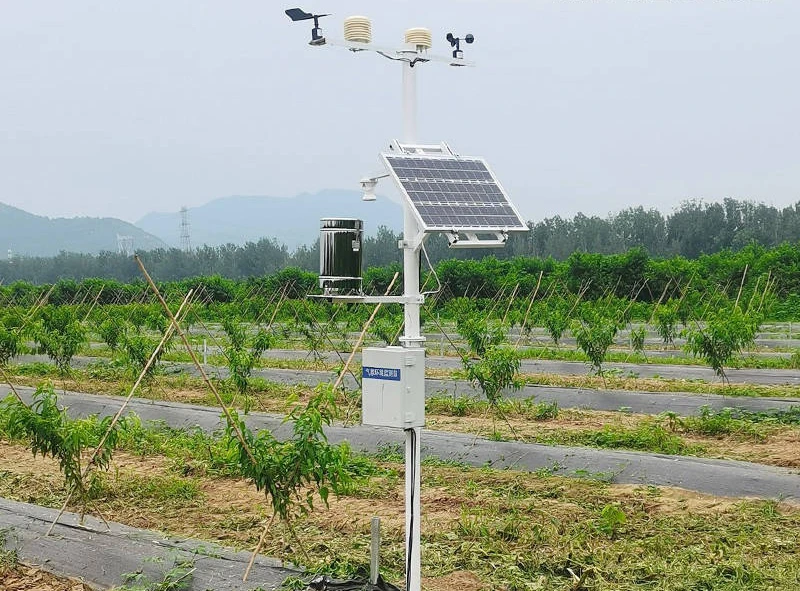
A weather station is a group of sensors. It measures temperature, humidity, air pressure, wind speed, and wind direction.
These devices can be as simple as a household gadget that shows temperature and humidity. They can also be complex systems. They are used for weather forecasts and environmental monitoring.
While meteorological agencies mainly use advanced weather stations, smaller versions are now popular with the public. Modern weather stations often do many jobs. They can work as thermometers, barometers, hygrometers, clocks, and air quality monitors.
Many now have “smart” features that sync data with your phone. This helps users predict the daily weather and track indoor conditions with ease.

**Who Benefits from Using a Weather Station?**
Weather stations are invaluable for a wide range of users. Gardeners, sailors, hikers, farmers, mountain bikers, carpenters, and others who need accurate weather data can benefit. It helps with outdoor activities and work.
Additionally, people who want timely updates to plan their day can find them useful. They can also help those who monitor their home environment.
Household weather stations now often measure indoor air quality, CO2 levels, and humidity. This helps you create a comfortable and healthy home. Whether you want to avoid bad weather or feel more comfortable indoors, a weather station offers useful insights. It helps you anticipate environmental changes.
**The Functions of a Weather Station**
Weather stations measure many variables. These usually fall into two groups: outdoor conditions and indoor air.
*External Variables Monitored by Weather Stations:*
– Outdoor temperature
– Atmospheric pressure
– Wind speed and direction
– Humidity levels (via hygrometer)
– Rainfall amounts (using a rain gauge)
– Precipitation forecasts
– Cloud height and type
– Dew point levels
– Visibility
*Internal Variables Monitored by Weather Stations:*
– Indoor temperature
– Indoor humidity levels
– Air quality metrics
– Pollution levels (e.g., NO2, CO2, fine particles)
– Noise levels
This clear data helps users stay informed about local conditions. It supports proactive steps, like improving home ventilation. Users can plan activities around upcoming weather events, too.
**Modern Smart Weather Stations: A Connected Technology**
Devices like the CODA Smart Weather Station offer more than traditional weather stations with strong connectivity features. These smart systems connect with smartphones and other devices. They provide real-time data on outdoor weather and indoor air conditions.
Smart weather stations give clear details on temperature changes, air quality, and pollution levels. This helps users create healthier homes and prepare for outdoor weather changes. With tools like these, staying informed helps you stay protected.
**Different Types of Weather Stations**
Weather stations come in various types to meet diverse needs. Some key variations include:
– **Wired vs. Wireless:**
Wireless models let you access them from anywhere using a smartphone or other device.
– **Connected vs. Non-connected (smart vs. traditional):** Connected models are part of the growing Internet of Things (IoT). They can connect with other smart home devices.
– **Single-function vs. Multi-function:** Traditional models focus on basic temperature or humidity readings. Modern models offer more features.
When discussing weather stations, we focus on those made for home or business use. These are commercial options, not professional-grade models.
The first step in choosing the right weather station is to identify its purpose. What are your specific needs? Are you looking to track and improve your home’s air quality?
Do you need weather data for sailing or gardening? Perhaps you’re a farmer who needs accurate forecasts. Or maybe you just want reliable weather information. Is it all of the above?
The more you rely on the weather, the more you need an accurate and reliable device. Similarly, if you are worried about air quality, good indoor air quality is important. This is especially true if sensitive people live in your home. Knowing these priorities will help you choose the weather station that best fits your needs.


There are two main types of home weather stations. These are classic stations with sensors and connected, smart stations.
**Classic Weather Stations (with Sensors)**
Classic weather stations are a more basic option. They use sensors to collect data. They display the information in real time on a built-in screen. While these models are affordable and easy to use, their features are usually limited to basic measurements.
**Connected Weather Stations**
Connected weather stations are advanced. They are also smart devices. Like classic devices, they use sensors to collect real-time data. They also send this data to your phone or tablet by Wi-Fi. Additionally, they can combine data from national meteorological services to give a more complete weather forecast.
Although a connected weather station may come with a higher price tag, it offers greater precision, convenience, and versatility.
For those seeking accurate indoor and outdoor measurements or detailed forecasts, this is often the most effective choice.