


Indoor vs. Outdoor Weather Stations: Pros and Cons
Weather stations are useful tools for people who want to know about the weather around them. They help us get real-time data, plan daily activities, and even protect our homes or plants.
There are two main types: indoor weather stations and outdoor weather stations. Each has its own good points and bad points. In this article, we will discuss the pros and cons in simple terms. This way, everyone can understand.

1. What Are Indoor and Outdoor Weather Stations?
First, let’s make sure we know what each type is. An indoor weather station is a device you put inside your home, apartment, or office. It measures things like the temperature, humidity, air quality, and sometimes air pressure inside the building.
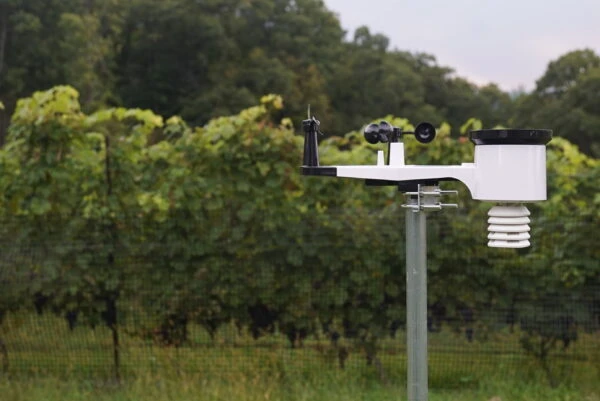
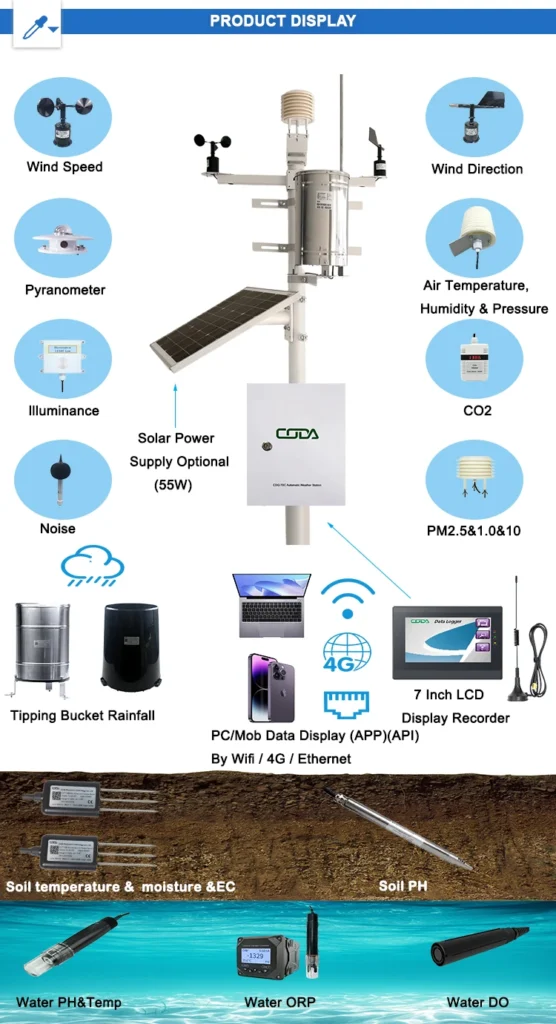
An outdoor weather station is set up outside. It could be in your garden, on the roof, or in the yard. It tracks outdoor conditions such as outdoor temperature, rainfall, wind speed, wind direction, and outdoor humidity. Some weather stations can do both indoor and outdoor measurements, but we will focus on the separate types here.
2. Pros of Indoor Weather Stations
Indoor weather stations have many advantages that make them popular for home use. Let’s look at each one step by step.
2.1 Easy to Install and Use
One of the biggest good points of indoor weather stations is that they are very easy to set up. You don’t need any special tools or skills. Most indoor models just need to be plugged into an electrical outlet or use batteries.
You can put them on a table, shelf, or wall. There is no need to dig holes, fix things to the ground, or climb ladders. This makes them perfect for people who live in apartments, rent their homes, or don’t want to do complicated installation work.
Using them is also simple. Most have clear displays with big numbers, so you can read the data at a glance. Even older people or kids can use them without trouble.
2.2 Safe and Protected
Indoor weather stations are inside your home, so they are safe from bad weather. They don’t have to face rain, snow, strong winds, or extreme heat.
This means they are less likely to break or get damaged. You don’t need to worry about them being stolen. They are safe inside your living space.
Indoor stations are different from outdoor ones. Outdoor stations must be in open areas. Indoor stations are safe because they are protected by walls and roofs. This helps their parts stay in good condition for a longer time.
2.3 Accurate for Indoor Conditions
Indoor weather stations measure the environment inside buildings. They do this very well. They can provide accurate information on indoor temperature. This is important for staying comfortable.
You can choose to turn on the heater, air conditioner, or fan. They also measure indoor humidity, which affects how we feel and the health of our homes.
Too much humidity can cause mold and mildew, while too little can make our skin dry and noses stuffy. Indoor stations can also track air quality, such as the level of dust, pollen, or harmful gases like CO2. This is great for people with allergies, asthma, or those who want to keep their indoor air clean. Since they are close to the areas where we live and breathe, their data is more relevant for our daily comfort and health.
2.4 No Maintenance Troubles
Indoor weather stations need very little upkeep. You don’t need to clean them often. They are not exposed to dirt, leaves, or other outdoor mess. You don’t need to check for water damage, rust, or wear and tear from the elements.
Most indoor models use batteries that last for months or even years. They can also be plugged in, so you don’t have to change batteries often.
You also don’t have to worry about calibrating them often—they stay accurate on their own. This saves you time and effort. Outdoor stations need regular checks and care.
2.5 Compact and Space-Saving
Most indoor weather stations are small and compact. They don’t take up much space, so you can put them anywhere in your home without making it look cluttered. Some models are made to be mounted on the wall. This helps save space on tables or shelves.
This is great for people who live in small apartments or have little space. Their small size makes them easy to move.
You can check the temperature in your bedroom one day. The next day, you can check it in your living room. Just pick up the station and move it easily.


3. Cons of Indoor Weather Stations
While indoor weather stations are great for indoor use, they have some limitations. Let’s talk about the bad points.
3.1 Can’t Measure Outdoor Conditions
The biggest downside of indoor weather stations is that they can’t measure outdoor weather. If you want to know if it will rain, how windy it is, or the outdoor temperature, an indoor station won’t help you. You still need to check a weather app, a TV forecast, or an outdoor station for that information.
This means you only see the weather inside your home. You don’t get the full picture of what’s happening outside. For people who love gardening, hiking, or spending time outdoors, this is a big problem. They need outdoor data to plan their activities, and an indoor station can’t provide that.
3.2 Limited Data Range
Indoor weather stations only measure a few things. They look at temperature, humidity, air quality, and sometimes air pressure. They can’t track rainfall, wind speed, wind direction, UV index, or other outdoor-related data.
Some basic indoor models may not measure air quality. They only track temperature and humidity. So if you need more detailed information, an indoor station might not be enough. For example, if you want to know how much rain fell in your garden, or how strong the wind is, you have to get an outdoor station instead.
3.3 Affected by Indoor Factors
Indoor weather stations can be influenced by things in your home. This can sometimes make their data less accurate. For example, if you place the station next to a heater, air conditioner, or window, the temperature reading might be wrong.
A station near a kitchen stove might show higher humidity when you’re cooking. A station next to a door that’s often open might get confused by outdoor air coming in.
So you have to be careful where you place it—if you don’t put it in a central, neutral spot, the data might not be reliable. This is a problem because some people may not know where to place it. This can lead to wrong readings.
3.4 Not Useful for Outdoor Activities
Indoor weather stations are meant for indoor use only. They can’t help you prepare for outdoor activities. If you plan to have a picnic, go for a walk, or ride a bike, check the outdoor temperature. Also, look at the chance of rain and the wind conditions.
An indoor station can’t give you that, so you have to rely on other sources. Indoor stations are less versatile than outdoor ones. Outdoor stations can provide data for both indoor and outdoor use if they have an indoor sensor.
3.5 Basic Models Lack Advanced Features
Many indoor weather stations are basic models. They don’t have advanced features like Wi-Fi connectivity, data logging, or smartphone apps. This means you can’t check the data remotely—you have to be at home to see it.
You also cannot save the data over time to see trends. For example, you can’t track how humidity in your home changes during the year. Advanced outdoor stations often have these features, but basic indoor ones don’t.
If you want to track data over time or access it from your phone, you may need to buy a pricier indoor station. This can go against the goal of getting a simple and affordable one.
4. Pros of Outdoor Weather Stations
Outdoor weather stations measure the weather outside. They offer many benefits for people who need this data. Let’s explore their good points.
4.1 Measure a Wide Range of Outdoor Data
The biggest advantage of outdoor weather stations is that they can measure a lot of different outdoor conditions. Most models track outdoor temperature, humidity, rainfall, wind speed, and wind direction. Some advanced ones also measure UV index, solar radiation, barometric pressure, and even soil moisture. This gives you a complete picture of the weather in your area.
For example, if you are a gardener, you can check the rain. This will help you know if you need to water your plants. If you like hiking, you can check the wind speed and temperature to prepare for your trip.
If you’re worried about UV rays, you can check the UV index to know when to wear sunscreen. This wide range of data makes outdoor stations very helpful. They are great for people who spend time outside or need to check outdoor conditions for work or hobbies.
4.2 Accurate for Local Outdoor Conditions
Weather apps and TV forecasts provide general weather information for your city or area. However, outdoor weather stations offer data for your exact location. For example, the forecast may say it’s 25°C in your city. However, if you live in a valley or near a lake, the temperature in your yard could be different.
An outdoor station measures the weather right where you are, so the data is more accurate and relevant. This is very helpful for people who live in areas with microclimates.
These are small areas where the weather is different from the nearby region. For example, if you live on a hill, the wind speed might be higher than in the rest of the city. An outdoor station can capture that, while a forecast can’t.
4.3 Help Plan Outdoor Activities
Outdoor weather stations help you plan your outdoor activities better. You can check the real-time data to decide if it’s a good day for gardening, hiking, fishing, or having a picnic. You can track trends over time. For example, if it usually rains in the afternoon during summer, plan your activities for the morning.
If you’re a farmer or gardener, you can use the data to decide when to plant, water, or harvest your crops. If you have a pool, you can check the temperature to know if it’s good for swimming. This makes outdoor stations very valuable for people who rely on good weather for their daily activities.
4.4 Advanced Features for Data Tracking
Many outdoor weather stations have advanced features that make them even more useful. Most modern models have Wi-Fi. This lets you check data on your smartphone, tablet, or computer, even when you are away from home.
You can log data over time. This helps you track trends, like how temperature changes each year or how much rain falls each month. Some stations can send you alerts. For example, they can warn you if the wind speed is too high or if it starts to rain.
This helps you stay safe and ready. Advanced models have solar panels, so you don’t need to change batteries often. These features make outdoor stations useful and easy to use.
4.5 Useful for Home Protection
Outdoor weather stations can help you protect your home. For example, if you get an alert about strong winds, you can secure your patio furniture.
You should also close your windows and protect your plants. If you know it will rain a lot, you can clean your gutters. This helps stop water damage.
If the temperature is going to drop below freezing, you can protect your pipes from bursting. This can save you money on home repairs and keep your property safe. For people living in places with extreme weather, outdoor stations are very important. They can provide early warnings to help you prepare.

5. Cons of Outdoor Weather Stations
Despite their many advantages, outdoor weather stations also have some drawbacks. Let’s talk about their bad points.
5.1 Difficult to Install
Putting up an outdoor weather station is harder than setting up an indoor one. You need to find a good location—somewhere open, away from buildings, trees, and other obstacles.
The sensor needs to be at least 1.5 meters above the ground to get accurate readings. You may need to put it on a pole. This means digging a hole and securing the pole in the ground.
If you want to mount it on the roof, you need to climb a ladder, which can be dangerous. Make sure the station is level and facing the right way for wind sensors.
This installation process can take time and effort. You may need help from someone else. If you rent your home, you might not be allowed to drill holes or install poles, so you can’t use an outdoor station.
5.2 Exposed to Damage and Theft
Outdoor weather stations are exposed to bad weather and other outdoor elements. They have to face rain, snow, strong winds, extreme heat, and cold. This can damage the sensors and other parts over time. For example, rain can get into the sensor and cause rust or electrical problems.
Strong winds can blow the station over or break the wind sensor. Extreme heat can melt plastic parts, and extreme cold can freeze the sensors. Outdoor stations are also at risk of being stolen, especially if they are placed in a visible location. You might need to buy a lock or hide the station to prevent theft, which adds extra cost and effort.
5.3 Require Regular Maintenance
Outdoor weather stations need regular care to stay accurate and functional. You need to clean the sensors regularly. Leaves, dirt, and debris can block the rain gauge or wind sensor.
This can cause incorrect readings. You need to check for rust, water damage, or wear and tear, especially after bad weather.
You might need to calibrate the sensors from time to time to keep them accurate. If the station runs on batteries, you have to replace them regularly—usually every few months.
If it has a solar panel, you should clean it. This helps the panel get enough sunlight. This maintenance takes time and effort. If you forget to do it, the station may stop working or give wrong data.
5.4 Affected by Environmental Obstacles
Even if you set up an outdoor weather station correctly, it can still be affected by things around it. For example, if you put it too close to a building, the wind speed readings may be lower than the real wind speed. If it’s near a tree, the tree might block the rain, leading to inaccurate rainfall readings.
If it’s near a road or a concrete surface, the temperature readings might be higher (because concrete absorbs heat). This means you have to choose the location very carefully, and even then, the data might not be 100% accurate. Indoor stations don’t have this problem, because they are not exposed to these outdoor obstacles.
Conclusion
In conclusion, both indoor and outdoor weather stations have their own pros and cons. Indoor stations are easy to use, affordable, and great for monitoring indoor comfort and air quality. They require little maintenance and are safe from the elements. However, they can’t measure outdoor conditions and have limited features.
Outdoor stations, on the other hand, provide a wide range of outdoor data, are accurate for local conditions, and help plan outdoor activities and protect your home. But they are more expensive, difficult to install, and require regular maintenance.