


How Noise Sensors Work and Their Importance
In our busy world, noise pollution is a growing concern. It harms the health and well-being of millions worldwide. Noise sensors have emerged as vital tools to tackle the challenges posed by excessive sound.
These devices are now essential in many places. They are used in cities, industrial sites, and homes. They help keep spaces safer and more comfortable.
By measuring sound levels, noise sensors help manage the environment. They can also respond when needed to make spaces safer. This improves living conditions. As awareness of the harmful effects of noise pollution grows, the importance of noise sensors in daily life is clear.
Understanding Noise Sensors
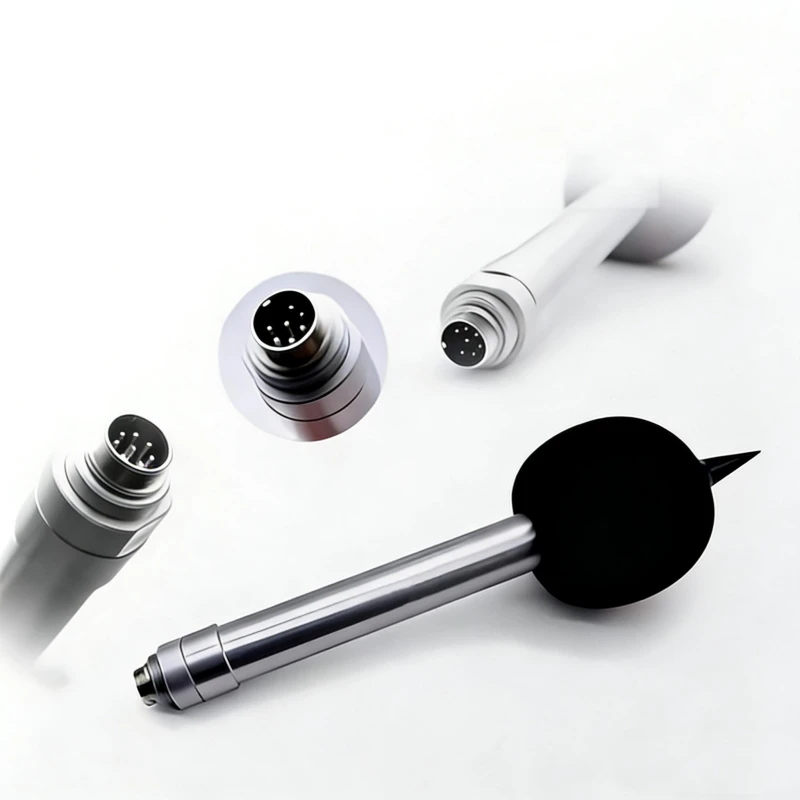
Noise sensors are special devices. They detect and measure sound levels in specific surroundings. They offer useful insights into acoustic conditions.
And they highlight areas that may need sound control or less noise exposure. There are different types of noise sensors. Each type is designed for a specific use.
Piezoelectric Sensors: These sensors change strain from sound waves into electrical signals.
Known for being simple and efficient, they are often used in portable noise meters.
– **Capacitive Sensors**: Sound waves change capacitance in these sensors, making them ideal for low-frequency uses. They are often used in environmental monitoring systems.

The Functioning of Noise Sensors
Noise sensors use a clear process to measure sound levels. Below is a simple workflow that explains how they work.
1. **Sound Detection**:
The sensor’s microphone or piezoelectric part detects sound waves and captures the matching pressure changes.
2. **Signal Amplification**:
Weak sound signals are amplified to improve accuracy. This helps detect small noise level changes. It supports timely and effective action.
3. **Filtering**:
Filters in the sensor remove unwanted sounds. They isolate the noise being monitored for accurate data output.
4. **Analog-to-Digital Conversion**:
After filtering, an Analog-to-Digital Converter (ADC) converts the analog signal into digital form. This step makes processing easier and supports transfer to central monitoring systems.
5. **Data Processing**:
The digital output is analyzed to create clear readings for further interpretation or use in automated control systems. These analyses can include averaging values over time. They can also compare values with predefined thresholds.
Applications and Advantages of Noise Sensors
Noise sensors have many uses in different industries. They help improve living and working conditions.
– **Urban Development**: In cities, noise sensors measure sound in neighborhoods, public spaces, and transit hubs. They help planners build quieter communities that support well-being.
– **Healthcare**: Hospitals benefit from noise sensors, which help keep spaces calm for patient recovery and staff productivity.
– **Education**: Schools use these sensors to track and lower disruptive noise. This helps students focus better.
– **Industrial Safety**: Factories use noise sensors to find spots with unsafe sound levels. This helps protect workers from long-term hearing damage and health risks.
– **Smart Homes**: In home automation, noise sensors adjust lights and other connected devices based on sound levels. This improves convenience and energy efficiency.
Real-Life Examples of Noise Sensor Impact
Several case studies show the clear benefits of noise sensors in real-world situations:
– **Educational Settings**: A school in a busy city installed noise sensors in classrooms and hallways. They monitor sound levels all the time. By linking these devices to a smart system, it improved learning conditions. It adjusted announcement volume and HVAC settings based on current noise levels.
– **Healthcare Facilities**: In a hospital ward with repeated high noise during busy times, well-placed noise sensors found problem areas. Solutions like moving equipment and improving space layouts created quieter, more patient-friendly surroundings.
Comparative Analysis: Pros and Cons
When assessing noise sensors alongside other monitoring tools, such as temperature or light sensors, consider their main advantages and limitations.
– Pros:
– Accuracy: Noise sensors are great at detecting and measuring sound levels with high accuracy. They provide reliable data for deeper analysis.
– Versatility: They serve many purposes, from urban planning to meeting industrial safety standards.
– Easy Integration: Noise sensors can easily connect to IoT platforms and AI systems. This improves both features and day-to-day efficiency.
– Cons:
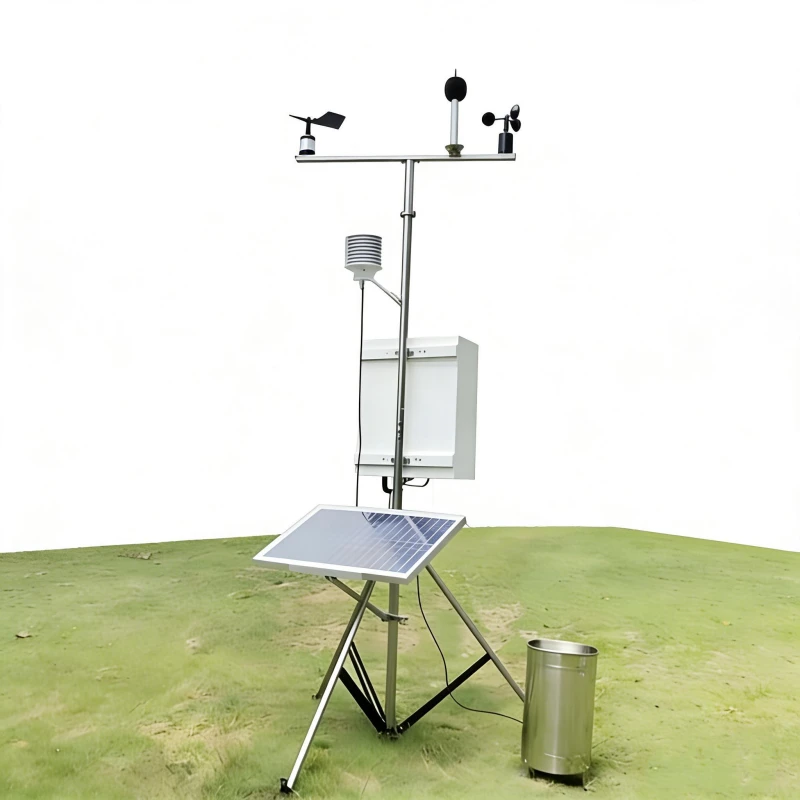
– Environmental Impact: Factors like humidity, temperature, and wind can affect noise sensors’ performance and accuracy.
– Maintenance Needs: Regular checks and upkeep are key for accuracy. If you neglect them, you may get wrong data. This can also reduce effectiveness.
Technological Influence on Noise Control Strategies
Noise sensor technology is evolving. It is changing how we manage noise. By using smart systems, IoT links, and new AI tools, we are changing how we solve acoustic issues:
– Smart Sensor Integration: IoT platforms collect and analyze noise data in real time from many sensors. This gives a clear view of the acoustic landscape. This information can automate actions like adjusting HVAC or lighting systems. This helps reduce noise impacts.
– AI and Machine Learning Applications: AI-driven algorithms can process large datasets to find patterns and trends. These may be hard for people to spot. This capability helps predict noise levels and take preventive steps before they become serious issues.
– Advancements in Research: Current research aims to make noise sensors tougher and cheaper. It also improves data-processing algorithms to boost accuracy. Future innovations will likely include sensors that detect and respond to specific types of noise. This will expand their uses in many sectors.