


Field Weather Stations: Essential Tools for Real-Time Weather Monitoring
Weather is very important in our daily lives. It also matters a lot in many industries. A Field Weather Station is a helpful tool. It gathers and keeps track of weather data. This gives you accurate and timely weather information.
This article explores what field weather stations are, how they work, and their many uses in different industries.
What is a Field Weather Station?
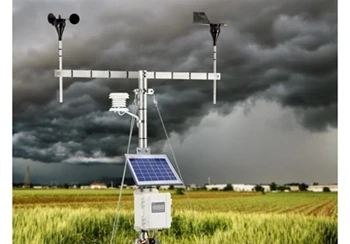
A Field Weather Station is a special device. It monitors and records different weather conditions. These include temperature, humidity, wind speed, wind direction, and air pressure.
It uses advanced sensors to track weather elements in real-time. Then, it sends the collected data to a central unit. This data is analyzed to make accurate weather reports.

How Field Weather Stations Work
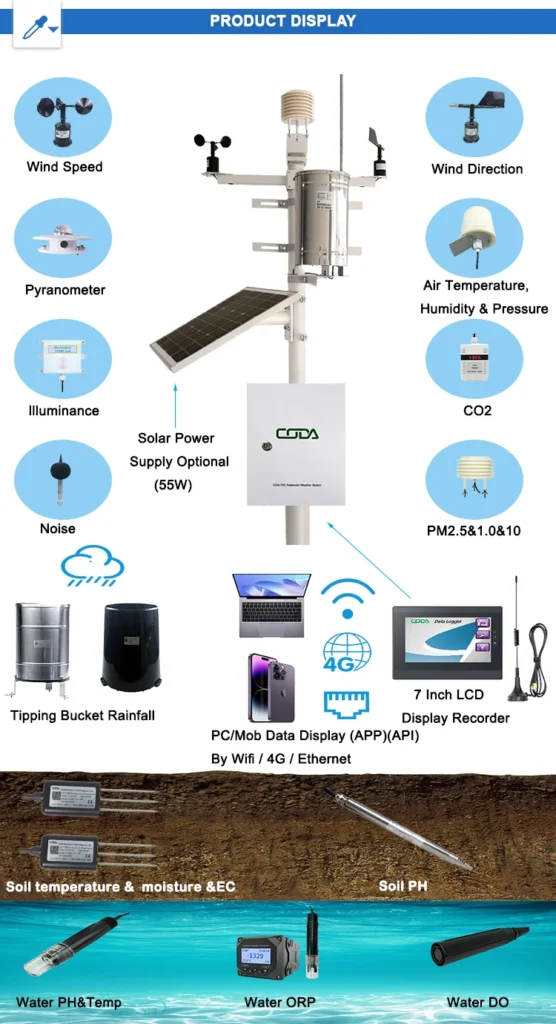
Field Weather Stations work using sensor technology and modern data communication. Sensors constantly collect weather data and change it into electrical signals. These signals are sent to a central processing unit. They can be sent through wired or wireless transmission for analysis.
After processing, reliable weather reports are produced. Many stations use GPS to find exact locati0n data. This helps compare and adjust readings from other monitoring stations, improving their accuracy.
Applications and Importance of Field Weather Stations
1. Agriculture:
This sector relies heavily on the weather. It benefits a lot from real-time weather updates from Field Weather Stations. Farmers can use this data to improve their irrigation schedules.
They can also find the best times to plant. This helps them manage pests on time. These actions lead to better yields and use resources more efficiently.
2. Aviation and Maritime:
Accurate weather forecasts are very important for the safety of flying and shipping operations. Field Weather Stations provide key information such as wind speed, direction, and air pressure. This helps flight crews and navigators see and avoid bad weather. As a result, it makes travel safer.
3. Construction Industry:
Weather affects construction work in many ways. It can change how fast projects move and the quality of structures.
Data from Field Weather Stations, such as temperature, humidity, and rainfall, helps project managers change schedules. This helps them take steps to protect themselves. As a result, projects run better and are more successful.
4. Meteorological Research:
Data from Field Weather Stations is very helpful for scientific work in meteorology. Researchers use this information to test models and study the climate. This helps us understand weather patterns more clearly. It helps support worldwide efforts for sustainable development.


Conclusion
Field Weather Stations are important tools for tracking and understanding weather data in real time. These stations use new technology. They assist in many fields such as farming, flying, sea safety, building, and weather studies.
Field Weather Stations offer useful insights and tools to reduce risks. They help create new ideas and support good choices. This helps both industries and communities.