


What is the Difference Between a CO2 Sensor and an Air Quality Sensor?
In today’s world, maintaining the quality of the air we breathe has become more important than ever. Concerns about pollution, indoor air quality, and the health of our environment have increased a lot. It is important to know the tools that track these factors. This knowledge helps solve these challenges effectively.
Two such tools, CO2 sensors and air quality sensors, play essential yet different roles. This article looks at the differences between these devices. It talks about their roles, uses, and importance in making healthier environments.
To understand how CO2 sensors are different from air quality sensors, we need to look at their purposes. We also need to look at their technologies and roles in air monitoring.
Understanding CO2 Sensors
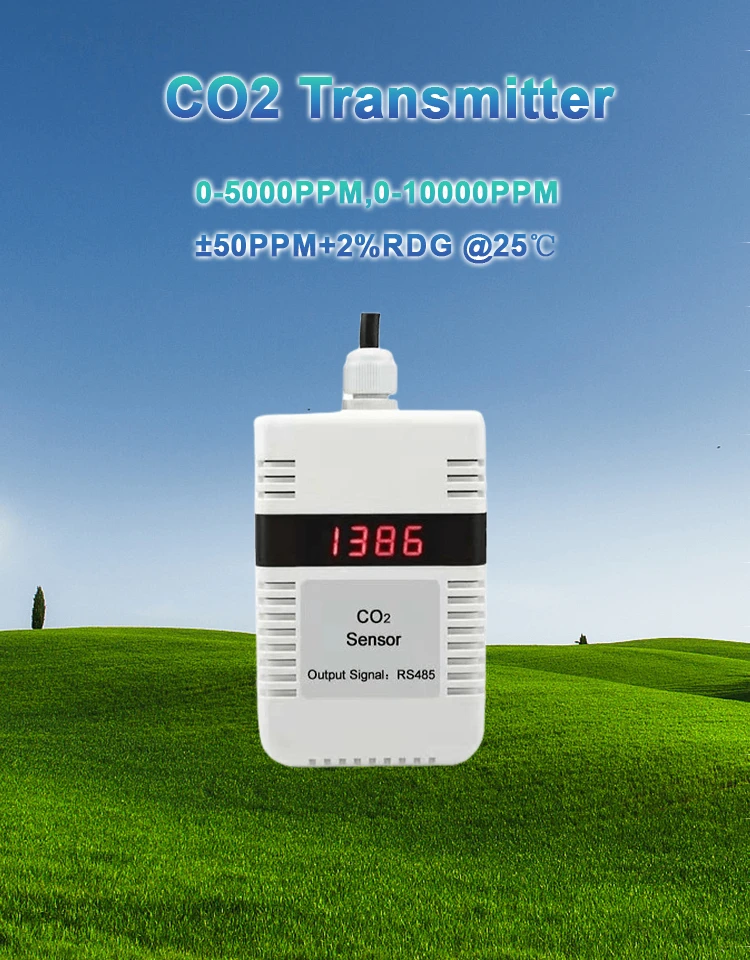
CO2 sensors are special tools that measure the amount of carbon dioxide in the air. They are important in places where tracking CO2 levels is needed. This includes labs, greenhouses, and many industrial sites.
These sensors are made to detect changes in carbon dioxide levels. They are often used to check how well air is moving in places like schools, offices, and homes.
The underlying technology of most CO2 sensors relies on infrared (IR) sensing. This works by looking at how much light passes through an air sample. It measures how much CO2 molecules absorb at certain wavelengths.
The decrease in light intensity helps the sensor measure the amount of carbon dioxide in the air accurately. Many CO2 sensors can give real-time data. This helps to monitor air conditions continuously.
A main use of CO2 sensors is to make buildings more energy efficient. These sensors measure CO2 levels. They can change ventilation rates in heating, ventilation, and air conditioning (HVAC) systems.
This keeps indoor air fresh and saves energy. Higher CO2 levels can show poor ventilation or more people in a space. This can help HVAC systems boost airflow. This helps improve indoor air quality.
CO2 sensors are important for more than just indoor spaces. They help address bigger environmental problems, like climate change. Carbon dioxide is a key greenhouse gas that helps cause global warming.
Keeping track of outdoor CO2 levels helps create plans to reduce emissions. It also guides environmental policies. Industries such as fossil fuel production rely on these sensors to follow rules and protect the environment. They help track emissions output.
CO2 sensors are essential for managing air quality indoors and outdoors. They provide important information that helps improve health, comfort, energy use, and environmental sustainability.

Exploring Air Quality Sensors
Air quality sensors can detect CO2. However, they are mainly made to monitor many other pollutants. These devices measure different types of particles, volatile organic compounds (VOCs), and gases.
These gases include ozone, nitrogen dioxide, sulfur dioxide, and carbon dioxide. They provide a wide view of air quality. They cover many pollutants that can affect health and the environment.
The technology employed in these sensors varies based on the specific pollutants they are meant to measure. Commonly used technologies include electrochemical cells, metal oxide semiconductors, and laser-based detection systems.
Laser sensors find tiny particles by looking at how they scatter light. These advanced technologies allow for accurate air quality monitoring in real-time. They help find sources and patterns of pollution.
Air quality sensors are very important for public health and monitoring the environment. Urban areas use these sensors in many places. They track pollution levels and respond to spikes.
They also issue alerts and take action. During wildfires, these sensors give important information about dangerous air conditions. This helps the public take needed precautions.
Many people are using home air quality sensors to check the air inside their homes. These devices can find problems like mold spores, allergens, and other airborne irritants.
This helps homeowners make their living spaces safer and healthier. They often work with smart home systems. This helps automate actions, like turning on air purifiers when pollution levels are too high.
Air quality sensors are useful tools. They provide important information about indoor and outdoor air conditions. They help protect health, raise awareness about pollution, and encourage actions for cleaner air.
The Importance of Monitoring Air Quality
Keeping the air clean is essential for good health and well-being. CO2 sensors and air quality sensors help us understand how air affects us. They focus on different parts of this complex issue.
Poor air quality is a big health concern. It can cause breathing problems, heart diseases, and issues with thinking. High CO2 levels in closed spaces can cause “sick building syndrome.” This can lead to discomfort and health problems.
It is very important to monitor CO2 levels indoors. People spend most of their time inside. High levels of CO2 can hurt thinking skills, make you feel tired, and cause sleepiness. Using CO2 sensors to improve ventilation can make indoor spaces healthier and better for productivity.
Air quality sensors take this a step further by providing an expansive view of the environment’s condition. They can find harmful pollutants even in small amounts. This includes fine particles that can go deep into the lungs and enter the blood. As cities grow and industries expand, the need for thorough air quality monitoring becomes much more important.
This type of monitoring is important for smart city planning and sustainability efforts. Cities can use sensor data to create better plans. This can lead to greener infrastructure, better public transport, and more green spaces. These actions lower pollution and help residents live healthier lives.
In conclusion, the role of both CO2 and air quality sensors is indispensable in addressing air pollution challenges. These tools provide the data we need to make living conditions better. They help create healthier places. They also support our shared goal of cleaner air for future generations.
Key Differences Between CO2 Sensors and Air Quality Sensors
CO2 sensors and air quality sensors may look alike, but they have different purposes and measure different things. CO2 sensors are special devices that only detect carbon dioxide levels.
Air quality sensors check many pollutants. These include volatile organic compounds (VOCs), particulate matter, and other harmful gases. This gives a wider view of air quality.
Their uses show these differences more clearly. CO2 sensors are often used in places where monitoring carbon dioxide is important. This includes greenhouses, HVAC systems, and classrooms. In these areas, CO2 levels impact health, safety, and energy use.
Air quality sensors are used in many places. They can be found in cities, outdoor areas, and factories. These sensors help measure air quality and find different pollutants.
The underlying technology of these devices also varies. CO2 sensors mainly use infrared technology. They measure carbon dioxide levels by checking how much light it absorbs at certain wavelengths.
Air quality sensors often use different technologies. They may use electrochemical detection for gases or laser-based sensors to measure particle levels. These differences highlight their unique roles in tackling specific environmental problems.
Another important difference is in how well they can integrate. Air quality sensors usually have advanced networking features. These help them send data over large networks or connect to big environmental monitoring systems.
On the other hand, CO2 sensors usually work alone. They focus only on measuring carbon dioxide levels. Both technologies can work together to create better air quality management solutions, despite their differences.
The way these sensors are used depends on the situation they are in. Outdoor air quality sensors face changing environmental factors that can affect their readings.
In indoor spaces, CO2 sensors are often influenced by room occupancy and ventilation rates. It is important to understand these details to choose the right sensor technology for your needs.


The Future of Air Quality Monitoring Technologies
New technology is making air quality monitoring better. We see improvements in smaller devices, better connections, and the use of artificial intelligence. These innovations will improve the accuracy, usability, and accessibility of air quality monitoring systems in many places.
A major trend in this area is using Internet of Things (IoT) technology in air quality sensors. Connecting these devices to networks allows for real-time data collection and reporting. This helps people and organizations make quick, informed decisions about air quality threats. For instance, in smart homes, air quality sensors can automatically activate air purifiers to maintain healthy living conditions seamlessly.
Machine learning and data analytics are changing how we understand air quality data. Advanced algorithms are now analyzing large datasets.
This makes it easier to predict pollution trends and find sources of contamination. These insights help create strategies and offer useful data for public health recommendations. They aim to reduce environmental risks.
Collaboration is very important for improving air quality monitoring in the future. Governments, businesses, and organizations are working together.
They want to create strong monitoring networks that provide good data. This team effort helps create better environmental rules. It also boosts efforts to improve public health around the world.
In today’s world, we face many climate challenges. It is crucial to focus on new ways to monitor air quality. By using better tools, like CO2 sensors or air quality sensors, we can protect human health and the environment.
Knowing the differences between CO2 sensors and air quality sensors is important for cleaner air and healthier living. CO2 sensors are great for checking carbon dioxide levels. However, air quality sensors provide a broader view of environmental pollutants.
Together, these technologies serve as key pillars in our efforts toward advancing health, safety, and sustainability. The future will have better technology. This will help us manage the air we breathe more effectively.